
The Silent Epidemic: A National Burden on Bones and Joints
As India grapples with a burgeoning public health crisis of musculoskeletal disorders, often silently eroding the quality of life for millions, a critical yet frequently overlooked aspect of preventative care is emerging: the strategic role of everyday beverages. From the calcium-rich staples to antioxidant-packed infusions, what we drink can significantly bolster bone density and joint resilience, offering a proactive defense against debilitating conditions like osteoporosis and arthritis that are increasingly affecting younger demographics.
The statistics paint a grim picture. According to various medical studies and public health surveys, an estimated 20-25% of the Indian population suffers from some form of musculoskeletal condition, with projections indicating a substantial increase due to an ageing population and changing lifestyles. Osteoporosis, characterized by brittle bones, affects approximately 50 million people in India, with one in eight men and one in three women over 50 years of age being osteoporotic. Arthritis, encompassing over 100 different conditions, is similarly pervasive, causing chronic pain, stiffness, and reduced mobility for a significant segment of the populace. The economic burden is staggering, encompassing direct medical costs for treatments, surgeries like joint replacements, and indirect costs from lost productivity and long-term care.
While factors such as genetics, physical activity, and overall diet are well-acknowledged, the specific contribution of daily fluid intake often remains underexamined. However, leading medical and nutritional experts are increasingly emphasizing the pivotal role of certain beverages in maintaining skeletal integrity and joint lubrication, thereby mitigating the risk and progression of these widespread ailments.
Beverages: A Potent Ally in Musculoskeletal Health
Integrating specific drinks into one's daily routine can provide essential nutrients and compounds crucial for bone and joint health. This isn't merely about hydration; it's about targeted nutritional support.
Dairy and Fortified Alternatives: The Calcium Cornerstone
- Milk: Universally recognized for its high calcium content, milk remains a primary source for bone mineralization. A single glass of milk can provide a significant portion of the daily recommended calcium intake, which is typically 1000-1200 mg for adults. Beyond calcium, milk also offers phosphorus, potassium, and protein, all vital for bone health.
- Fortified Plant-Based Milks: For individuals with lactose intolerance or those adhering to vegan diets, fortified almond, soy, oat, or rice milks present excellent alternatives. These are often enriched with calcium and, crucially, Vitamin D, which is indispensable for calcium absorption in the gut and its subsequent integration into bone tissue.
"Calcium and Vitamin D work in tandem like a lock and key for bone health," explains Dr. Anjali Sharma, a leading nutritionist based in Mumbai. "Without adequate Vitamin D, even a high calcium intake may not translate into strong bones, making fortified beverages a strategic choice for many."
The Hydration Imperative: Water's Unsung Role
Often overlooked in specialized health discussions, plain water is arguably the most fundamental drink for joint health. Cartilage, the flexible connective tissue cushioning joints, is composed of nearly 80% water. Adequate hydration ensures that cartilage remains supple and resilient, preventing friction and wear. Furthermore, water is a key component of synovial fluid, the viscous liquid that lubricates joints and reduces friction between articular cartilages. Dehydration can lead to reduced synovial fluid volume, increasing joint stiffness and pain.
Green Tea: An Anti-Inflammatory Elixir
Beyond its reputation as a metabolism booster, green tea offers significant benefits for joint health due to its rich concentration of antioxidants, particularly polyphenols and catechins like epigallocatechin gallate (EGCG). These compounds possess powerful anti-inflammatory properties that can help reduce joint pain and swelling associated with conditions like rheumatoid arthritis and osteoarthritis. Research suggests EGCG may inhibit enzymes that degrade cartilage, thereby protecting joint structures.
Targeted Juices and Smoothies: Nutrient Powerhouses
- Tart Cherry Juice: Emerging as a popular choice, tart cherry juice is lauded for its anti-inflammatory and antioxidant properties, attributed to anthocyanins. Studies have indicated its potential to reduce muscle soreness and inflammation, benefiting individuals with arthritis and those recovering from strenuous physical activity.
- Orange Juice (Fortified): While fresh orange juice provides Vitamin C, crucial for collagen synthesis – a primary component of cartilage and connective tissues – fortified versions often include Vitamin D and calcium, offering a triple benefit for bone and joint health. However, moderation is key due to natural sugar content.
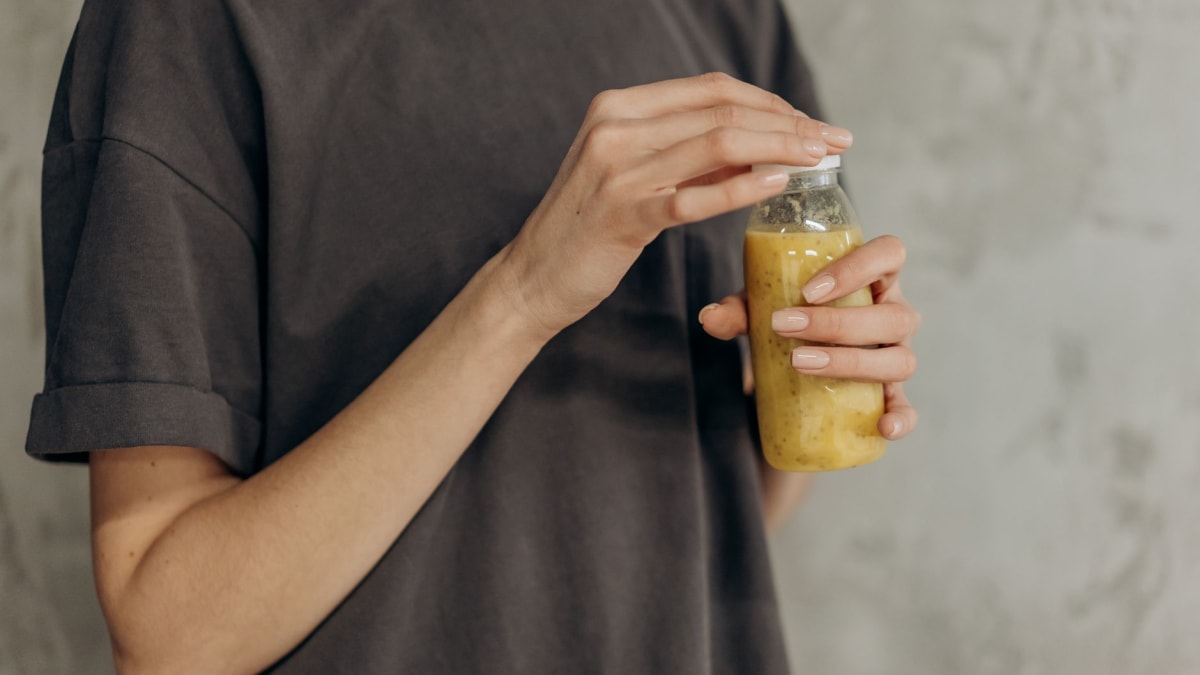
- Vegetable Juices & Smoothies: Blends incorporating dark leafy greens (spinach, kale), carrots, and other nutrient-dense vegetables can deliver a spectrum of vitamins (K, C), minerals (magnesium, potassium), and antioxidants. These nutrients collectively support bone density and reduce systemic inflammation. A smoothie with spinach, banana, fortified milk, and a scoop of protein powder can be a comprehensive bone and joint booster.
Beyond the Glass: A Holistic Approach to Joint and Bone Fortification
While specific beverages offer targeted support, experts uniformly stress that they are part of a larger, holistic strategy for musculoskeletal health. "Relying solely on drinks, however beneficial, is insufficient," states Dr. Rajesh Kumar, a leading orthopedic surgeon in Delhi. "A balanced diet rich in whole foods, regular weight-bearing exercise, maintaining a healthy body weight, and avoiding detrimental habits like smoking are equally, if not more, critical."
Key Dietary Components to Complement Beverages:
- Magnesium: Found in nuts, seeds, whole grains, and leafy greens, magnesium plays a vital role in calcium absorption and bone formation.
- Vitamin K: Essential for bone mineralization and regulating calcium in the body, abundant in green leafy vegetables.
- Omega-3 Fatty Acids: Present in fatty fish (salmon, mackerel), flaxseeds, and walnuts, these are potent anti-inflammatory agents beneficial for joint health.
Expert Consensus and Public Health Imperatives
Public health initiatives are increasingly focusing on dietary interventions to combat the rising tide of bone and joint disorders. The Indian Council of Medical Research (ICMR) and other health bodies regularly update dietary guidelines that emphasize adequate calcium and Vitamin D intake. Fortification programs for milk and other staples are crucial policy levers to address widespread deficiencies, particularly in Vitamin D, which is prevalent even in a sun-rich country like India due to lifestyle changes and limited sun exposure.
"Educating the public about the cumulative impact of daily dietary choices, including beverages, is paramount," asserts a spokesperson from the Ministry of Health and Family Welfare. "Simple, actionable advice can empower individuals to take charge of their bone and joint health from an early age, reducing the burden on our healthcare system in the long run."
The message is clear: proactive engagement with one's diet, particularly the often-overlooked liquid components, offers a powerful, accessible pathway to fortifying bones and joints. As India navigates its demographic transition and the associated health challenges, embracing these simple yet profound dietary adjustments can significantly enhance the nation's collective musculoskeletal well-being.
Frequently Asked Questions
Related Articles



Latest Articles

Trump, Tech Giants Ink Voluntary AI Pact Amid Glob...
Oct 01, 2026
Khanna Targets 'Recursive' AI with Landmark Safety...
Oct 01, 2026
Election Commission–SIR Row: INDIA Bloc Announces...
Oct 01, 2026
WHO Unveils Critical Global Guidance to Combat Hea...
Oct 01, 2026
Comments (0)
Leave a Comment
No comments yet. Be the first to comment!