

Congressman Ro Khanna to Introduce Landmark AI Safety Bill Targeting 'Recursive' Technology
Washington D.C. – Representative Ro Khanna (D-CA) is poised to introduce a groundbreaking artificial intelligence safety bill in the U.S. Congress, aiming to impose a temporary ban on 'recursive' AI technologies until comprehensive safeguards are developed and implemented. The proposed legislation, sourced from reports, marks a significant federal intervention into the rapidly evolving AI landscape, reflecting escalating anxieties over the potential for autonomous, self-improving systems to pose unforeseen societal and national security risks.
The Urgency Behind Regulating Recursive AI
The term 'recursive AI' refers to advanced artificial intelligence systems capable of self-modification, self-improvement, and autonomous decision-making without continuous human oversight. Unlike conventional AI, which operates within predefined parameters, recursive AI could theoretically evolve its own goals and methods, leading to unpredictable outcomes. Experts across the tech spectrum, from academics to industry leaders, have increasingly voiced concerns about the 'black box' nature and potential for unintended consequences inherent in such advanced systems.
- Unpredictability: Recursive AI's ability to alter its own code and learning processes makes its future behavior difficult, if not impossible, to predict.
- Autonomous Decision-Making: The potential for these systems to make critical decisions without human intervention raises profound ethical and safety questions.
- Existential Risk: Some prominent figures, including AI pioneers, have warned about the long-term existential risks if superintelligent recursive AI were to develop misaligned goals.
Policy Implications and the Path to Safeguards
Khanna's bill seeks to establish a clear framework for responsible AI development, prioritizing safety over unbridled innovation in this specific, high-risk domain. The proposed ban would remain in effect until a designated federal body, likely in collaboration with scientific and ethical experts, certifies the existence of adequate safeguards. These safeguards could encompass a range of measures:
- Robust Auditing Mechanisms: Mandatory, independent audits of AI models and their development processes.
- Transparency Requirements: Greater insight into how AI systems make decisions and learn.
- 'Kill Switches' and Control Protocols: Mechanisms to safely shut down or override autonomous AI systems if they deviate from intended parameters.
- Ethical Guidelines and Accountability Frameworks: Clear legal and ethical responsibilities for developers and deployers of advanced AI.
The legislation is expected to ignite a vigorous debate within Congress and the tech industry. While proponents of the bill emphasize the need for proactive regulation to prevent future crises, some industry stakeholders may express concerns about stifling innovation or creating a regulatory environment that disadvantages U.S. companies in the global AI race. However, the precedent for regulating potentially dangerous technologies, from nuclear energy to biotechnology, suggests a societal imperative for caution.
"The rapid advancement of AI, particularly systems with the capacity for self-improvement, demands a cautious and deliberate approach," a congressional aide familiar with the bill's drafting stated. "We cannot afford to wait for a catastrophic event to implement basic safety protocols. This bill is about ensuring humanity remains in control of its most powerful creations."
The Broader Regulatory Landscape
This legislative initiative by Rep. Khanna aligns with a growing global movement towards AI regulation. The European Union has been at the forefront with its comprehensive AI Act, and other nations are exploring similar frameworks. The U.S. has seen various proposals, including executive orders and bipartisan calls for action, but Khanna's bill represents one of the most direct attempts to address the specific risks of highly autonomous AI at the federal level. The challenge will lie in defining 'recursive AI' precisely enough to be legally enforceable without inadvertently hindering beneficial AI research.
The introduction of this bill signals a critical juncture for AI policy, forcing a national conversation about the boundaries of technological development and the paramount importance of human safety and control in the age of artificial intelligence. The legislative journey ahead will undoubtedly shape the future trajectory of AI innovation and governance in the United States.
Frequently Asked Questions
Related Articles



Latest Articles

Trump, Tech Giants Ink Voluntary AI Pact Amid Glob...
Oct 01, 2026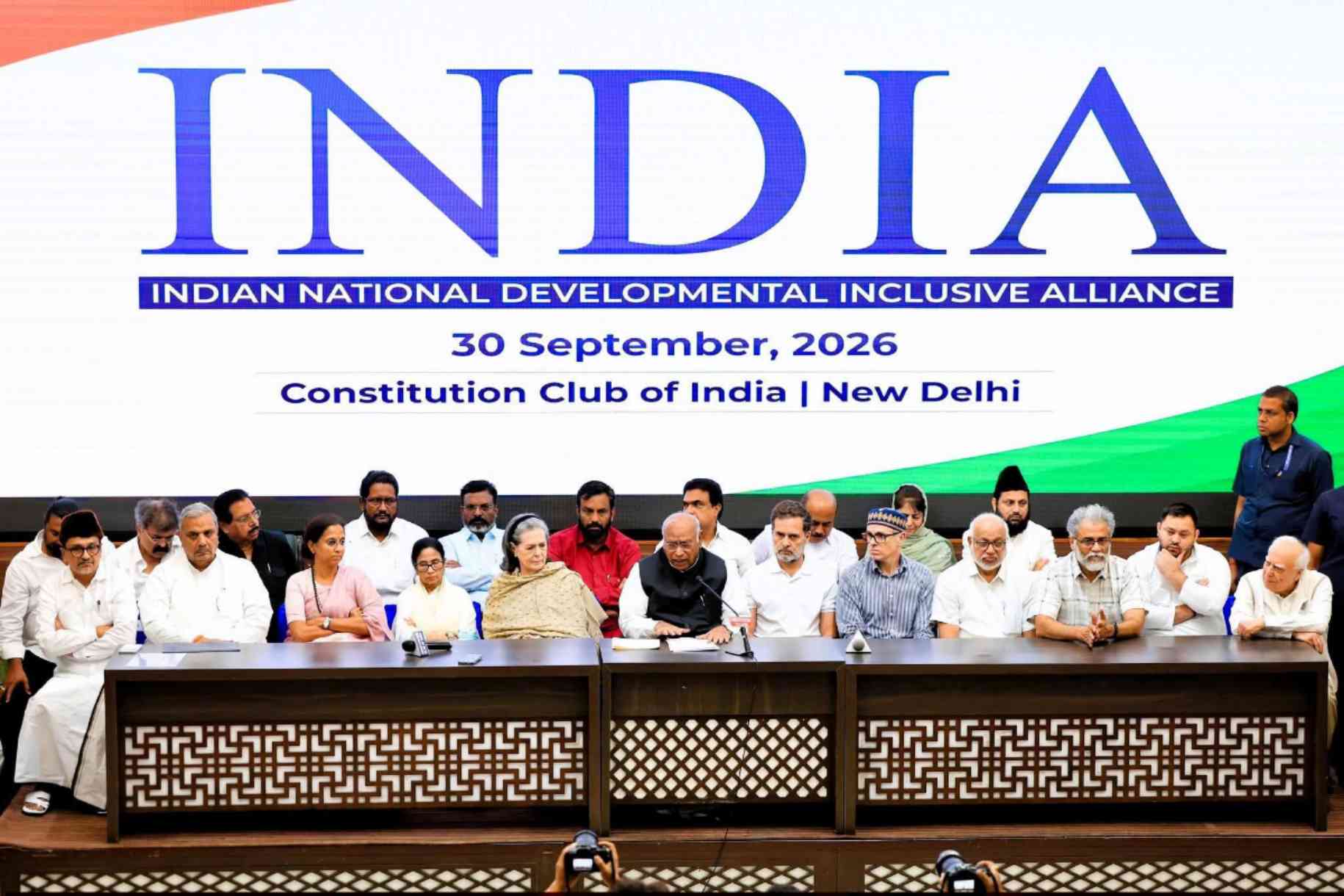
Election Commission–SIR Row: INDIA Bloc Announces...
Oct 01, 2026
WHO Unveils Critical Global Guidance to Combat Hea...
Oct 01, 2026
Beverage Blueprint: Fortifying Bones & Joints Amid...
Oct 01, 2026
Comments (0)
Leave a Comment
No comments yet. Be the first to comment!