
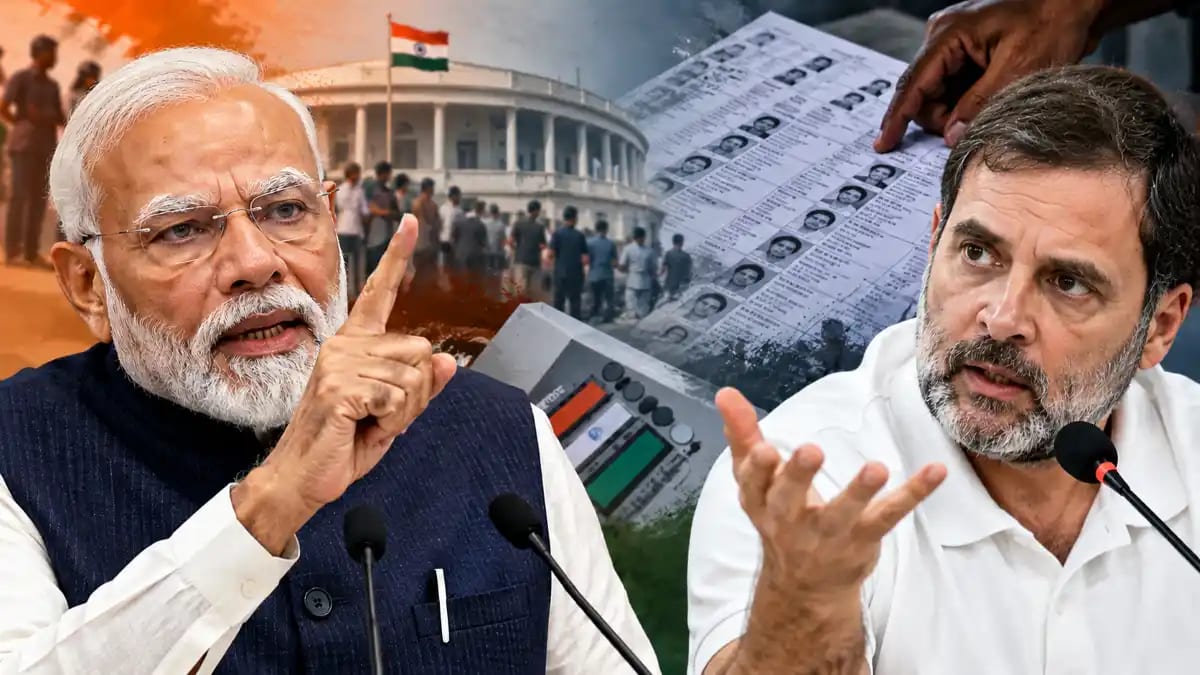

Modi Targets Congress, Rahul Gandhi Over Electoral Rolls, CEC
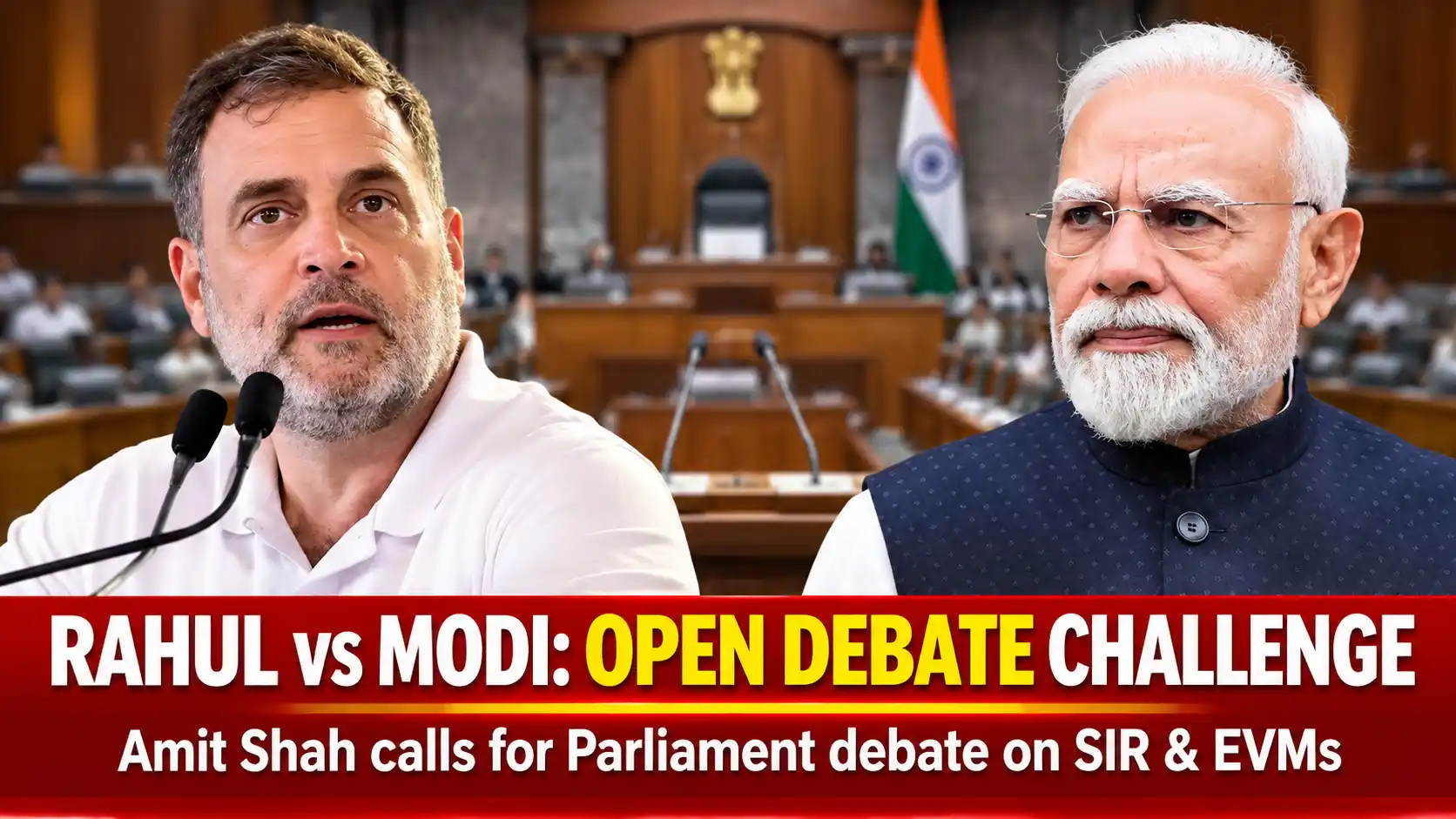
Prime Minister Narendra Modi has intensified his offensive against the Congress party and its leader Rahul Gandhi, specifically targeting the ongoing Special Intensive Revision (SIR) of electoral rolls and raising questions surrounding Chief Election Commissioner Gyanesh Kumar. This move marks a significant escalation in the pre-election political discourse, bringing crucial institutional processes under sharp public scrutiny and reigniting debates over electoral integrity.
Electoral Rolls: A Battleground for Accuracy
The Special Intensive Revision (SIR) of electoral rolls is a fundamental exercise undertaken by the Election Commission of India to ensure the accuracy and inclusivity of voter lists. This process involves updating existing entries, adding new eligible voters, and removing deceased or duplicate names. Its integrity is paramount for free and fair elections, serving as the bedrock of democratic representation.
However, the revision process frequently becomes a political flashpoint. Opposition parties often raise concerns about:
- Potential for manipulation: Allegations of deliberate deletions or inclusions to favour certain political entities.
- Inclusion of ineligible voters: Concerns over non-citizens or duplicate entries.
- Exclusion of eligible citizens: Fears that genuine voters, particularly from marginalized communities, might be disenfranchised due to errors or procedural hurdles.
The Prime Minister's decision to highlight the SIR process underscores the high stakes involved, suggesting a broader critique of the system's management or the Congress's historical stance on electoral transparency. Political observers note that questioning the electoral rolls directly challenges the foundational data upon which elections are conducted, potentially eroding public trust if not addressed transparently.
Chief Election Commissioner's Appointment Under Spotlight
Adding another layer to the confrontation, Prime Minister Modi's remarks also drew Chief Election Commissioner (CEC) Gyanesh Kumar into the political debate. The appointment of the CEC and Election Commissioners (ECs) has been a subject of intense scrutiny and legal challenges recently, particularly following a new law enacted in December 2023.
This legislation altered the selection committee for CECs and ECs, replacing the Chief Justice of India with a Union Cabinet Minister. Critics, including opposition parties, have argued that this change gives the executive undue influence over the appointments, potentially compromising the Election Commission's independence – a cornerstone of India's democratic framework.
"The independence of the Election Commission is non-negotiable for a vibrant democracy. Any political discourse that questions the integrity of its appointments or processes warrants careful consideration and transparent responses," a retired constitutional expert stated, requesting anonymity.
By bringing CEC Gyanesh Kumar's name into the political fray, the Prime Minister's attack implicitly or explicitly aligns with the broader debate about the Election Commission's autonomy and the perceived impartiality of its leadership.
Intensifying Pre-Election Rhetoric
This latest broadside from Prime Minister Modi against the Congress and Rahul Gandhi is strategically timed amidst an intensifying political climate ahead of crucial elections. Such high-profile attacks serve multiple purposes:
- Mobilizing party cadres: Galvanizing the ruling party's base by attacking the opposition on sensitive issues.
- Shaping public narrative: Directing public attention to perceived flaws or controversies surrounding the opposition.
- Questioning institutional integrity: While challenging the opposition, it also places electoral processes and appointments under intense public scrutiny, forcing a defensive posture from those targeted.
The political confrontation over electoral rolls and the CEC's appointment highlights the deep divisions and mistrust that often characterize India's electoral landscape. As the nation gears up for significant polls, the integrity of its democratic institutions remains a central theme of political discourse, with both the ruling party and the opposition vying to control the narrative.
Frequently Asked Questions
Ketan
Editor-in-ChiefPassionate journalist and digital news editor committed to delivering accurate, timely, and fact-checked news.












Comments (0)
Leave a Comment
No comments yet. Be the first to comment!