
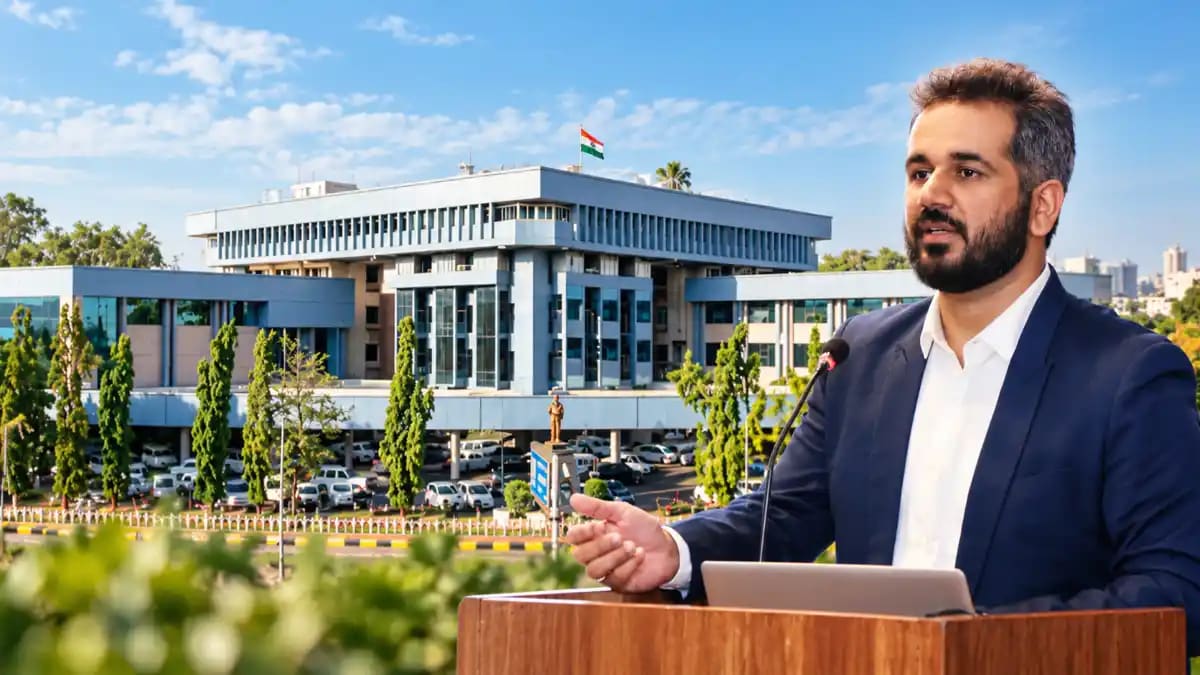

PCMC's 'Suryavanshi Pattern' Unleashes Unprecedented Accountability Drive
Pimpri-Chinchwad Municipal Corporation (PCMC) has witnessed an unprecedented administrative overhaul, with 11 employees terminated and a record number of suspensions initiated within the past seven months. This aggressive disciplinary drive, colloquially termed the 'Suryavanshi Pattern,' marks a significant shift towards stringent accountability under the leadership of Commissioner Shekhar Singh, aiming to purge inefficiency and corruption from the civic body.
The 'Suryavanshi Pattern' Unpacked: A Zero-Tolerance Approach
The 'Suryavanshi Pattern' refers to the decisive and swift actions taken by Commissioner Shekhar Singh against employees found guilty of dereliction of duty, misconduct, or corruption. Since his tenure began, Singh has adopted a zero-tolerance policy, signaling a clear intent to streamline governance and enhance public service delivery. The termination of 11 individuals in such a short span underscores the seriousness of this crackdown, sending a stern message across all departments within the PCMC.
- Duration of Drive: 7 months
- Terminations: 11 employees removed from service
- Suspensions: Record-breaking numbers (specific figure not disclosed, but noted as unprecedented)
- Driving Force: Commissioner Shekhar Singh's administrative resolve
Context and Background: A Push for Clean Governance
The Pimpri-Chinchwad region, a rapidly urbanizing industrial hub adjacent to Pune, relies heavily on efficient municipal services. Public perception of municipal bodies often grapples with issues of bureaucratic delays and alleged corruption. Commissioner Singh's proactive stance appears to be a direct response to these long-standing challenges, aiming to restore public trust and ensure transparent functioning.
Historically, significant disciplinary actions against municipal employees have been sporadic rather than sustained. The current drive, however, distinguishes itself by its consistent intensity and the sheer volume of actions taken, indicating a systemic effort rather than isolated incidents. This proactive approach contrasts with previous eras where such actions were often reactive or limited in scope, failing to create a lasting impact on administrative culture.
Impact & Analysis: What This Means for Citizens and the Sector
The ramifications of the 'Suryavanshi Pattern' are multifaceted, affecting both the internal workings of the PCMC and its relationship with the citizens it serves.
- Enhanced Public Service: Citizens can anticipate improved efficiency and reduced red tape in accessing municipal services, as the fear of disciplinary action may compel employees to perform their duties diligently.
- Increased Accountability: The drive fosters a culture of accountability within the PCMC, potentially deterring future instances of corruption and negligence. This could lead to greater transparency in administrative processes.
- Morale and Due Process: While beneficial for overall governance, such aggressive drives also necessitate careful adherence to due process to prevent arbitrary actions and maintain employee morale. The administration must balance strictness with fairness.
- Precedent for Other Bodies: PCMC's actions could serve as a model for other municipal corporations grappling with similar issues of inefficiency and corruption, potentially inspiring similar accountability drives across urban local bodies in Maharashtra and beyond.
"This decisive action by the PCMC leadership sends a clear message: public service is not merely a job, but a sacred trust. It's a critical step towards restoring faith in local governance and ensuring that taxpayer money translates into tangible development and efficient services for the citizens of Pimpri-Chinchwad."
The sustained implementation of this pattern will be crucial in determining its long-term success. While the initial impact is significant, the challenge lies in institutionalizing these reforms to prevent a return to old practices once the immediate pressure subsides. The coming months will reveal whether the 'Suryavanshi Pattern' can truly transform PCMC into a benchmark for clean and efficient urban administration.
Frequently Asked Questions
Ketan
Editor-in-ChiefPassionate journalist and digital news editor committed to delivering accurate, timely, and fact-checked news.















Comments (0)
Leave a Comment
No comments yet. Be the first to comment!