
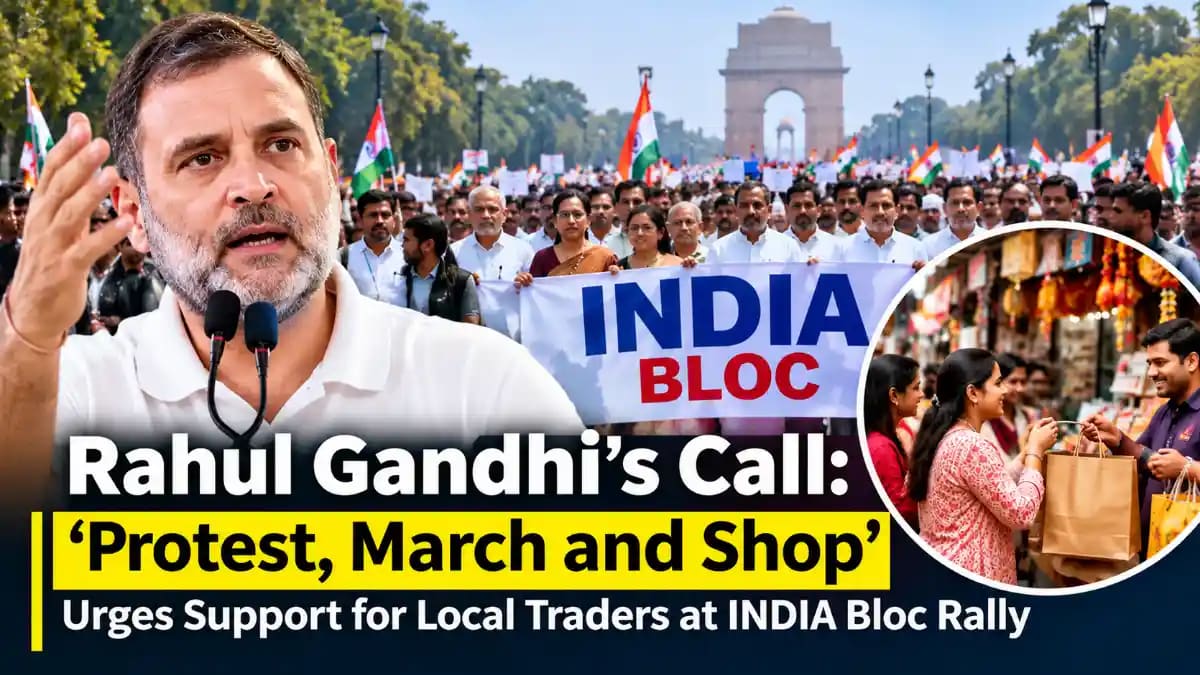

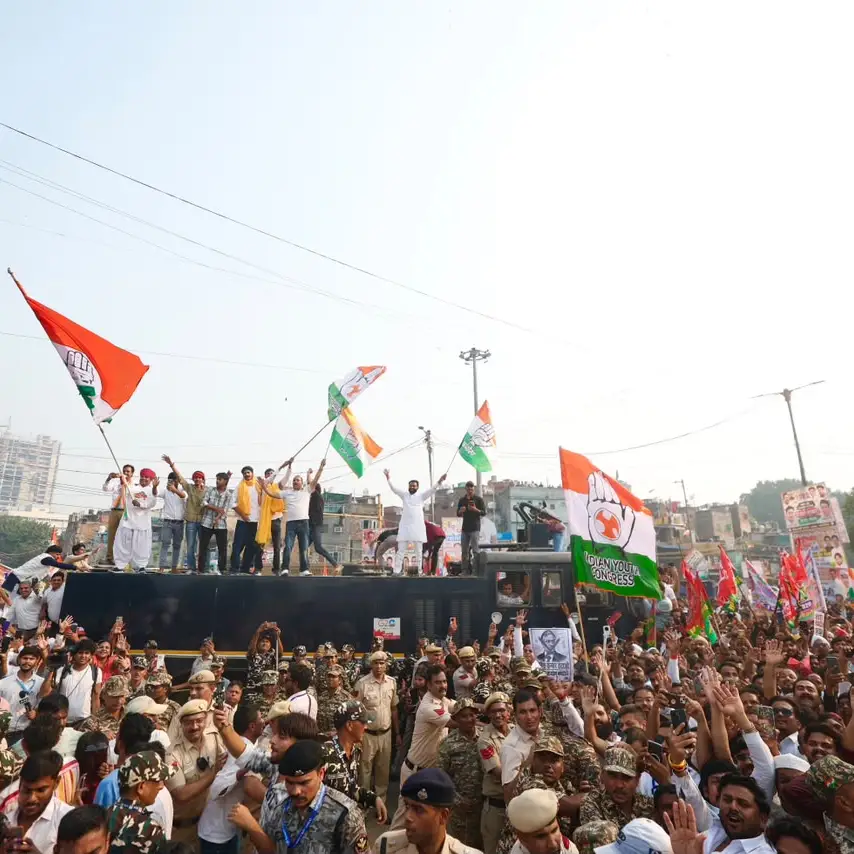
Rahul Gandhi, a prominent leader of the INDIA bloc, has called upon participants of the opposition alliance's rally in Delhi to actively support local traders by making festive purchases. The appeal, encapsulated in the slogan "Protest, march and shop," aims to blend political demonstration with a direct economic upliftment initiative for the city's business community.
Gandhi's Call to Action
Addressing a gathering of INDIA bloc supporters, Rahul Gandhi emphasized the dual purpose of their presence in Delhi: political protest and economic solidarity. His directive encourages attendees to engage with local markets and vendors, channeling their collective purchasing power to benefit Delhi's traders during the ongoing festive season. This move, according to political analysts, seeks to project the INDIA bloc not just as a political opposition but also as a force concerned with grassroots economic welfare.
Economic Strategy Amidst Political Protest
The "Protest, march and shop" slogan marks a distinctive approach, integrating consumer action directly into a political rally's agenda. Sources close to the INDIA bloc suggest this strategy is designed to create a positive perception among the trading community, often seen as a crucial electoral demographic. By urging participants to spend money locally, Gandhi aims to demonstrate a tangible commitment to supporting small and medium-sized enterprises (SMEs) and local businesses, which have reportedly faced various economic challenges.
Implications for Delhi's Festive Economy
- Direct Financial Injection: The collective spending by thousands of rally participants could provide a significant, albeit temporary, boost to Delhi's retail sector.
- Goodwill Generation: The initiative is expected to generate goodwill for the INDIA bloc among traders and their families.
- Symbolic Gesture: Beyond immediate economic impact, the call serves as a symbolic gesture of solidarity, highlighting the opposition's focus on livelihood issues.
This unique appeal from the INDIA bloc leader underscores a broader attempt to connect political activism with practical economic support, potentially setting a new precedent for how political rallies engage with local economies.
Frequently Asked Questions
Chandrabhag
Senior EditorChandrabhag is an editorial writer and journalist for Digital Bharat Times, specializing in verified news reporting, regional developments, and national policy analysis.




Comments (0)
Leave a Comment
No comments yet. Be the first to comment!