
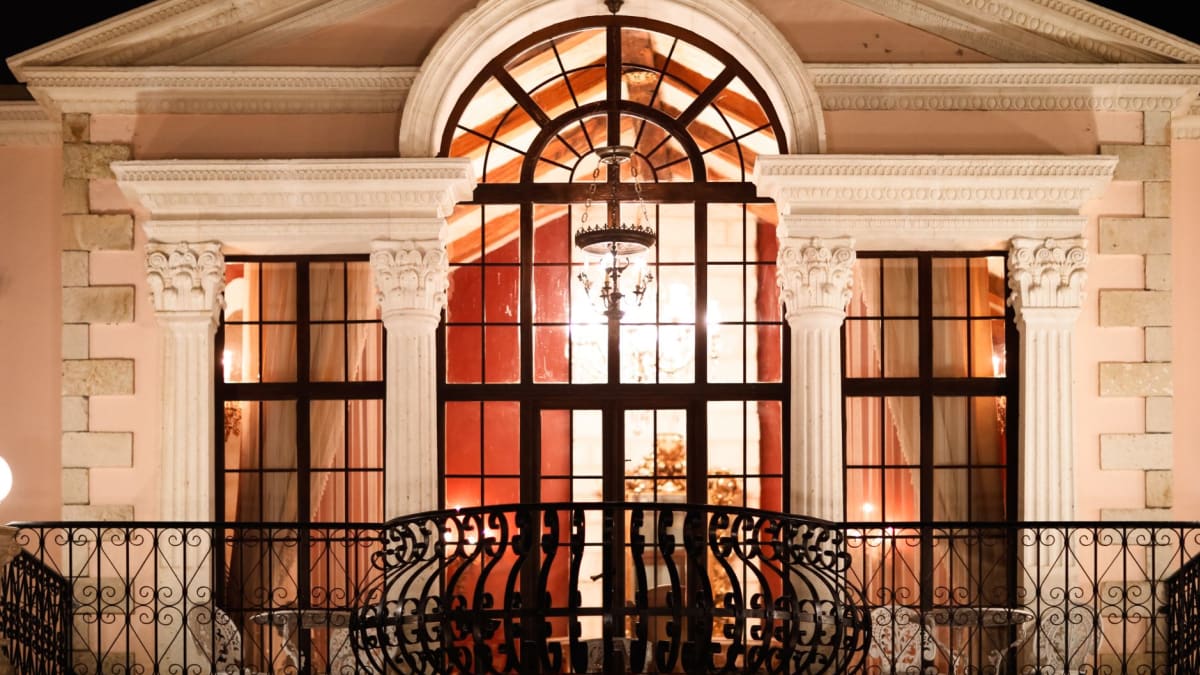

In affluent suburbs and burgeoning exurban landscapes, a peculiar architectural phenomenon is taking root, dividing opinion as sharply as a chisel splits stone: the rise of the faux-historic mansion. These colossal new builds, meticulously crafted to evoke the grandeur of Georgian estates, Tudor manors, or French châteaux, are simultaneously celebrated as dream homes and derided as inauthentic pastiche, sparking a contentious debate among homeowners, architects, and heritage advocates.
The Allure of Anachronism: Why Faux-Historic Reigns
The appeal of these neo-classical colossi is undeniable for a segment of the affluent market. For many, a faux-historic mansion represents the pinnacle of aspirational living – a tangible symbol of success wrapped in the perceived timeless elegance of a bygone era. Homeowners are drawn to the expansive footprints, the elaborate detailing, and the sense of established grandeur that these homes project, often blending modern amenities like smart home technology and open-plan living with a veneer of historical gravitas.
- Status Symbol: Mimicking the stately homes of aristocracy or historical figures offers a powerful statement of wealth and taste.
- Perceived Timelessness: The belief that classic architectural styles will never go out of fashion, offering enduring aesthetic value.
- Modern Comforts: The ability to integrate contemporary conveniences and expansive layouts within a traditional shell.
- Escapism: A desire to inhabit a romanticized version of history, detached from contemporary architectural trends.
Aspirational Aesthetics vs. Historical Accuracy
The core of the debate lies in the tension between aesthetic aspiration and historical authenticity. While homeowners often seek a 'classic look,' the execution frequently involves a superficial application of historical motifs. Turrets might appear on a Georgian-inspired façade, or classical columns might frame an entrance leading to a decidedly modern interior. This blending, or often clashing, of styles is where critics find their strongest arguments.
Architectural Pastiche or Design Evolution?
For many in the architectural and preservation communities, these homes represent a troubling trend towards 'Disneyfication' – a superficial, often anachronistic, imitation of history that lacks genuine understanding or respect for architectural periods. They argue that true historical architecture is deeply rooted in its context, materials, and the craftsmanship of its time, elements often absent in their modern counterparts.
"These aren't homes; they're stage sets. They borrow elements from different centuries and geographies without any coherent narrative or genuine understanding of the original intent. It's architectural cosplay, and it dilutes the very notion of heritage," states Dr. Eleanor Vance, a prominent architectural historian and preservationist.
Critics Decry "Inauthentic" Materials and Craftsmanship
A significant point of contention revolves around materials and construction. Original historic homes were built with enduring materials like hand-cut stone, solid timber, and intricate plasterwork, often by skilled artisans over many years. Faux-historic mansions, conversely, frequently utilize mass-produced veneers, synthetic stucco, and pre-fabricated elements designed for quick assembly, leading to concerns about long-term durability and genuine craftsmanship. The scale, too, is often disproportionate, with oversized elements that betray their lack of historical grounding.
The Environmental Footprint
Beyond aesthetics, the sheer scale of many faux-historic mansions raises environmental concerns. Their expansive footprints demand significant land use, often contributing to urban sprawl and habitat destruction. The energy consumption required to heat, cool, and light these vast residences is also substantial, running counter to contemporary sustainability imperatives in architecture.
The Economic and Social Ripple
The proliferation of these homes has tangible economic and social impacts. In communities where they emerge, they can significantly alter neighborhood character, sometimes overshadowing existing homes and creating a sense of visual discord. Property values can be influenced in complex ways; while some argue they elevate an area's prestige, others fear they create an artificial market that may not be sustainable.
Property Values and Neighborhood Character
Real estate agents often point to strong market demand for these properties, particularly among buyers seeking maximum square footage and perceived luxury. However, urban planners and community groups express concern over the erosion of local architectural identity and the creation of visually incongruous streetscapes. The debate often boils down to individual property rights versus collective community aesthetics.
Navigating the Future of Residential Design
The ongoing polemic surrounding faux-historic mansions underscores a broader challenge in contemporary residential architecture: how to balance individual homeowner aspirations with principles of authenticity, contextual design, and environmental responsibility. As urban and suburban landscapes continue to evolve, the conversation around what constitutes 'good' design – and whether imitation is indeed the sincerest form of flattery or merely a superficial gesture – will undoubtedly intensify.
The Role of Zoning and Architectural Review Boards
In response to these trends, many municipalities are re-evaluating zoning ordinances and strengthening architectural review processes. These bodies play a crucial role in mediating between developer interests, homeowner desires, and community standards, attempting to ensure new constructions contribute positively to the built environment rather than detracting from it. The goal is often to encourage designs that are both innovative and respectful of their surroundings, fostering a sense of place rather than a pastiche of the past.
Frequently Asked Questions
Sadashiv Shinde
Senior EditorSadashiv Shinde is an editorial writer and journalist for Digital Bharat Times, specializing in verified news reporting, regional developments, and national policy analysis.














Comments (0)
Leave a Comment
No comments yet. Be the first to comment!