


LUCKNOW, October 30, 2026: In a democracy, students are encouraged to study hard, prepare for competitive examinations and raise their voices when something goes wrong. But when protest movements collide with government job verification rules, young people may understandably ask a rather uncomfortable question: can today's protest become tomorrow's problem during recruitment?
The Uttar Pradesh government led by Chief Minister Yogi Adityanath has issued revised guidelines for verifying the character and background of candidates selected for direct government recruitment. The rules have triggered political controversy because they include provisions concerning people associated with organisations that seek to change the existing system through violent means. The government, however, says political ideology alone cannot be grounds for disqualification.
What Do the New Rules Actually Say?
The guidelines, issued on October 28, apply to direct recruitment across state government departments, corporations, boards and local bodies. They cover specified serious offences and involvement in organisations whose stated objective is to change the existing social or political order through violence. The policy also sets out how authorities should assess relevant criminal cases and background-verification findings.
According to the government's clarification, a candidate cannot automatically be rejected simply for holding a particular political ideology, participating in peaceful democratic activity, having an FIR registered against them or being the subject of a pending investigation. The government says the provisions must be read in context rather than interpreted as a blanket ban on protesters. Hindustan Times reported on the revised policy.
Does Attending a Protest Mean Losing a Government Job?
No—not under the government's stated clarification. Peaceful protest and participation in violent activity are not the same thing. A student who joins a demonstration over recruitment delays, examination irregularities, unemployment or another public issue should not automatically be treated as someone involved in violence.
Still, the question of implementation matters. Who decides whether a person's actions crossed the line from peaceful dissent into disqualifying conduct? What evidence will be considered? Will the candidate have a meaningful opportunity to explain their actions? These are not anti-government questions; they are basic questions about fairness and due process.
Democracy does come with rules. But it also comes with the right to question those who make them. If every disagreement were treated as suspicious, public debate would become a very quiet affair—and perhaps an exceptionally convenient one for those in power.
Three Years Under Scrutiny
Reports on the guidelines state that participation in specified activities after the age of 21 and within the three years preceding verification may be treated as an indication of continued involvement. The policy also allows authorities to consider concrete evidence of a genuine positive change in a candidate's conduct.
This makes the assessment of evidence especially important. A person's conduct, the nature of the activity and the circumstances of the case should matter. A photograph at a peaceful demonstration should not automatically be treated as proof of violent conduct, just as a serious allegation should not be accepted as established fact without proper assessment.
What About an FIR or a Pending Case?
The government has clarified that the mere registration of an FIR or the pendency of an investigation will not, by itself, automatically disqualify a candidate. The guidelines set out different treatment for different categories of offences and stages of legal proceedings. Their application depends on the relevant provisions and facts of each case.
This distinction is important in a country where a complaint and a proven offence are legally different things. Background verification should protect the integrity of public service without turning an untested allegation into a final verdict on a candidate's future.
The Democratic Question the Government Must Answer
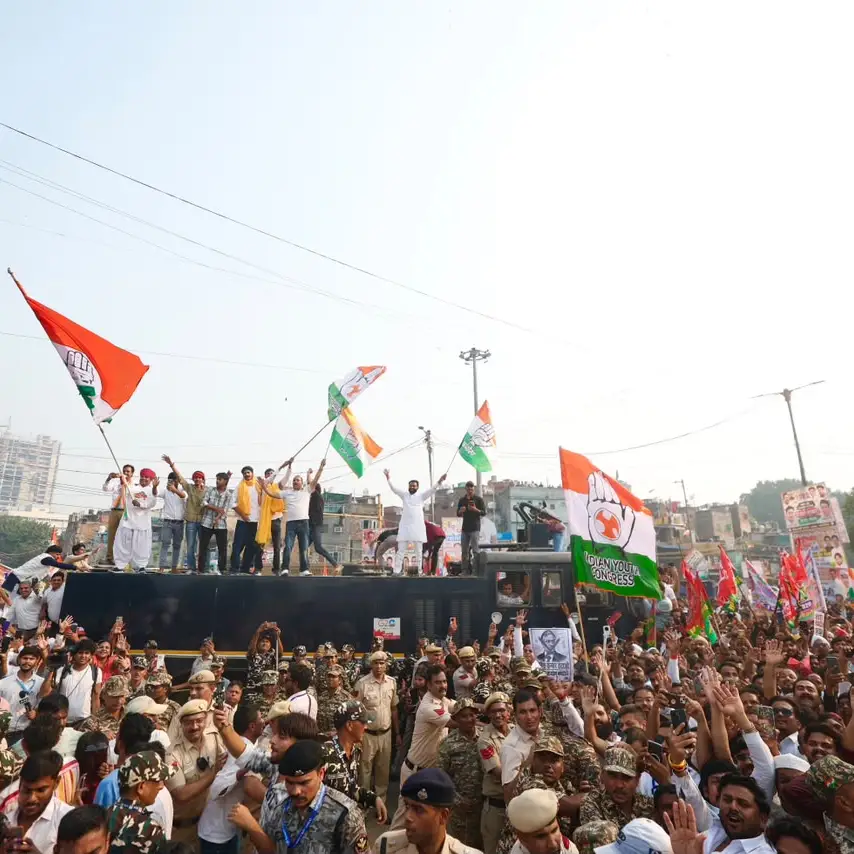
The Samajwadi Party and Congress have criticised the policy, warning about its potential effect on young people and protest movements. The government maintains that the rules are intended to assess suitability for public employment and that political ideology alone cannot be used to reject an applicant. The New Indian Express reported on the provisions and the political dispute.
The larger issue is not whether violent conduct should be taken seriously. It should. The issue is whether the distinction between violence and peaceful dissent will be applied clearly, consistently and fairly. If authorities make that distinction transparently, the rules can be assessed on their stated purpose. If decisions rely on vague allegations or political assumptions, public confidence could suffer.
There is a touch of irony in telling young people to become responsible citizens while leaving them anxious about whether raising their voices could affect their careers. A democracy needs responsible protest, lawful conduct and accountable institutions. It should not require students to choose between expressing a peaceful grievance and protecting their professional future.
What Happens Next?
The real test will be the implementation of the guidelines. Candidates should receive decisions based on relevant evidence and applicable rules, not merely on political labels. Authorities should explain adverse findings and provide the opportunity to present a response as required by the procedure.
So, will every student who attends a protest be denied a government job? The available rules and the government's clarification do not support that sweeping conclusion. But the public is entitled to ask how the safeguards will work in practice.
After all, democracy is not simply the freedom to vote when elections arrive. It also depends on the ability to disagree peacefully between elections. A government job should be decided under clear, lawful and consistently applied criteria—not by whether a young person has ever dared to question the government. The difference between preventing violence and discouraging dissent must remain clear, because the health of a democracy depends on it.
Frequently Asked Questions
Ketan
Editor-in-ChiefPassionate journalist and digital news editor committed to delivering accurate, timely, and fact-checked news.












Comments (0)
Leave a Comment
No comments yet. Be the first to comment!