
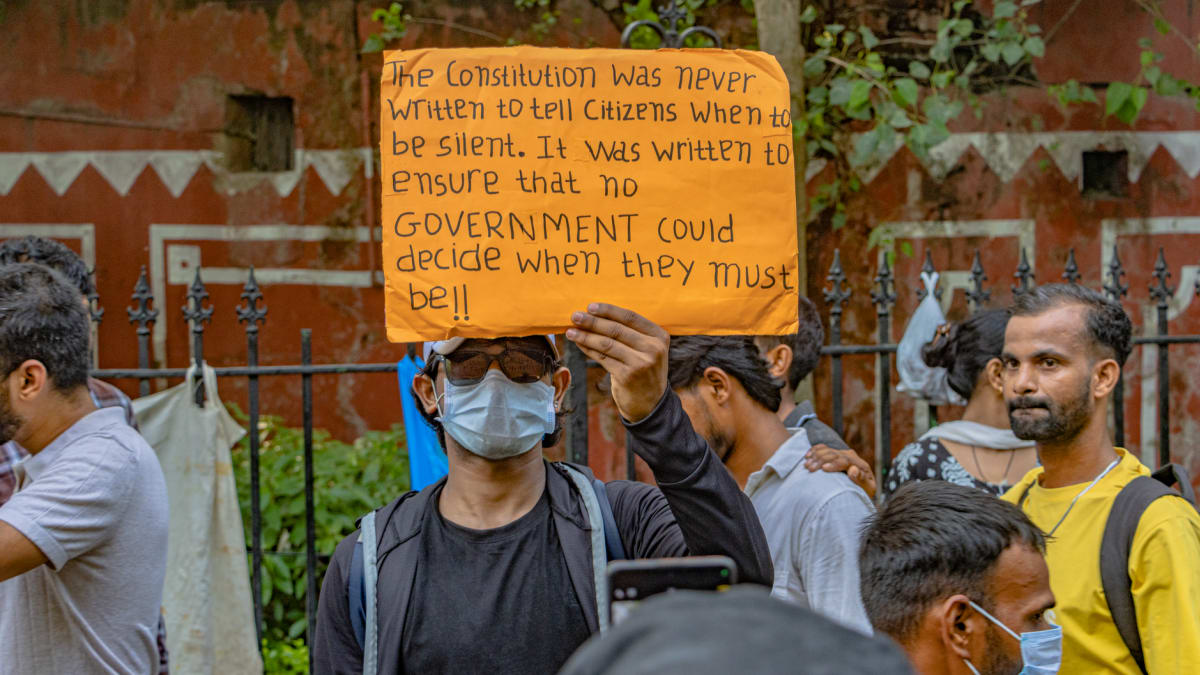

Visakhapatnam Health Crisis: Contract Workers' Strike Deepens, Services Crippled
Visakhapatnam’s public healthcare infrastructure is teetering on the brink of a major crisis as hundreds of contract health employees, including nurses, paramedics, technicians, and sanitation staff, entered their second consecutive day of an indefinite strike on Tuesday. Their unified demand for the regularization of their services, along with better wages and comprehensive benefits, has brought essential medical operations to a grinding halt across government hospitals and various primary health centres (PHCs) in the district, severely impacting patient care.
Escalating Demands and Unfulfilled Promises
The strike, spearheaded by various unions representing contract healthcare workers, underscores a deep-seated frustration over years of temporary employment status and a significant disparity in remuneration and benefits compared to their permanent counterparts. These employees, who were instrumental on the frontlines during the COVID-19 pandemic, feel their contributions have been largely overlooked by the state government.
- Regularization of Services: The primary demand is for permanent absorption into government service, providing job security after years, and in many cases, decades, of contractual work.
- Equal Pay for Equal Work: Protesters are demanding pay parity with permanent staff performing similar duties, citing the principle of 'equal pay for equal work' as enshrined in labor laws.
- Provident Fund (PF) & Employees' State Insurance (ESI): Many contract workers lack basic social security benefits, including PF and ESI, which are standard for permanent government employees.
- Gratuity & Pension: The absence of retirement benefits like gratuity and pension leaves contract workers vulnerable in their old age, a stark contrast to the secure future of permanent staff.
- Risk Allowance: Despite their exposure to infectious diseases and hazardous conditions, particularly during public health emergencies, many do not receive adequate risk allowances.
"We have served the public diligently, often working longer hours and under more stressful conditions than permanent staff, especially during the pandemic. Yet, we are treated as disposable. Our demands are not new; they are promises made and broken repeatedly by successive governments," stated a union representative, addressing a gathering of striking workers outside King George Hospital (KGH).
Crippling Impact on Healthcare Services
The absence of such a large contingent of staff has predictably created immense pressure on the already strained public healthcare system in Visakhapatnam. King George Hospital (KGH), the largest government hospital in the region, along with district hospitals and numerous PHCs, are struggling to maintain even basic services.
- Outpatient Departments (OPDs): OPD registrations and consultations have seen significant delays, with many patients being turned away or forced to wait for hours.
- Diagnostic Services: Laboratory tests, X-rays, and other crucial diagnostic procedures are severely affected due to the absence of technicians.
- Sanitation and Housekeeping: The lack of sanitation workers poses a significant public health risk, especially in large hospitals where hygiene is paramount.
- Emergency Services: While emergency services are being managed by permanent staff, the reduced workforce means longer response times and increased burden, potentially compromising critical care.
- Rural Healthcare: PHCs in rural and tribal areas, heavily reliant on contract staff, are facing near-total paralysis, leaving vulnerable populations without access to primary medical care.
Patients, particularly those from economically weaker sections who depend solely on government facilities, are bearing the brunt of the strike. Many have expressed frustration and despair over the lack of access to timely medical attention.
Government's Stance and Future Outlook
While district health officials have acknowledged the disruption, there has been no immediate breakthrough in negotiations. Sources within the District Medical and Health Department indicate that meeting the regularization demands for such a large workforce would entail a significant financial burden on the state exchequer, requiring substantial budgetary allocations and policy changes. The government has historically cited financial constraints and existing recruitment rules as hurdles to regularization.
Union leaders, however, remain resolute. They have vowed to intensify their agitation if their demands are not met promptly, hinting at potential statewide protests if the Visakhapatnam administration fails to address their grievances. The ongoing standoff highlights a broader national issue concerning the precarious employment conditions of contract workers in essential public services, often exploited for cost-cutting measures by state governments.
As the strike enters its crucial second day, the onus is on the state government to engage in constructive dialogue and find a sustainable solution that addresses the legitimate concerns of these frontline workers without further jeopardizing public health services. The situation demands urgent intervention to prevent a full-blown health crisis in Visakhapatnam.
Frequently Asked Questions
Aniket More
Senior EditorAniket More is an editorial writer and journalist for Digital Bharat Times, specializing in verified news reporting, regional developments, and national policy analysis.














Comments (0)
Leave a Comment
No comments yet. Be the first to comment!