
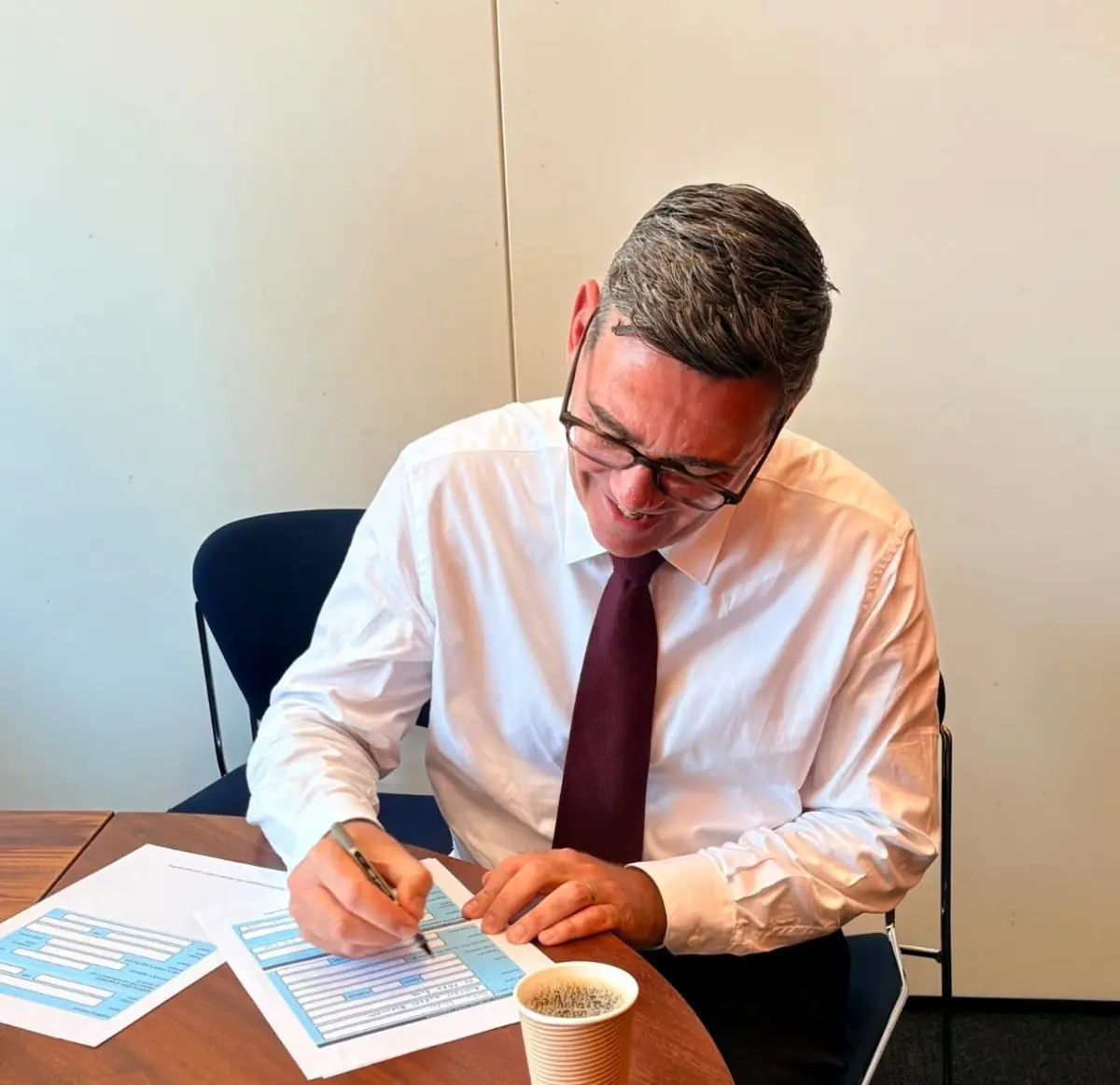

Andy Burnham Officially Takes Charge of Labour Party
Andy Burnham has officially been elected as the new leader of the UK's governing Labour Party, marking one of the biggest political transitions in Britain in recent years. His confirmation came during a special Labour leadership conference in London on Friday, paving the way for him to be sworn in as the country's next Prime Minister on Monday.
With the leadership contest uncontested, Burnham secured the party's top position after emerging as Labour's consensus choice following weeks of political uncertainty. He will become the 59th Prime Minister of the United Kingdom and the seventh national leader to take office within the last decade.
From Manchester Mayor to 10 Downing Street
Burnham's rise to Britain's highest political office has been years in the making. Widely known as the 'King of the North' for championing Greater Manchester's interests during his time as mayor, he has built a reputation for advocating regional development, public transport reforms and stronger local governance.
His political comeback accelerated after winning a parliamentary by-election that allowed him to return to Westminster. The victory convinced many Labour MPs that Burnham was the strongest candidate to counter the growing popularity of Nigel Farage's Reform UK.
Shortly afterward, former Prime Minister Keir Starmer announced his resignation, opening the door for Burnham to assume the party leadership without opposition.
A Third Attempt That Finally Paid Off
Burnham's elevation to Labour leader comes after two unsuccessful bids for the same position in 2010 and 2015. More than a decade later, he has finally secured the role, completing one of the most remarkable political comebacks in modern British politics.
Burnham's Vision for Britain
During his acceptance speech, Burnham praised outgoing leader Keir Starmer for rebuilding Labour after previous electoral setbacks and outlined a broad vision for the country's future.
He promised to unite Labour under a single leadership, focus on practical solutions rather than political divisions, strengthen local communities by decentralising power from Westminster and deliver economic growth that benefits every region of the UK.
Burnham also argued that Britain's economic challenges stem from decades of excessive centralisation and declining living standards, pledging to restore public confidence in politics through reforms that improve everyday life.
Key Policy Priorities
The incoming Prime Minister has outlined several major priorities expected to shape his government:
- Economic Growth: Greater investment in local economies while increasing public oversight of essential services such as transport, housing, water and energy.
- Immigration: A balanced approach that supports border controls while addressing concerns affecting migrants already living legally in the UK.
- Constitutional Reform: Exploring electoral reforms and giving greater decision-making powers to regional governments.
- Social Care: Expanding access to elderly and disability care, an issue Burnham says has been neglected by successive governments.
Political Challenges Await
Despite taking over Britain's governing party, Burnham inherits a politically challenging environment. Recent opinion polls have shown Reform UK making significant gains, increasing pressure on Labour to reconnect with voters before the next general election.
His government will also face difficult choices over economic growth, public spending, immigration policy and investment while attempting to rebuild public trust after years of political instability.
What Happens Next?
The formal transfer of power is expected to take place at 10 Downing Street on Monday, when Andy Burnham officially assumes office as Prime Minister.
Political analysts believe his first few months in office will be closely watched by financial markets, international allies and British voters as he attempts to deliver stability while implementing Labour's new political agenda.
Frequently Asked Questions
Ketan
adminPassionate journalist and digital news editor committed to delivering accurate, timely, and fact-checked news.
Related Articles



Latest Articles

Trump, Tech Giants Ink Voluntary AI Pact Amid Glob...
Oct 01, 2026
Khanna Targets 'Recursive' AI with Landmark Safety...
Oct 01, 2026
Election Commission–SIR Row: INDIA Bloc Announces...
Oct 01, 2026
WHO Unveils Critical Global Guidance to Combat Hea...
Oct 01, 2026
Comments (0)
Leave a Comment
No comments yet. Be the first to comment!