
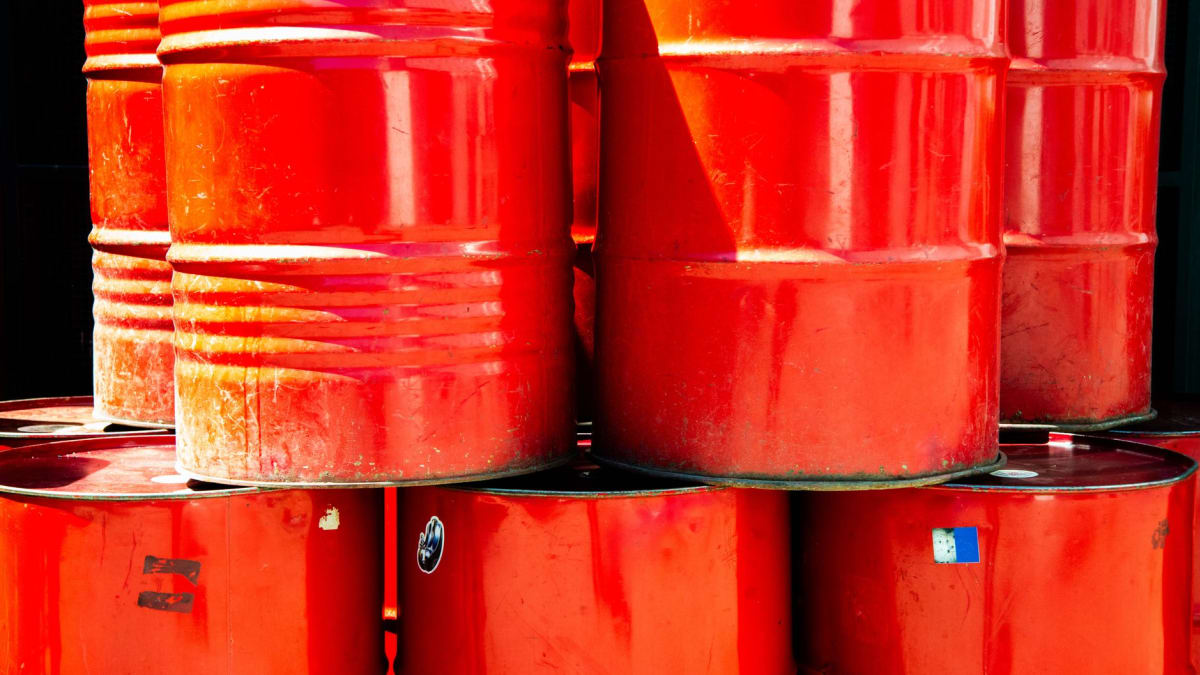
The Geopolitical Tightrope: India Caught Between Sanctions and Sovereignty
In the intricate dance of international diplomacy and economic pressure, India finds itself on a geopolitical tightrope, its energy security now directly threatened by a recent US House vote. The specter of a 100% tariff on Russian oil imports looms large, a development that could fundamentally reshape India's foreign policy calculus and economic stability. This isn't merely a trade dispute; it's a profound test of sovereignty, strategic partnerships, and the very fabric of a globalized, yet increasingly fractured, world order.
The genesis of this escalating tension lies in the ongoing conflict in Ukraine and the subsequent Western-led sanctions regime against Russia. The United States, keen to cripple Russia's war machine by cutting off its revenue streams, has exerted immense pressure on nations worldwide to cease or significantly reduce their dealings with Moscow. India, a significant global player and the world's third-largest oil consumer, has emerged as a crucial, and at times controversial, partner for Russia, capitalizing on discounted crude oil supplies that have been shunned by many Western buyers.
The US House Vote: A Clear Signal of Discontent
The recent US House vote, while not immediately enacting the tariff, serves as an unequivocal signal of Washington's growing impatience and determination. It reflects a bipartisan consensus within the US legislature that India's continued reliance on Russian oil undermines the efficacy of sanctions and indirectly supports Russia's actions. For New Delhi, this isn't just a warning shot; it's a direct challenge to its foreign policy autonomy and its carefully cultivated relationships.
A 100% tariff would effectively double the price of Russian oil for Indian refiners, instantly erasing any financial advantage gained from the discounted rates. The economic ramifications for India would be severe. Already grappling with inflationary pressures, such a tariff would inevitably translate into higher fuel prices for consumers, increased operational costs for industries, and a potential ripple effect across the entire economy. India's burgeoning manufacturing sector, its vast agricultural network, and its rapidly growing middle class would all feel the pinch, potentially stifling economic growth and exacerbating social inequalities.
India's Dilemma: Energy Security vs. Strategic Alignment
India's rationale for purchasing Russian oil has always been rooted in pragmatic energy security and economic necessity. As a nation with a rapidly expanding economy and a massive population, securing affordable and reliable energy sources is paramount. Russia, a long-standing strategic partner and a major arms supplier, offered a compelling economic proposition amidst global energy market volatility. For India, diversifying its energy basket and securing favorable terms is not a luxury but a fundamental requirement for national development.
However, this pragmatic approach now directly clashes with India's aspirations for a deeper strategic partnership with the United States and its allies, particularly within frameworks like the Quad (Quadrilateral Security Dialogue). The US views India as a critical counterweight to China in the Indo-Pacific, and a strong, stable US-India relationship is central to its broader geopolitical strategy. The Russian oil issue, therefore, threatens to become a significant wedge, complicating cooperation on other vital fronts, from defense technology transfers to regional security initiatives.
The Path Forward: Diplomacy or Deterioration?
The looming tariff threat forces India to confront difficult choices. Will it succumb to US pressure, gradually phasing out Russian oil and seeking alternative, potentially more expensive, suppliers? Or will it stand firm on its principle of strategic autonomy, risking economic penalties and potential strain on its relationship with a key global partner?
Alternative suppliers, primarily from the Middle East, exist, but they may not offer the same competitive pricing or logistical advantages that Russia currently provides. Shifting supply chains on such a massive scale would involve significant logistical challenges, renegotiation of contracts, and potentially higher costs, all of which would ultimately be borne by the Indian consumer and economy.
The situation calls for astute diplomacy from both sides. For the US, a blanket tariff might be seen as a blunt instrument that alienates a crucial strategic partner rather than persuades it. Understanding India's unique energy demands and offering viable, economically attractive alternatives could be a more constructive path. For India, a clear articulation of its long-term energy strategy and a demonstration of its commitment to global stability, while safeguarding its national interests, will be crucial.
Ultimately, this episode highlights the complex realities of a multipolar world where nations must navigate a labyrinth of competing interests, moral imperatives, and economic necessities. India's response to this tariff threat will not only define its immediate economic trajectory but also its standing on the global stage, signaling its capacity to balance strategic partnerships with the unwavering pursuit of its national interest.
Frequently Asked Questions
Related Articles



Latest Articles

Diveagar Beach Tragedy: 8 Students From Alandi's W...
Oct 02, 2026
Indian Share Market Falls: Sensex Drops 571 Points...
Oct 01, 2026
Minister Mandates Swift Clearance of 7,000+ Pendin...
Oct 01, 2026
OpenAI Unlocks AI Power for Small Businesses, Brid...
Oct 01, 2026
Comments (0)
Leave a Comment
No comments yet. Be the first to comment!