
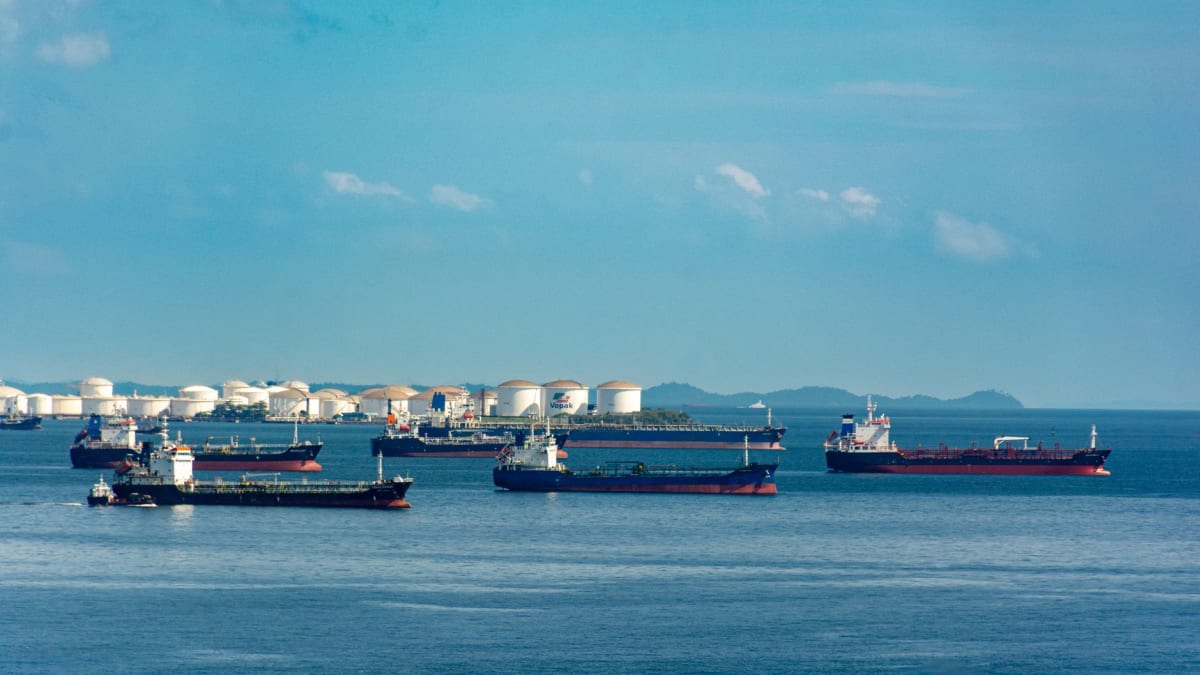

India's Strategic Pivot Towards US Energy Amid Global Volatility
New Delhi is aggressively reconfiguring its energy import strategy, significantly deepening its reliance on the United States as a crucial supplier of crude oil and liquefied natural gas (LNG). This strategic pivot, driven by a relentless pursuit of energy security and diversification, marks a critical evolution in the Indo-US bilateral relationship, transforming the global energy landscape.
For years, India, the world's third-largest oil consumer, has been heavily dependent on traditional Middle Eastern suppliers. However, a confluence of geopolitical shifts, price volatility, and the imperative to secure stable energy sources has propelled India to explore new avenues, with the United States emerging as a formidable and reliable partner.
A Strategic Shift in India's Energy Calculus
India's energy demand continues its upward trajectory, making the diversification of its import basket a national security priority. Historically, over 80% of India's crude oil requirements were met by imports, with a significant portion originating from the Gulf region. This concentration posed inherent risks, particularly during periods of geopolitical instability or supply disruptions.
The strategic imperative to reduce over-reliance on any single region or cartel has been a driving force behind India's outreach to non-traditional suppliers. The United States, with its burgeoning shale oil and gas production, presented an opportune alternative, offering both volume and competitive pricing.
The United States: A New Energy Powerhouse for India
The trajectory of energy trade between India and the U.S. has witnessed a dramatic surge since 2017, when the first crude oil shipment from the U.S. arrived in India. What began as an exploratory measure has rapidly escalated into a substantial and consistent supply chain.
- Exponential Growth: Industry data indicates that U.S. crude oil exports to India have grown from negligible volumes to billions of dollars annually, positioning the U.S. among India's top four crude oil suppliers in recent fiscal years.
- Diversified Portfolio: Beyond crude, India has also significantly increased its imports of U.S. LNG, bolstering its gas-based economy and reducing its carbon footprint compared to coal.
- Strategic Dialogue: The U.S.-India Strategic Energy Partnership (SEP), established in 2018, serves as a testament to the deepening collaboration, focusing on oil and gas, power and energy efficiency, renewable energy, and sustainable growth.
This burgeoning energy trade offers mutual benefits. For India, it ensures a diversified, reliable, and often more competitively priced source of energy. For the U.S., it provides a vast and growing market for its energy exports, strengthening its economic ties with a key Indo-Pacific partner.
Navigating Geopolitical Undercurrents and Future Trajectory
The expansion of India-U.S. energy ties is not immune to global geopolitical complexities. India's continued engagement with other major oil producers, including Russia, particularly in the wake of international sanctions, has been a subject of global scrutiny. However, officials maintain that India's energy procurement decisions are guided solely by its national interest and energy security needs.
Looking ahead, the partnership is poised for further expansion. Discussions are underway for greater collaboration in energy infrastructure development, technology transfer for clean energy solutions, and joint research in areas like hydrogen and carbon capture. According to sources within the Ministry of Petroleum and Natural Gas, the long-term vision extends beyond mere commodity trade to a comprehensive energy partnership that addresses climate change and promotes sustainable development.
The strategic imperative for India to secure its energy future, encapsulated by the phrase "anything for oil," finds a robust and evolving answer in its deepening energy relationship with the United States, promising stability and growth in an increasingly uncertain world.
Frequently Asked Questions
Sushant
Senior EditorSushant is an editorial writer and journalist for Digital Bharat Times, specializing in verified news reporting, regional developments, and national policy analysis.








Comments (0)
Leave a Comment
No comments yet. Be the first to comment!