
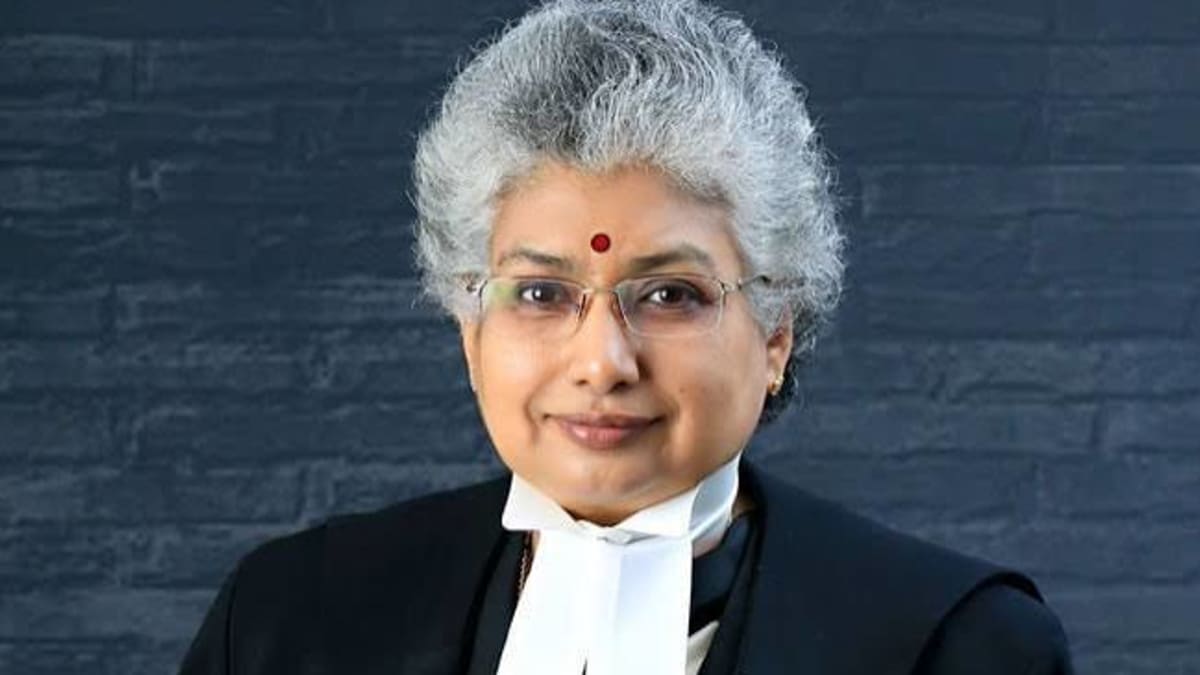

Justice B.V. Nagarathna Set to Become India's First Woman CJI, Creating History
Justice B.V. Nagarathna, a sitting judge of the Supreme Court of India, is poised to etch her name in history as the nation's first woman Chief Justice of India (CJI) in 2027. Her elevation would mark a pivotal moment for gender representation in the country's highest judiciary, following in the illustrious footsteps of her father, former CJI E.S. Venkataramiah.
Historic Ascent to India's Top Judicial Post
Justice Nagarathna's journey to the apex court culminated with her appointment as a Supreme Court judge on August 31, 2021. Prior to this, she served with distinction as a judge of the Karnataka High Court since 2008. While her tenure as CJI is projected to be relatively brief, approximately 36 days, its symbolic significance for women in law and the Indian judiciary is immense. Legal experts and women's rights advocates have long championed greater diversity on the bench, making her impending appointment a landmark achievement.
A Legacy of Justice: Father and Daughter
The prospect of Justice Nagarathna becoming CJI carries a unique familial resonance. Her father, Justice E.S. Venkataramiah, served as the 19th Chief Justice of India from June 1989 to December 1989. This rare occurrence of both father and daughter holding the nation's highest judicial office underscores a remarkable legacy of commitment to justice and public service. According to judicial observers, her upbringing in a household deeply entrenched in legal principles has undoubtedly shaped her judicial philosophy and approach.
Judicial Career and Key Contributions
Throughout her career, Justice Nagarathna has been recognized for her incisive legal acumen and progressive outlook. During her tenure at the Karnataka High Court, she delivered several significant judgments, including those related to commercial law, constitutional matters, and public interest litigation. Her elevation to the Supreme Court brought her expertise to national-level jurisprudence, where she continues to contribute to crucial legal interpretations. Her educational background includes a Bachelor of Arts and a Bachelor of Laws degree, foundational qualifications for her distinguished legal career.
Frequently Asked Questions
Ketan
Editor-in-ChiefPassionate journalist and digital news editor committed to delivering accurate, timely, and fact-checked news.














Comments (0)
Leave a Comment
No comments yet. Be the first to comment!