
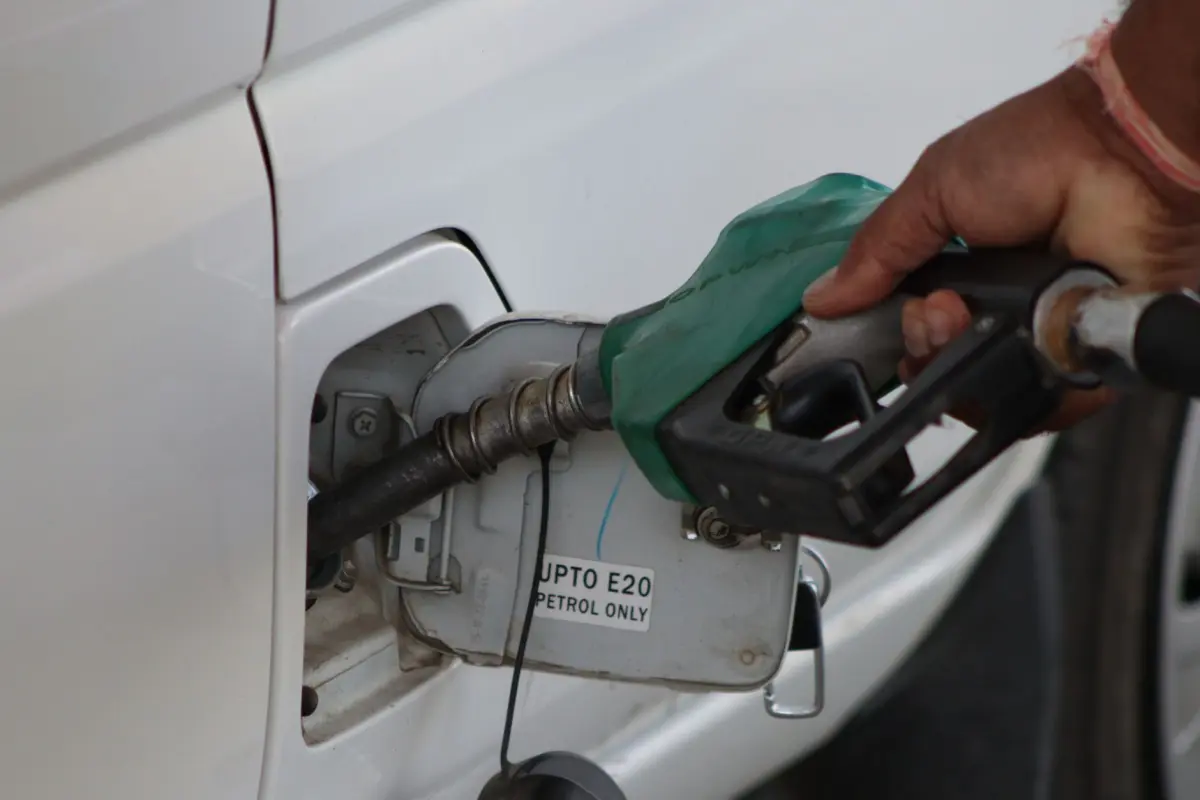

The Indian government has debunked 10 major myths surrounding the E20 petrol blending programme, confirming its safety, environmental benefits, and economic advantages.
- Government issued 10-point clarification on E20 petrol myths.
- E20 blending is backed by scientific trials and international experience.
- Programme delivers major savings on oil imports and supports farmers.
- No major impact on engine performance or mileage observed in tests.
Government Clarifies Facts on E20 Petrol Blending
The Ministry of Petroleum and Natural Gas has released a detailed 10-point response to counter widespread misinformation about India's E20 petrol programme. The initiative blends up to 20% ethanol with petrol to reduce imports, cut emissions, and support farmers.
Key Myths Debunked by the Centre
1. Excessive Water Consumption: Claims suggesting 10,000 litres of water are needed per litre of ethanol are incorrect. Only surplus rice (after food security needs) is used, and distilleries consume just 3-5 litres of processed water per litre of ethanol. Many plants now use Zero Liquid Discharge systems for recycling. Maize, which needs less water, makes up over 40% of feedstock.
2. Untested Fuel: E20 is not experimental. Ethanol blending has been successfully used for decades in countries like the US, Brazil, Canada, Thailand, and several European nations.
3. Engine Damage and Corrosion: Extensive trials by ARAI (over 40,000 km on cars and 20,000 km on two-wheelers) showed no major issues with drivability, fuel efficiency, or material compatibility. Minor rubber part replacements may be needed in older vehicles.
4. Impact on Mileage: Tests revealed only marginal changes in fuel efficiency. Vehicles properly calibrated for E20 can actually benefit from ethanol’s higher octane rating.
More Clarifications on E20 Petrol
The government confirmed that E20 does not void vehicle warranties or insurance for compatible models. Modern vehicles and fuel stations have safeguards against water contamination. Viral claims about insects being attracted to E20 or sugarcane juice being mixed in petrol were dismissed as false – fuel-grade ethanol is properly processed and denatured.
Environmental compliance is strictly enforced through clearances and Zero Liquid Discharge norms. The programme has delivered impressive results: over ₹1.9 lakh crore in forex savings, ₹1.6 lakh crore paid to farmers, significant CO2 reduction, and lower crude oil imports.
India’s Ethanol Blending Success
India achieved the 20% ethanol blending target in December 2025, well ahead of schedule. Production capacity now stands at around 2,000 crore litres annually.
This initiative marks a major step towards energy security, environmental protection, and rural economic growth.
Frequently Asked Questions
Admin
adminPassionate journalist and digital news editor committed to delivering accurate, timely, and fact-checked news.
Related Articles

Latest Articles
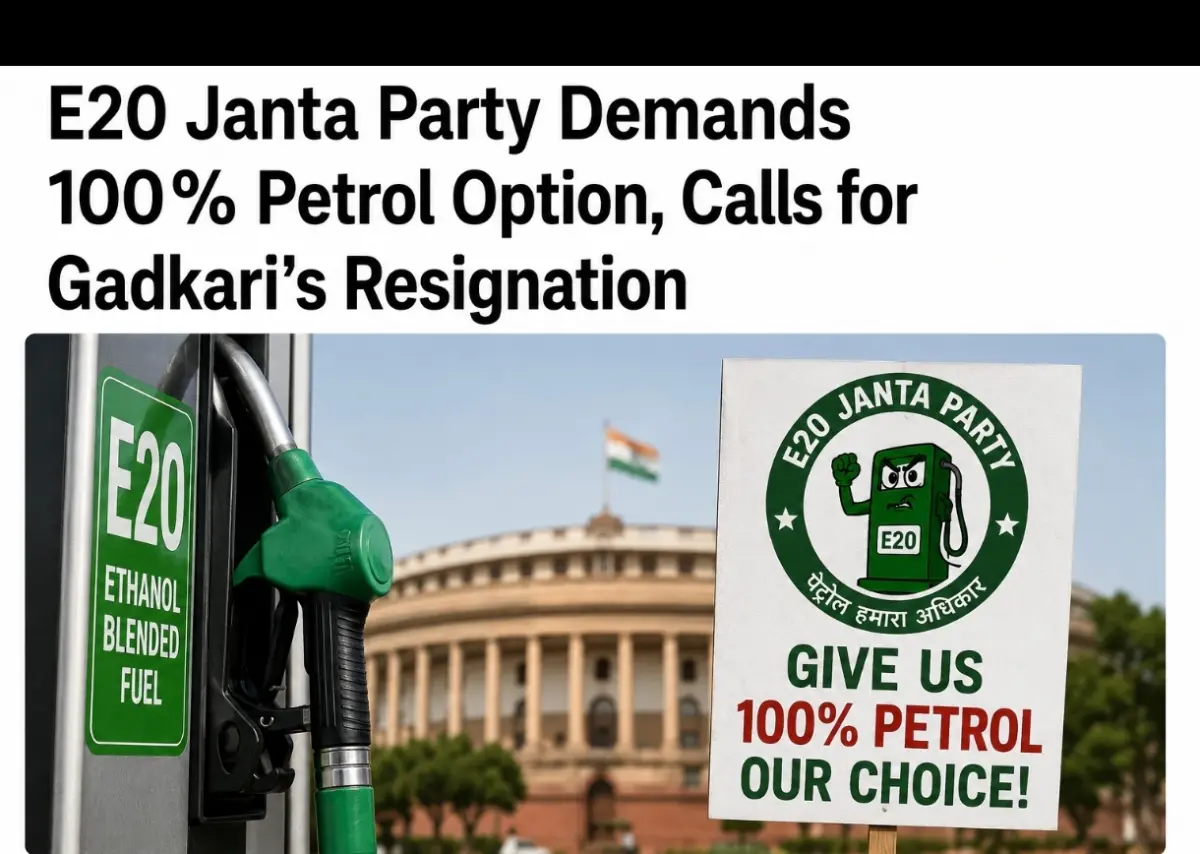
E20 Janta Party: New Online Movement Demands Pure...
Jul 28, 2026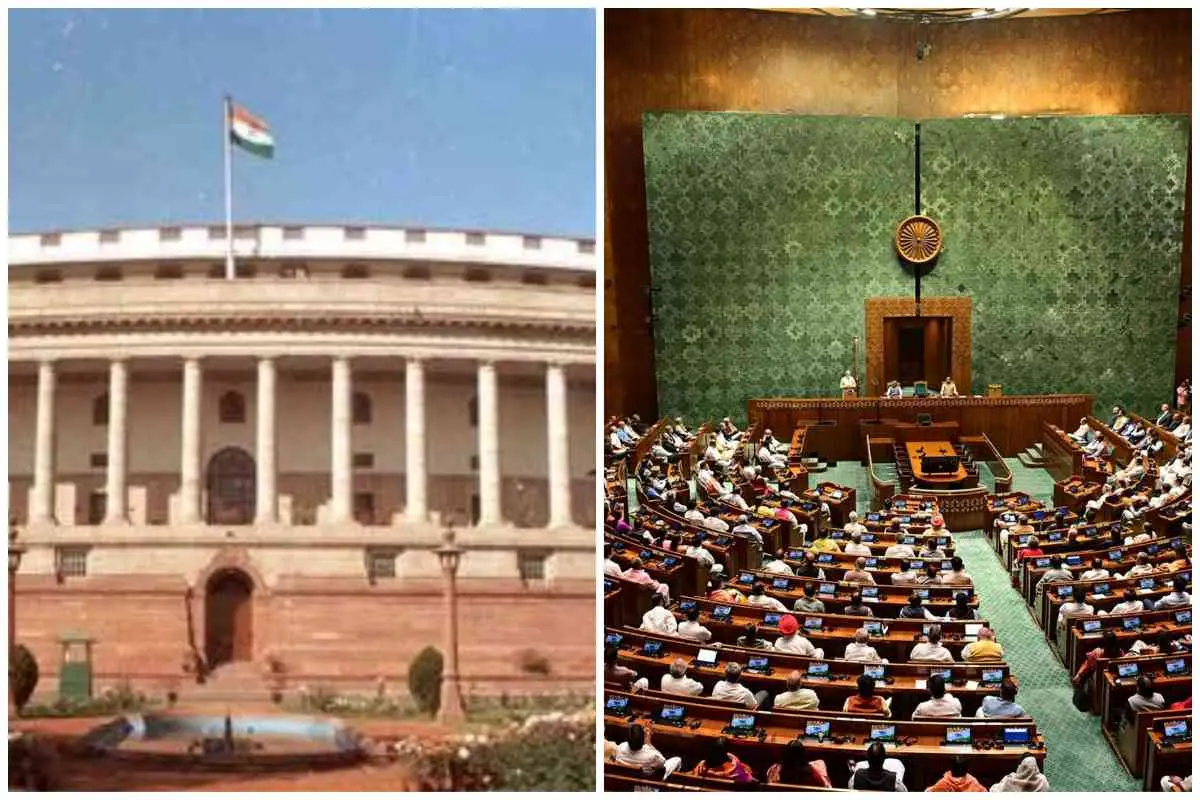
Anti-Paper Leak Bill Tabled in Lok Sabha, Debate o...
Jul 28, 2026
Nvidia in Talks for $250 Billion OpenAI Data Cente...
Jul 27, 2026
Mirabai Chanu Wins Historic Third Straight CWG Gol...
Jul 27, 2026
Comments (0)
Leave a Comment
No comments yet. Be the first to comment!