

Stringent New Exam Fraud Bill Introduced
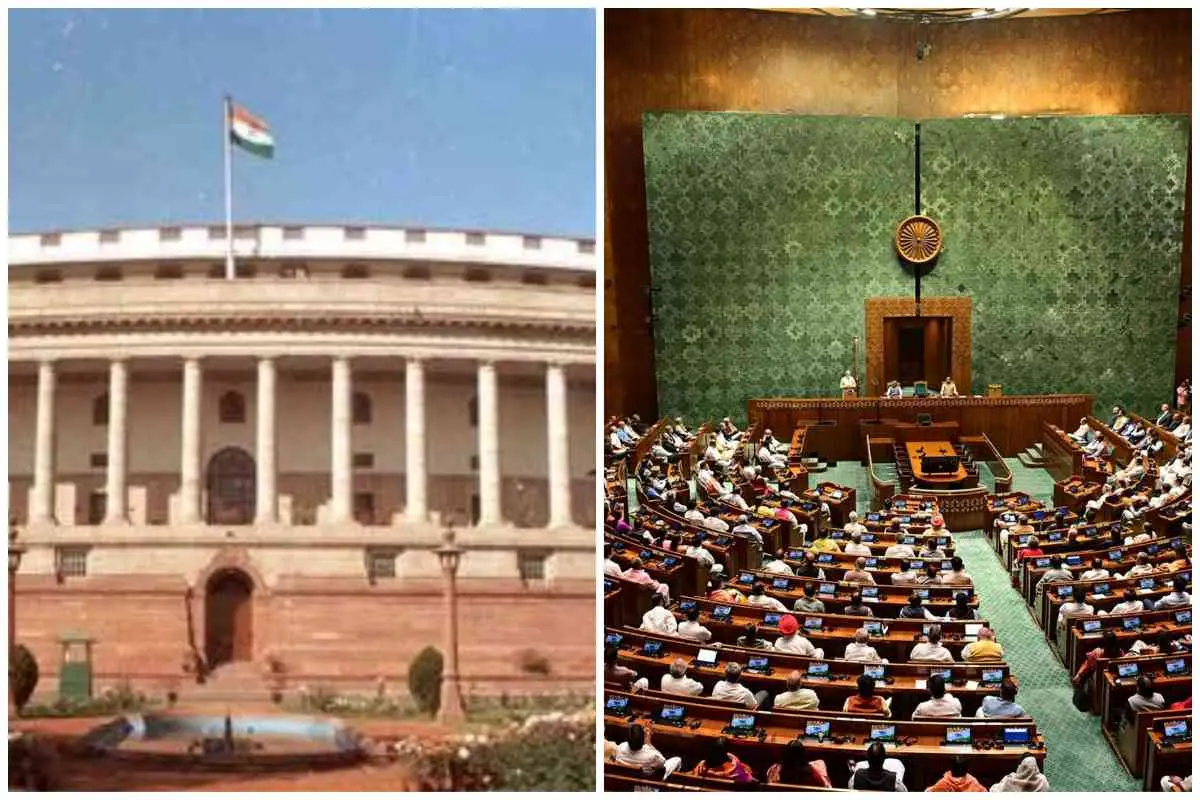
Union Minister of State Dr Jitendra Singh introduced the Public Examinations (Prevention of Unfair Means) Amendment Bill, 2026 in the Lok Sabha on Monday, July 27, aiming to close gaps in the existing 2024 law and impose far tougher penalties on organised examination fraud. The six-page amendment bill was brought by the Ministry of Personnel, Public Grievances and Pensions and is designed to guarantee speedier trials while making paper leaks a crime with serious deterrent consequences.
What the Bill Proposes
Under the amendment, those found guilty of organising paper leaks, along with implicated institutions and service providers, face a maximum jail term of up to 10 years alongside fines of up to Rs 10 crore. Convicted parties can also face seizure and forfeiture of property. The bill is intended to cover competitive examinations relied upon by crores of students appearing for UPSC, SSC, NEET, JEE, railway recruitment and banking exams nationwide.
A Turbulent Passage Through the House
The bill's introduction was anything but smooth. As soon as it was tabled, the Opposition renewed its protest over the NEET-UG paper leak controversy, demanding an apology for police action during the recent nationwide student protests. Proceedings were repeatedly disrupted as Opposition MPs pressed for a separate debate on police conduct and what they called the broader collapse of examination integrity. The impasse was only resolved after an appeal from Speaker Om Birla, following which a full discussion on the bill was scheduled for July 28.
Why the Bill Matters to Students
For the crores of students preparing for India's major competitive examinations, the anti-paper leak law carries deep personal significance. In a country where competitive exams remain among the few reliable paths to upward mobility, each leak is widely seen as an injustice to honest, hardworking candidates who lose out to those able to pay for early access to papers. The bill builds directly on the Public Examinations (Prevention of Unfair Means) Act, 2024, strengthening its enforcement mechanisms in response to a string of major exam scandals, including the NEET-UG paper leak that triggered weeks of protests earlier this year.
What Happens Next
With the bill now formally introduced, all eyes turn to Tuesday's scheduled debate, where the Opposition is expected to press further on both the bill's provisions and the unresolved questions around police conduct during the recent protests. The outcome of that debate will determine how quickly India's tightened anti-paper leak framework can move toward becoming law.
Frequently Asked Questions
Ketan
adminPassionate journalist and digital news editor committed to delivering accurate, timely, and fact-checked news.
Related Articles



Latest Articles

Trump, Tech Giants Ink Voluntary AI Pact Amid Glob...
Oct 01, 2026
Khanna Targets 'Recursive' AI with Landmark Safety...
Oct 01, 2026
Election Commission–SIR Row: INDIA Bloc Announces...
Oct 01, 2026
WHO Unveils Critical Global Guidance to Combat Hea...
Oct 01, 2026
Comments (0)
Leave a Comment
No comments yet. Be the first to comment!