
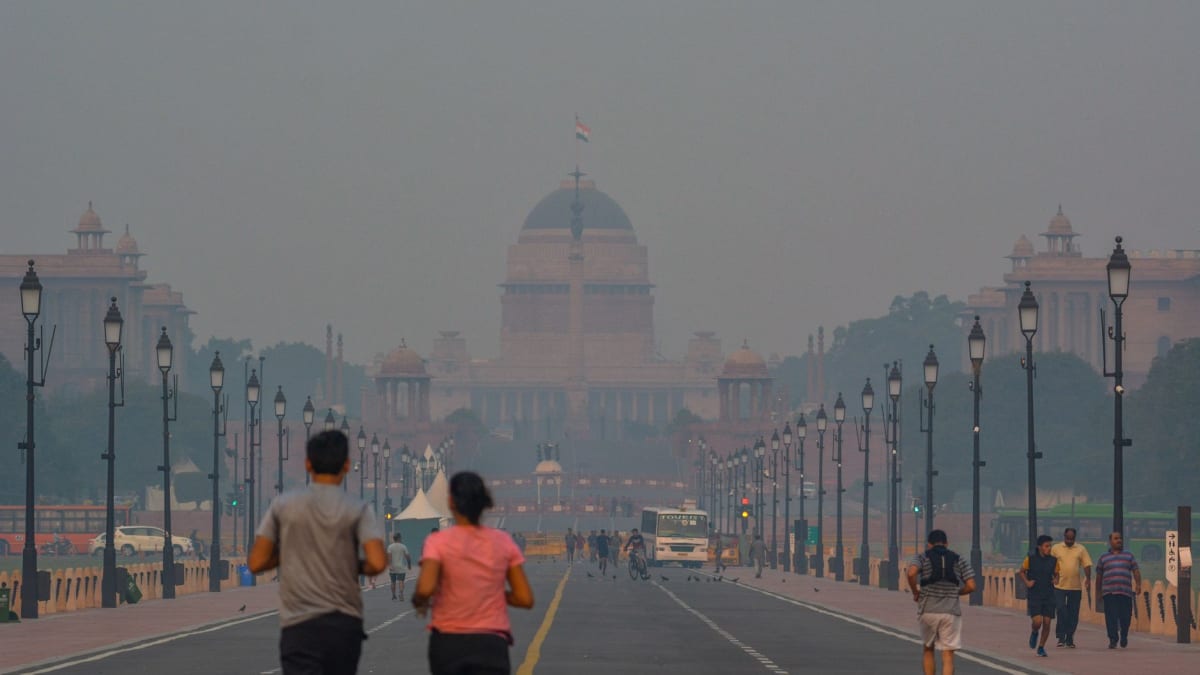

NEW DELHI – The National Capital Region (NCR) has implemented a sweeping set of anti-pollution regulations, including an immediate ban on older petrol and diesel vehicles and a directive for 50% work-from-home (WFH) in private offices. These measures, activated under Stage III of the Graded Response Action Plan (GRAP), come as Delhi's Air Quality Index (AQI) recently soared past the 'Severe' threshold of 400.
Strict Vehicle Ban Across Delhi-NCR
Effective immediately, the Commission for Air Quality Management (CAQM) has prohibited the operation of specific categories of older vehicles across Delhi and its key NCR districts. This includes:
- BS-III petrol vehicles
- BS-IV diesel vehicles
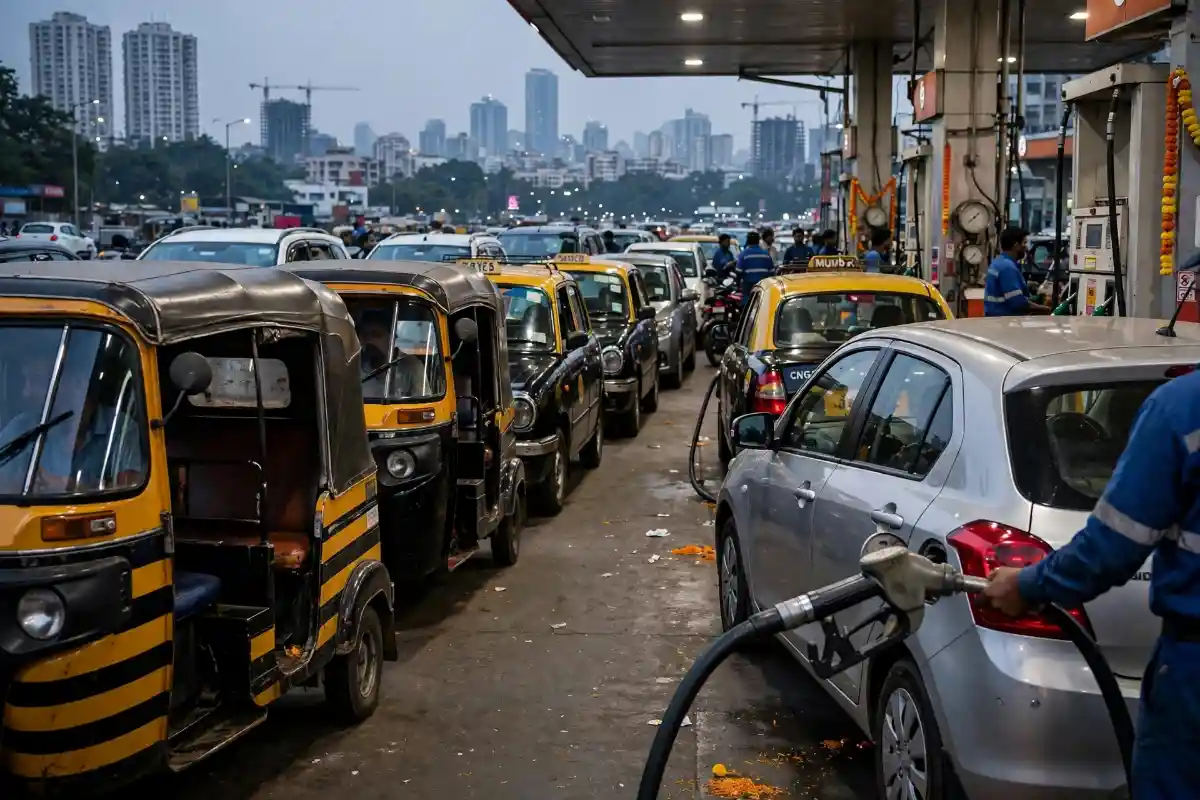
The ban extends beyond Delhi to encompass Gurugram, Faridabad, Ghaziabad, and Gautam Buddh Nagar. Authorities are enforcing these restrictions rigorously to curb vehicular emissions, a significant contributor to the region's deteriorating air quality.
Why GRAP Stage III Was Activated
GRAP Stage III is triggered when the AQI in Delhi-NCR exceeds 400, categorizing the air quality as 'Severe'. According to official data, Delhi's AQI recently registered 402, prompting the CAQM to escalate its response. The primary objective of these intensified measures is to prevent the air quality from further degrading into the 'Severe+' category, which is activated when the AQI crosses 450 (GRAP Stage IV).
Work-From-Home and Commute Curbs
Beyond vehicular restrictions, the new guidelines introduce significant changes to daily commute and work patterns:
- 50% Work-From-Home: State governments in the NCR are directed to decide on implementing a 50% WFH policy for employees in private offices. This advisory aims to reduce traffic congestion and associated emissions.
- Augmented Public Transport: Measures are being taken to enhance public transport services, encouraging citizens to opt for buses and metro over private vehicles.
- Staggered Office Hours: Offices are advised to stagger their working hours to ease peak-hour traffic.
"The activation of GRAP Stage III is a critical step to safeguard public health. We urge all citizens and establishments to comply fully with these directives to collectively combat the severe air pollution crisis," stated a CAQM official, underscoring the urgency of the situation.
Broader Restrictions on Construction and Industrial Activities
The GRAP Stage III framework also imposes a wide array of restrictions on various sectors:
- Construction and Demolition Ban: All non-essential construction and demolition activities are strictly prohibited. This includes earthwork, boring, and piling activities.
- Mining Operations Halted: Mining activities within the region are suspended.
- Industrial Operations: Industries not operating on approved cleaner fuels are banned from functioning. This specifically targets brick kilns, hot mix plants, and stone crushers.
- Dust Control Measures: Authorities are deploying water sprinklers and anti-smog guns more extensively to suppress dust, a major component of particulate matter.
- Firecracker Ban: The ban on firecrackers remains in strict enforcement.
These comprehensive measures reflect a concerted effort by environmental authorities to mitigate the severe health risks posed by the alarming levels of air pollution in Delhi-NCR. Compliance from residents and businesses will be crucial in determining the effectiveness of these interventions.
Frequently Asked Questions
Ketan
Editor-in-ChiefPassionate journalist and digital news editor committed to delivering accurate, timely, and fact-checked news.








Comments (0)
Leave a Comment
No comments yet. Be the first to comment!