
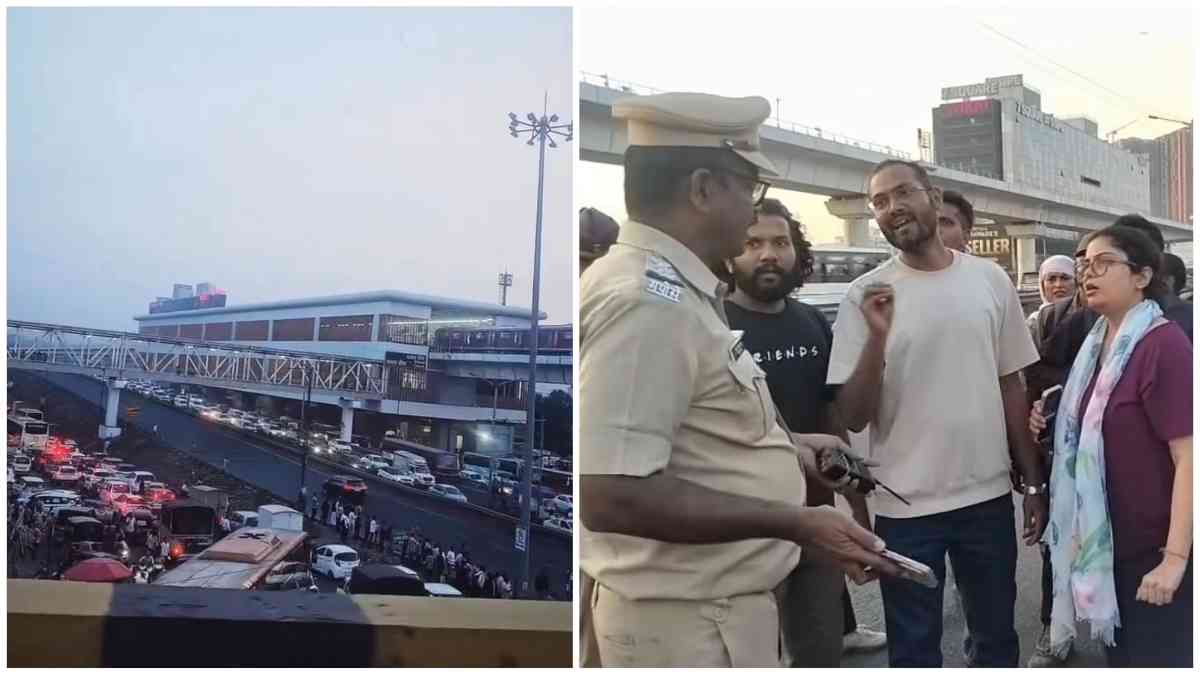

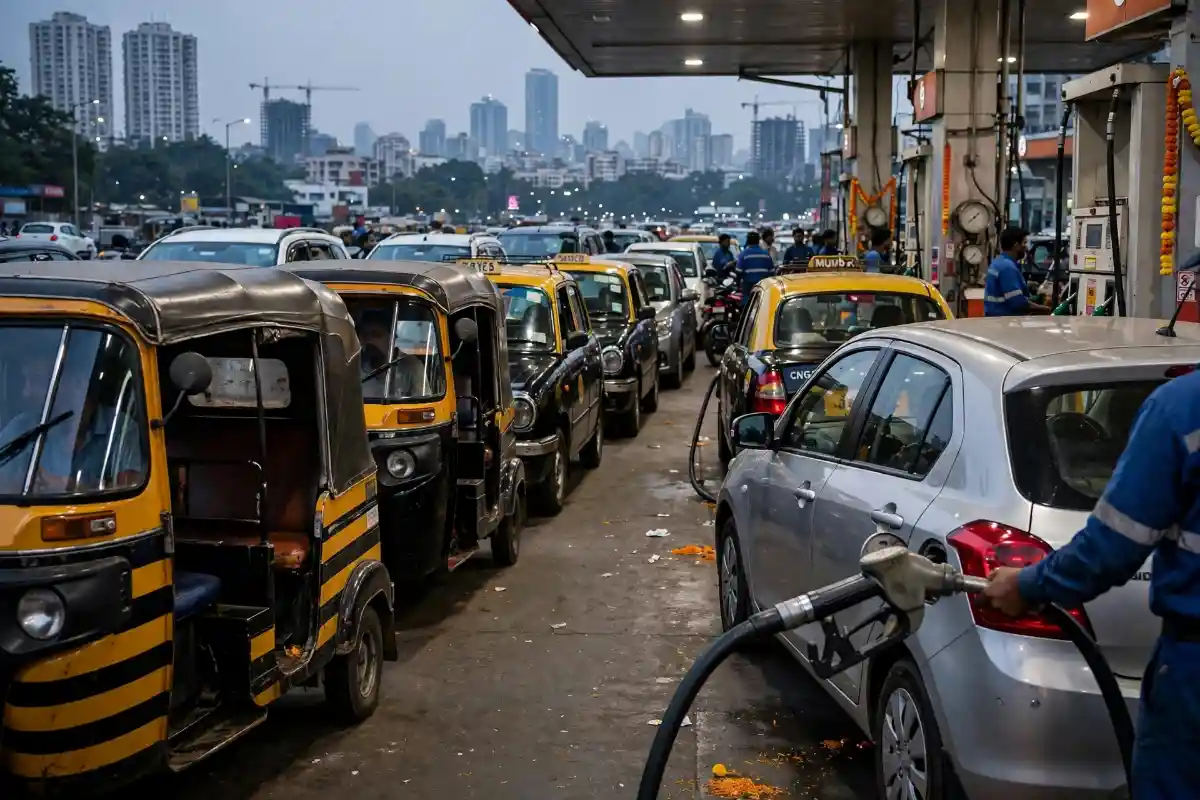
PUNE, November 16, 2026: Extensive security arrangements and traffic restrictions during Union Home Minister Amit Shah’s two-day visit to Pune on November 15 and 16 disrupted movement across Pune, Pimpri-Chinchwad, and surrounding arterial highways. Long delays, road closures, and sudden diversions left daily commuters struggling to reach their homes and workplaces, renewing a fundamental civic question: why must ordinary citizens bear such a heavy burden every time a VIP convoy moves through their city?
The core issue is not whether senior constitutional office-holders require legitimate security. Their safety is essential. Rather, the debate centers on administrative accountability and whether security protocols must routinely bring the daily lives of thousands of taxpayers—who rely on public roads for work, education, and healthcare—to a complete standstill.
Why Should an Entire City Be Disrupted for a VIP Convoy?
For ordinary residents, public roads serve as vital lifelines connecting homes, workplaces, hospitals, and schools. During the two-day visit, commuters reported severe congestion and movement curbs across major transit corridors, including the Mumbai-Pune Expressway, the old Mumbai-Pune Highway, and adjoining bypass links.
According to commuter accounts, residents traveling near Dehu Road and Talegaon faced significant delays due to police deployments and highway diversions. One Hinjawadi resident reported spending more than two hours traveling home with family on Sunday evening because of traffic holds and green corridor arrangements for the convoy. When authorities plan VIP movements well in advance, commuters question why they are left to discover road closures only after being trapped in gridlock.
Office-Goers Face Monday Morning Delays
The traffic disruptions extended into Monday morning, affecting weekday office travel. A commuter traveling from Mundhwa to Deccan reported major difficulties reaching the workplace on time, expressing concern over facing similar bottlenecks during the evening return journey.
For employees in private firms, healthcare facilities, retail establishments, and essential services, timely arrival is non-negotiable. Unannounced delays translate into lost working hours, missed appointments, and professional penalties. While some residents suggested advance work-from-home advisories for affected zones, critics argue that citizens should not have to reorganize their livelihoods around road closures when better traffic coordination could prevent gridlock.
Taxpayers Have Rights Too: Balancing Security and Public Convenience
Public roads and urban infrastructure are built and maintained using public funds contributed by taxpayers. While high-level security deployments require temporary operational controls, treating widespread public inconvenience as an unavoidable side effect undermines civic accountability. When major arteries close without clear, advance diversion schedules, medical appointments are missed, students face delays, and families remain stranded.
| Civic Area | Current VIP Movement Challenge | Recommended Administrative Reform |
|---|---|---|
| Public Communication | Commuters discover closures after entering gridlock | Mandatory advance advisories detailing exact closure windows and alternate routes |
| Corridor Management | Extended halts across multiple connecting highways | Strictly time-bound restrictions with functional parallel diversion corridors |
| Emergency Services | Risk of ambulances and urgent transport getting stuck | Dedicated, uninterrupted clearance lanes for emergency vehicles |
| Institutional Review | No public audit of commuter delays post-visit | Post-event traffic coordination review to reduce future disruptions |
What Should the Administration Do Differently?
Addressing VIP traffic disruption does not require compromising security protocols; it requires structured administrative planning and accountability. Authorities should implement six practical measures for future official visits:
- Advance Public Announcements: Publish clear schedules of road closures, expected durations, and alternate routes through official traffic police channels well ahead of convoy movement.
- Functional Diversion Plans: Coordinate between security agencies and local traffic units to keep parallel routes clear and navigable wherever security parameters permit.
- Time-Bound Restrictions: Limit road halts strictly to the operational window required for convoy passage rather than prolonged pre-emptive closures.
- Guaranteed Emergency Access: Ensure ambulances, medical personnel, and emergency responders are never delayed at barricades.
- Transparent Accountability: Communicate the rationale behind major arterial closures and provide real-time traffic updates during active movements.
- Post-Event Traffic Audits: Review congestion bottlenecks and coordination gaps after major visits to improve future crowd and traffic management.
The Question Is Bigger Than One Visit
Amit Shah’s Pune visit has once again highlighted the persistent friction between VIP security protocols and everyday public convenience. While commuter accounts point to severe on-ground delays across Pune and Pimpri-Chinchwad, a complete evaluation also depends on official traffic police data regarding closure durations and diversion planning.
Citizens are not mere bystanders on public roads; they are taxpayers, workers, students, and patients whose responsibilities do not pause for official convoys. Security is necessary, and administrative coordination is vital—but in a democracy, public convenience must be treated as a core administrative duty rather than an afterthought.
Frequently Asked Questions
Ketan
Editor-in-ChiefPassionate journalist and digital news editor committed to delivering accurate, timely, and fact-checked news.








Comments (0)
Leave a Comment
No comments yet. Be the first to comment!