
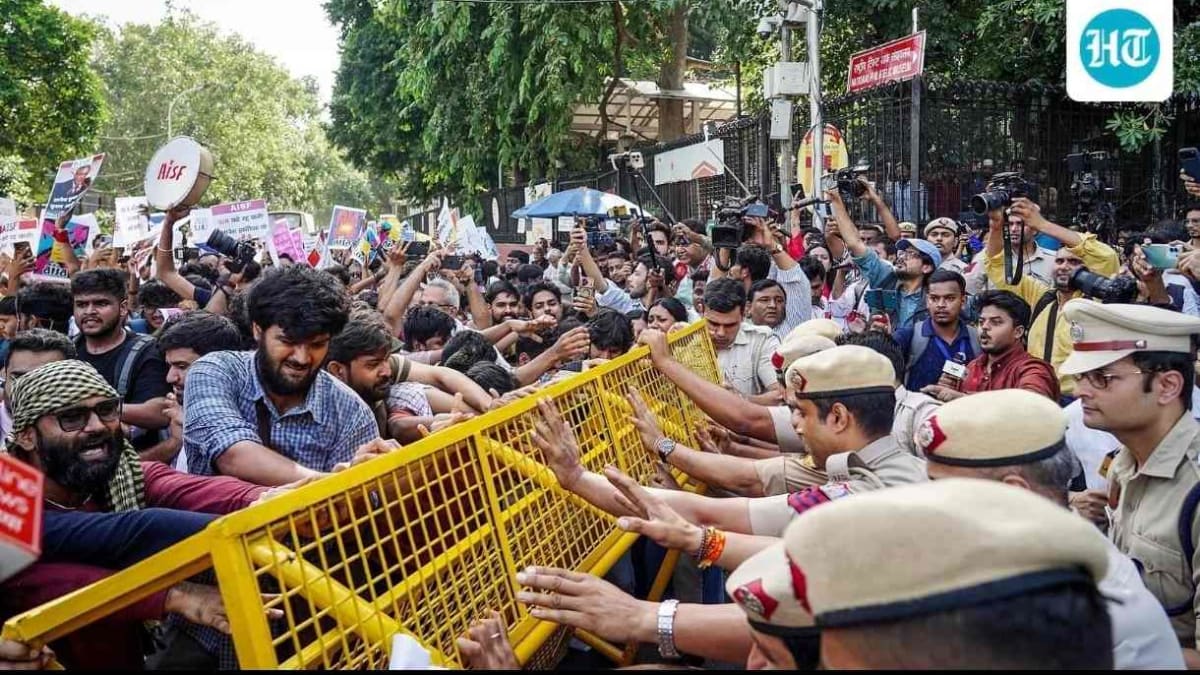

New Delhi, October 11, 2026: The Cockroach Janta Party (CJP) has called for renewed demonstrations at Jantar Mantar, keeping pressure on Chief Election Commissioner Gyanesh Kumar over alleged irregularities in the Special Intensive Revision (SIR) of electoral rolls. The fresh mobilisation follows the detention of protesters and extensive security restrictions across the national capital on October 10.
The developments have intensified a debate over the balance between public order and the constitutional right to peaceful assembly. The Supreme Court has questioned restrictions affecting public transport and directed authorities to address curbs on Metro, railway and internet services, while seeking a response from the government.
Supreme Court questions the scale of restrictions
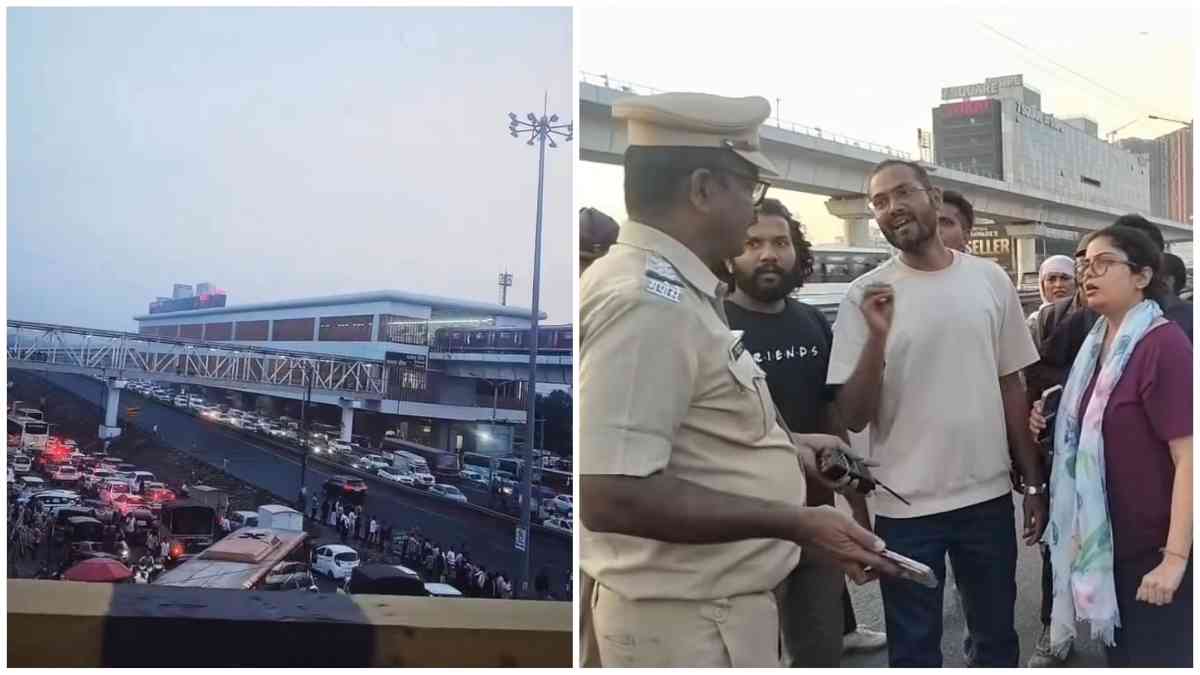
The court's intervention followed concerns over restrictions imposed ahead of the planned demonstration. Measures reported during the security operation included closures or access restrictions at Metro stations, disruptions to rail services and a temporary mobile internet suspension in parts of central Delhi.
The court stressed the importance of proportionality and public convenience. Its intervention puts the focus on whether measures intended to prevent disorder were appropriately limited or imposed unnecessary hardship on commuters and other residents.
The court has sought a government response by Tuesday. The proceedings should not be interpreted as a final ruling on every aspect of the police action; the legality and justification of individual measures remain matters for examination.
Detentions overshadow the planned demonstration
On October 10, Delhi Police detained protesters and organisers at several locations as authorities sought to prevent large groups from reaching Jantar Mantar. CJP leaders Abhijeet Dipke, Saurav Das and Ashutosh Ranka were among those detained after arriving in the capital. Other activists, political figures and content creators were also reported to have been taken into custody.
Reports published during the operation gave different totals for the number of people detained or released. Those figures should therefore be attributed to individual reports rather than treated as one final, verified count. The three CJP leaders were later reported released by an executive magistrate, subject to a condition to maintain peace for one year.
With access to the main protest site restricted, smaller groups reportedly staged demonstrations at other locations in Delhi. The episode also disrupted the movement of ordinary residents, raising questions about the wider impact of security measures.
Why is CJP protesting?
The CJP and supporting groups are demanding the resignation of Chief Election Commissioner Gyanesh Kumar. They have raised concerns about the Election Commission's Special Intensive Revision of electoral rolls and alleged voter exclusions or irregularities.
These claims are central to the protesters' campaign, but allegations of electoral manipulation should not be presented as established fact without supporting evidence or an authoritative finding. The Election Commission's processes and the specific claims raised by critics require scrutiny based on verifiable records and responses from the relevant authorities.
Peaceful assembly and public order
Article 19(1)(b) of the Constitution of India guarantees citizens the right to assemble peaceably and without arms. The right is subject to reasonable restrictions under Article 19(3), including restrictions connected with public order. It is therefore neither an unlimited right nor a permission for authorities to impose any restriction without justification.
The key issue is whether each measure is lawful, necessary and proportionate to the specific risk identified. Authorities have a responsibility to protect public safety, while protesters must comply with lawful restrictions. Any action taken against individuals should have a clear legal basis and remain open to appropriate scrutiny.
Questions that still need answers
- What specific and documented risks justified the restrictions imposed on public transport and access to protest areas?
- Were less disruptive alternatives available to manage crowds and maintain public order?
- What legal grounds were invoked for individual detentions, and were the required procedures followed?
- How will authorities demonstrate compliance with the Supreme Court's directions and explain the effects on commuters?
- What evidence supports or refutes the allegations concerning the revision of electoral rolls?
As the legal proceedings continue and the CJP seeks to sustain its agitation, the central challenge is to protect both public order and civil liberties. Security arrangements should be based on demonstrable risks, while allegations about electoral processes should be addressed through transparent evidence and accountable institutions. The answers will matter not only to the protesters but also to residents whose daily lives were affected by the restrictions.
Frequently Asked Questions
Ketan
Editor-in-ChiefPassionate journalist and digital news editor committed to delivering accurate, timely, and fact-checked news.






Comments (0)
Leave a Comment
No comments yet. Be the first to comment!