

Dussehra Delicacies: A Culinary Journey Across India's Festive Tables
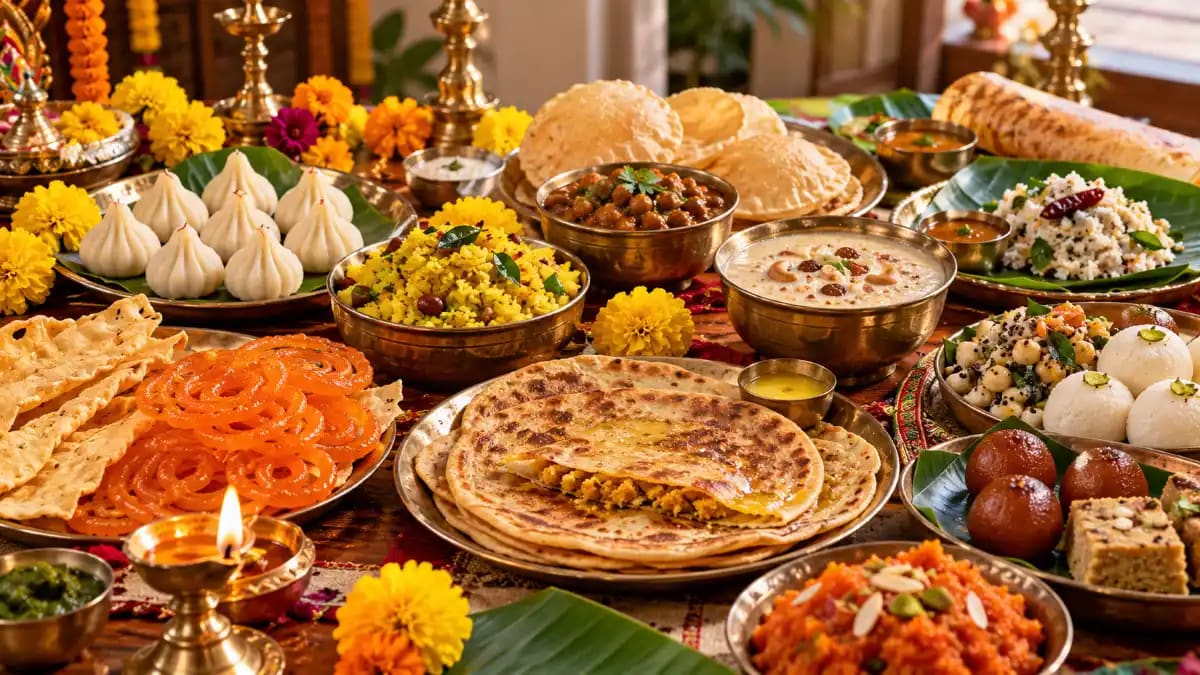
Across India, the culmination of the nine-day Navratri festival into Dussehra, or Vijayadashami, ignites a vibrant culinary tradition where kitchens become the heart of elaborate preparations. This annual observance, symbolizing the triumph of good over evil, sees a diverse array of sweet desserts and traditional dishes meticulously prepared as offerings to gods and goddesses, reflecting the unique gastronomic heritage of each region.
The Pan-Indian Feast: Regional Flavours of Victory
While the spirit of celebration is universal, the specific dishes gracing Dussehra tables vary dramatically from state to state, each carrying historical significance and local flavour. These culinary traditions are not merely about sustenance but are deeply interwoven with rituals, community bonding, and seasonal agricultural cycles.
- North India (Uttar Pradesh, Delhi, Punjab): The festive season here is often marked by the crisp, syrup-soaked Jalebi, frequently paired with creamy Rabri. Other popular items include various types of Halwa (semolina, carrot), and savory snacks like Samosas and Kachoris, particularly during the Ramlila festivities leading up to Ravana Dahan.
- West Bengal (Bijoya Dashami): Following the grand Durga Puja, Bijoya Dashami is celebrated with an abundance of 'Mishti' (sweets). Iconic Bengali sweets like Sandesh, Rosogolla, and Mishti Doi are ubiquitous. Savory delights include Luchi (fried flatbread) with Alur Dom (spicy potato curry) or Cholar Dal (chickpea lentil curry), served during family gatherings and greetings.
- Maharashtra: The Maharashtrian Dussehra table often features Puran Poli, a sweet flatbread stuffed with a jaggery and lentil mixture, often served with ghee. Other delicacies include Shrikhand (strained yogurt dessert) and Basundi (sweetened condensed milk). The festival also includes Ayudha Puja, where tools and vehicles are worshipped, often accompanied by simple, wholesome meals.
- Gujarat: Gujaratis celebrate with a unique combination of sweet and savory: the crispy, fried Fafda (gram flour snack) with the sweet, syrupy Jalebi. Khaman Dhokla and various sweets made from milk and dry fruits are also popular, especially after the Navratri Garba celebrations.
- South India (Karnataka, Andhra Pradesh, Telangana, Tamil Nadu): In states like Karnataka, Dussehra (Mysuru Dasara) is grand. Culinary highlights include Mysore Pak, a rich ghee-laden sweet, various types of Payasam (kheer), and savory Sundal (chickpea salad). Ayudha Puja is a significant component, where tools, books, and vehicles are worshipped, often accompanied by simple, traditional meals and sweets. The 'Golu' or 'Bommai Kolu' (doll display) in Tamil Nadu also features specific offerings.
- Odisha: Traditional Odia sweets like Chhena Poda (baked cheese cake) and Rasabali (fried cheese patties soaked in milk) are popular during this period, alongside various Pithas (rice cakes).
Historical Context and Cultural Resonance
The culinary traditions of Dussehra are rooted in ancient Vedic practices, where offerings (naivedyam) were made to deities to seek blessings for prosperity and well-being. Over millennia, these practices evolved, incorporating regional agricultural produce, local culinary techniques, and influences from various historical periods. The choice of ingredients often reflects seasonal availability, with fresh grains, milk products, and seasonal fruits playing a significant role.
"The preparation of these specific dishes is more than just cooking; it's a ritualistic act that connects generations, preserves ancestral recipes, and reinforces community bonds. Each ingredient, from jaggery symbolizing sweetness to lentils representing sustenance, carries a deeper cultural meaning," notes Dr. Priya Sharma, a cultural historian specializing in Indian festivals.
The festival's dual significance – the victory of Lord Rama over Ravana and Goddess Durga over Mahishasura – is often reflected in the communal feasting that follows the rituals, symbolizing shared joy and renewed hope.
What This Means for Citizens / The Sector
The Dussehra festive season represents a significant economic and cultural event for India. For citizens, it's a period of family reunions, cultural immersion, and the enjoyment of traditional foods that are often prepared only once a year. It reinforces a sense of identity and belonging.
Economic Impact: A Sweet Boost
- Sweet Shops & Bakeries: Experience a surge in demand, often seeing sales increase by 50-70% compared to non-festive periods. This necessitates hiring temporary staff and increasing production capacity.
- Agricultural Sector: Farmers benefit from increased demand for essential ingredients like milk, sugar, ghee, flour, pulses, and spices. This translates into higher prices and better income for producers.
- Small Businesses: Local vendors selling festive decorations, puja items, and traditional attire also see a significant uptick in business.
- Food Tourism: The unique regional culinary offerings during Dussehra also attract domestic tourists, further boosting local economies.
Cultural Preservation & Food Security
Beyond economics, these culinary traditions play a crucial role in cultural preservation. They ensure the continuity of traditional recipes and cooking methods, passing them down through generations. Moreover, the emphasis on fresh, seasonal ingredients indirectly supports local food systems and promotes awareness of indigenous produce.
However, the festive season also brings challenges related to food safety. Authorities often issue advisories to ensure hygiene standards are maintained in sweet shops and eateries, especially given the high volume of perishable items like milk-based sweets. The Food Safety and Standards Authority of India (FSSAI) typically intensifies checks during such periods to safeguard public health.
Looking Ahead: Modern Adaptations and Enduring Traditions
While traditional dishes remain central, modern adaptations are also emerging, with fusion sweets and healthier versions gaining popularity, especially among urban populations. Yet, the core essence of Dussehra cuisine – offerings of devotion and shared celebration – continues to thrive, cementing its place as an integral part of India's rich cultural and culinary heritage.
Frequently Asked Questions
Ketan
Editor-in-ChiefPassionate journalist and digital news editor committed to delivering accurate, timely, and fact-checked news.














Comments (0)
Leave a Comment
No comments yet. Be the first to comment!