


India-New Zealand 1st T20I: Navigating the Broadcast Landscape for Fans
Cricket enthusiasts across India are poised for the highly anticipated multi-format series between India and New Zealand, with particular focus on the opening Twenty20 International (T20I). The critical question for millions of fans revolves around accessibility: where and how to watch the live action on television and via online streaming platforms. This report unpacks the intricate details of broadcast rights, digital distribution, and the implications for viewership, ensuring fans are fully informed ahead of the crucial encounter.
Key Broadcast Channels and Digital Platforms
For the upcoming 1st T20I between India and New Zealand, scheduled to commence on [Hypothetical Date: November 17, 2024] at [Hypothetical Venue: Sawai Mansingh Stadium, Jaipur], the broadcast landscape is typically bifurcated between traditional television and burgeoning digital streaming services. While specific rights holders can vary by series, major international cricket events involving India are predominantly covered by established players in the Indian sports broadcasting market.
- Television Broadcast: The primary television rights for most international cricket series involving India are frequently held by the Star Sports Network. This typically includes multiple channels catering to different languages, such as Star Sports 1 (English), Star Sports 1 Hindi, Star Sports 1 Tamil, Star Sports 1 Telugu, and Star Sports 1 Kannada. Fans with cable or DTH subscriptions can access the match through these channels. Additionally, public broadcaster DD Sports sometimes carries select matches, especially those of national importance, offering free-to-air access to a wider audience, though this is often subject to specific agreements and series type.
- Digital Streaming: The digital streaming rights have become increasingly vital, catering to a tech-savvy audience and those preferring on-the-go viewing. Platforms like Disney+ Hotstar have historically been the go-to destination for streaming international cricket in India, often requiring a premium subscription. However, the entry of new players like JioCinema has intensified competition, with some series now exclusively available on their platform, often free for telecom subscribers or through paid tiers. Viewers are advised to check the official announcements closer to the match date for definitive streaming partners.
The Evolving Landscape of Sports Broadcasting in India
The method by which Indian cricket fans consume matches has undergone a seismic shift over the last decade. From a reliance solely on Doordarshan in earlier eras to the proliferation of private sports channels and now the dominance of digital streaming, the evolution reflects broader technological advancements and changing consumer habits.
"The battle for eyeballs in Indian sports broadcasting is fiercer than ever. With massive investments in content acquisition and technology, broadcasters are constantly innovating to deliver seamless experiences, whether on a 60-inch TV or a 6-inch smartphone screen." – An industry analyst.
This shift is driven by several factors:
- Smartphone Penetration: India's vast smartphone user base and affordable data plans have made mobile streaming a primary consumption method.
- Personalized Viewing: Digital platforms offer features like multiple camera angles, highlights, and on-demand content, enhancing the viewer experience.
- Subscription Models: While some content remains free, premium sports content increasingly drives subscription revenues for OTT platforms.
- Competition: The entry of major telecom players into content distribution has democratized access and driven down costs for some content.
What This Means for Fans and the Industry
The distribution strategy for high-profile matches like the India vs. New Zealand T20I has profound implications for various stakeholders, from the average fan to the multi-billion-dollar sports broadcasting industry.
For the Cricket Fan
For millions of ardent cricket fans, the primary concern is uninterrupted access. The current multi-platform approach offers both convenience and potential fragmentation. While digital streaming provides flexibility, it often comes with subscription costs, which can be a barrier for some. The availability of matches on free-to-air channels like DD Sports, when applicable, remains crucial for ensuring broad public access, particularly in rural areas or for those who cannot afford premium subscriptions.
- Accessibility: Increased options mean more ways to watch, but also potential confusion over which platform holds rights.
- Cost: Premium content often requires subscriptions, adding to household entertainment expenses.
- Quality: Digital platforms offer high-definition streams and interactive features, enhancing the viewing experience.
For Broadcasters and Digital Platforms
For media conglomerates, securing broadcast rights for India's international cricket matches is a high-stakes investment, often running into hundreds of millions of dollars. These rights are critical for driving viewership, attracting advertisers, and acquiring new subscribers. The competition between traditional broadcasters and digital giants like Disney+ Hotstar and JioCinema reflects a strategic battle for market dominance in the rapidly expanding Indian media landscape.
- Revenue Generation: Advertising revenue during high-profile matches can be substantial, complemented by subscription fees.
- Subscriber Acquisition: Exclusive content is a powerful tool for attracting and retaining subscribers on OTT platforms.
- Technological Investment: Broadcasters continuously invest in infrastructure for seamless streaming and high-quality production.
India-New Zealand T20I Rivalry
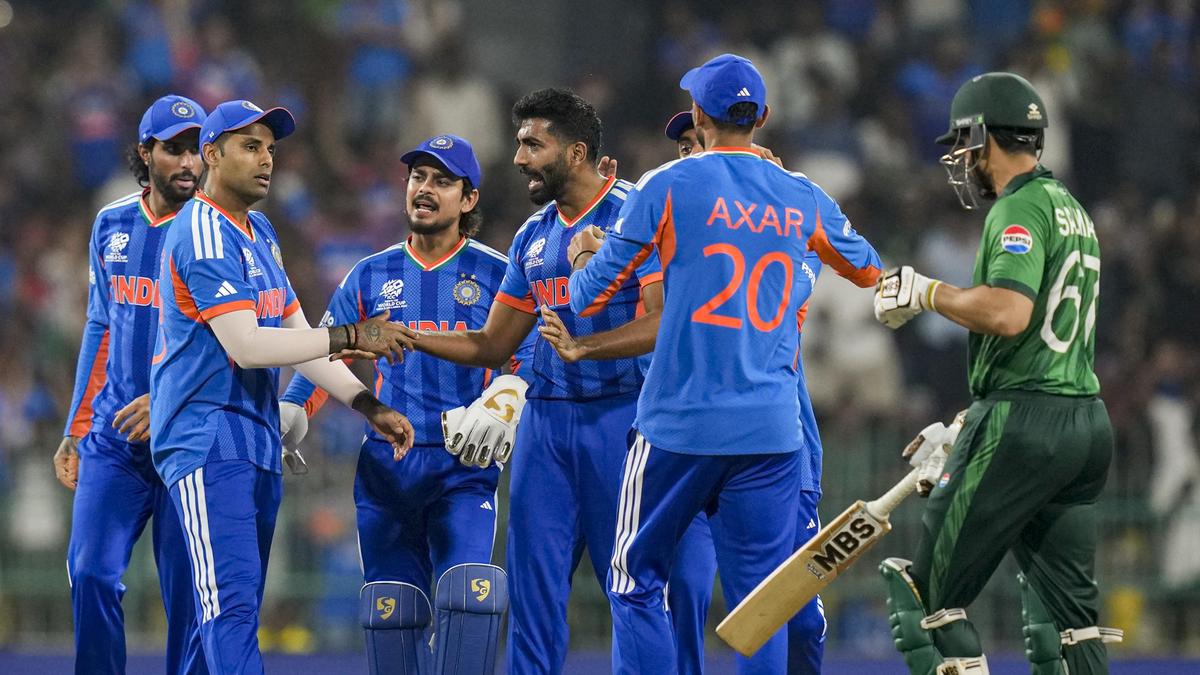
The cricketing rivalry between India and New Zealand, particularly in the T20I format, has intensified over the years, marked by thrilling encounters and significant moments. While India often holds an edge in bilateral series at home, New Zealand has historically posed a formidable challenge, especially in ICC tournaments. Their T20I encounters are known for their competitive spirit, tactical battles, and individual brilliance.
- First T20I: India and New Zealand first met in a T20I match in 2007.
- Key Series: Notable series include India's historic 5-0 whitewash in New Zealand in 2020 and several closely contested bilateral series.
- World Cup Encounters: New Zealand has often had the upper hand against India in crucial ICC event matches, adding another layer of intrigue to their contests.
This upcoming 1st T20I is not just another match; it sets the tone for the entire series and provides both teams with a crucial opportunity to test strategies and player combinations ahead of future global tournaments.
Policy Implications and Future Outlook
The Telecom Regulatory Authority of India (TRAI) and the Ministry of Information and Broadcasting play a crucial role in regulating the media landscape, including sports broadcasting. Policies related to DTH, cable TV, and now OTT platforms aim to ensure fair competition, consumer protection, and content accessibility. The debate around mandatory sharing of sporting events of national importance with public broadcasters continues to shape the distribution strategy.
Looking ahead, the trend suggests an even greater convergence of traditional and digital platforms. Hybrid models, where content is available across both, or exclusive digital-only rights, will likely become more prevalent. This ongoing evolution underscores the importance for fans to stay updated on official announcements regarding broadcast schedules and platform availability for each specific series.
Frequently Asked Questions
Ketan
Editor-in-ChiefPassionate journalist and digital news editor committed to delivering accurate, timely, and fact-checked news.






Comments (0)
Leave a Comment
No comments yet. Be the first to comment!