
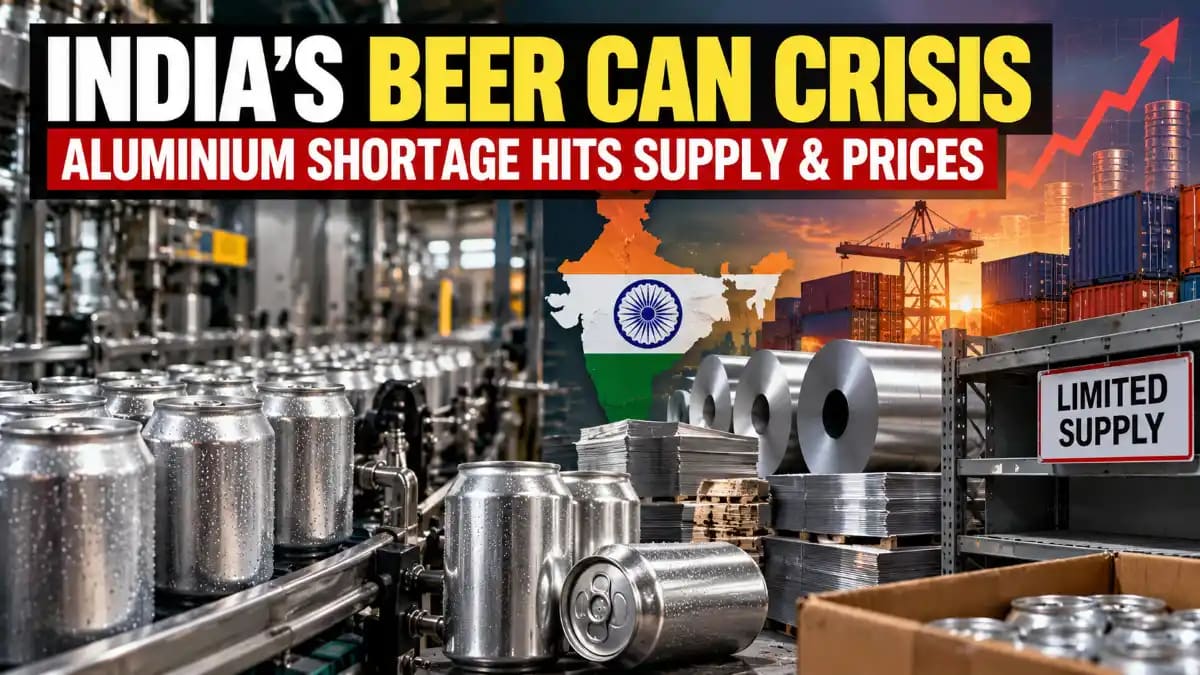

India's Beer Can Crisis: Aluminum Shortage Threatens Breweries, Hits Consumers
India's burgeoning alcoholic beverage market is currently grappling with an acute shortage of aluminum beer cans, a development that has sent ripples of concern through both the industry and among consumers. This scarcity, primarily attributed to a confluence of surging global aluminum prices and persistent supply chain disruptions, is forcing breweries to recalibrate production strategies and is expected to translate into higher retail prices and reduced product availability across the nation.
The Aluminum Squeeze: Root Cause of the Crisis
At the heart of the current crisis lies the escalating cost and limited availability of aluminum, the primary raw material for beverage cans. Global aluminum prices have witnessed a significant upward trajectory over the past year, fueled by several factors including:
- Increased Global Demand: A post-pandemic surge in demand across various industries, from automotive to packaging, has strained existing supplies.
- Energy Price Hikes: Aluminum production is highly energy-intensive, and rising global energy costs have directly impacted manufacturing expenses.
- Geopolitical Tensions: International conflicts and trade restrictions have further complicated the global supply chain for key metals.
- Logistical Bottlenecks: Persistent issues in international shipping and freight have delayed raw material deliveries to manufacturers.
Industry insiders suggest that can manufacturers in India are struggling to secure adequate quantities of aluminum sheets at viable prices, leading to a bottleneck in can production.
"The cost of aluminum has become exceptionally volatile, making long-term procurement planning a nightmare for can makers," a senior executive from a leading packaging firm, who wished to remain anonymous, told Digital Bharat Times. "This directly impacts our ability to supply breweries consistently."
Brewers Grapple with Production Hurdles
The ripple effect of the can shortage is most acutely felt by beer manufacturers. Many breweries, particularly those reliant on cans for a significant portion of their sales, are reportedly facing:
- Production Cuts: Several major and craft breweries have been forced to reduce their canning line operations, impacting overall production volumes.
- Shift to Bottles: Some brewers are attempting to pivot towards glass bottles, but this shift is not without its challenges, including different packaging infrastructure, higher transportation costs, and potential changes in consumer preference.
- Delayed Launches: New product launches or seasonal offerings packaged in cans are being postponed or scaled back.
Sources close to leading Indian breweries indicate that the situation is particularly challenging for brands that have heavily invested in the convenience and portability offered by canned packaging, especially in urban markets and for on-the-go consumption.
Consumers Face Higher Prices, Limited Choices
For the average beer enthusiast, the crisis translates into tangible inconveniences. Reports from various retail outlets across major cities suggest:
- Reduced Availability: Popular canned beer brands are frequently out of stock, or their availability is sporadic.
- Price Hikes: As production costs rise and supply dwindles, retailers are beginning to pass on increased expenses to consumers. Analysts predict a potential 5-10% increase in canned beer prices in the coming months.
- Limited Variety: Consumers may find their preferred brands or specific can sizes unavailable, forcing them to opt for alternatives or bottled versions.
This situation is particularly concerning for the younger demographic and those who prefer the convenience and environmental benefits often associated with aluminum cans.
Industry Navigates a Volatile Future
While the immediate future appears challenging, the Indian beer industry is exploring various strategies to mitigate the impact. These include:
- Diversifying Packaging: Accelerating the shift towards glass bottles and exploring other sustainable packaging options.
- Long-term Procurement Deals: Attempting to secure more stable, long-term contracts with aluminum suppliers, though this often comes at a premium.
- Recycling Initiatives: Emphasizing and investing in robust aluminum recycling programs to create a more circular and resilient supply chain domestically.
Market analysts believe that while the current crisis presents significant headwinds, it may also accelerate innovation in packaging and supply chain management within the Indian alcoholic beverage sector. However, consumers should brace for a period of adjustment, marked by potential price increases and shifts in product availability.
Frequently Asked Questions
Ketan
Editor-in-ChiefPassionate journalist and digital news editor committed to delivering accurate, timely, and fact-checked news.












Comments (0)
Leave a Comment
No comments yet. Be the first to comment!