

A Steadfast Alliance in a Shifting World
In an era defined by geopolitical flux and economic uncertainties, the enduring strength of the India-Russia Special and Privileged Strategic Partnership stands as a testament to consistent diplomatic engagement. On the sidelines of the 18th BRICS Summit in New Delhi, Prime Minister Narendra Modi and Russian President Vladimir Putin convened for a crucial bilateral meeting, reaffirming their commitment to a relationship that continues to register significant growth and resilience.
The discussions, as detailed by the Ministry of External Affairs (MEA), were comprehensive, touching upon the multifaceted dimensions of their bilateral ties. From political and economic cooperation to defence, energy, space, and skill mobility, the leaders reviewed progress and charted a course for future collaboration. This breadth of engagement underscores a partnership deeply embedded in mutual strategic interests and shared aspirations.
Deepening Bilateral Bonds and Economic Synergy
A significant highlight of the meeting was the review of bilateral cooperation across various domains, including people-to-people exchanges. Both leaders expressed their satisfaction with the progress made and welcomed Russia's International Industrial Exhibition, "INNOPROM India," which was held in India for the first time. The exhibition, which saw Modi and Putin interact with participants, was lauded for its role in expanding trade and industrial ties, signaling a concerted effort to boost economic partnership beyond traditional sectors.
The commitment to strengthening economic and industrial linkages is particularly pertinent as both nations navigate global economic headwinds. By fostering platforms like INNOPROM India, New Delhi and Moscow are actively working to diversify their trade basket and encourage greater collaboration between their respective industries, paving the way for sustained economic growth.
Navigating Geopolitical Currents: Dialogue and Diplomacy
Beyond bilateral matters, the leaders also engaged in a candid exchange of perspectives on pressing global and regional issues. Conflicts in West Asia and the situation in the Black Sea region were key topics, with PM Modi reiterating India's steadfast position that dialogue and diplomacy remain the only viable path forward for resolving such disputes. India's readiness to assist in peace efforts was also underscored, reflecting its growing role as a responsible global actor advocating for stability.
The MEA noted that these conflicts have had tangible impacts, affecting maritime trade and the safety and security of Indian seafarers. This direct consequence highlights the urgency of de-escalation and peaceful resolution, aligning with India's broader foreign policy objectives of ensuring regional and global peace.
The Path Forward: Annual Summits and Multilateral Engagement
A clear indicator of the robust nature of the relationship was President Putin's invitation to PM Modi to visit Russia for the 24th India-Russia Annual Summit, an invitation promptly accepted by the Prime Minister. These Annual Summits serve as the highest institutionalized dialogue mechanism between the two nations, held alternately in India and Russia, and are pivotal in setting the strategic agenda for the coming year. The dates for the upcoming summit will be finalized through diplomatic channels, promising another high-level engagement.
Furthermore, the two sides exchanged views on their engagement in the multilateral sphere, particularly within BRICS, under India's Chairship for 2026. This collaboration within international forums underscores a shared vision for a multipolar world order and a commitment to strengthening collective platforms that address global challenges. The relationship, first declared as a Special and Privileged Strategic Partnership in October 2000 and upgraded in 2010, continues to demonstrate remarkable resilience amidst geopolitical uncertainties, a testament to its deep-rooted foundation and forward-looking approach, guided by frameworks like the "Programme 2030" adopted at the 23rd Annual Summit.
Frequently Asked Questions
Related Articles

Latest Articles

Trump, Tech Giants Ink Voluntary AI Pact Amid Glob...
Oct 01, 2026
Khanna Targets 'Recursive' AI with Landmark Safety...
Oct 01, 2026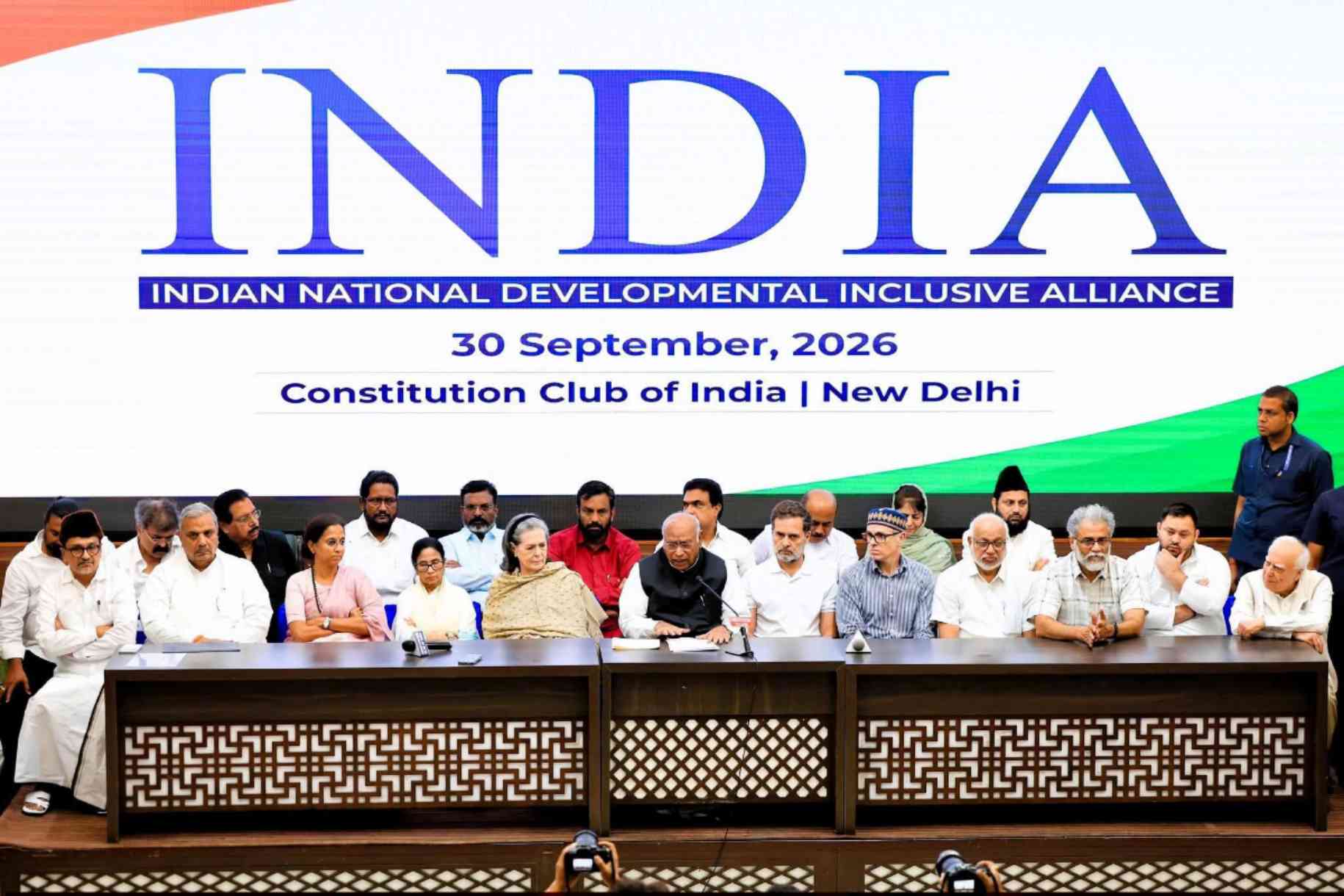
Election Commission–SIR Row: INDIA Bloc Announces...
Oct 01, 2026
WHO Unveils Critical Global Guidance to Combat Hea...
Oct 01, 2026
Comments (0)
Leave a Comment
No comments yet. Be the first to comment!