


Mumbai / Pune: Amid escalating student agitation and widespread public outrage across Maharashtra, Chief Minister Devendra Fadnavis has officially ordered the formation of a Special Investigation Team (SIT) to probe allegations of examination malpractices, descriptive answer sheet evaluation anomalies, and recruitment paper leaks within the Maharashtra Public Service Commission (MPSC). The development follows massive street protests in Pune, Kolhapur, and Chhatrapati Sambhajinagar, intensified by the tragic suicide of an aspirant from Dharashiv in Pune under mounting loan distress. Concurrently, the state government announced the establishment of a high-level administrative committee headed by Additional Chief Secretary (GAD) V. Radha to recommend overhaul measures across all competitive tests. For official notifications, examination schedules, and departmental communiqués, visit the Maharashtra Public Service Commission Portal.
The Core Catalyst: Drug Inspector Paper Leak and Pune 'Aakrosh'
Tensions between competitive examination candidates and the commission reached a boiling point over recent revelations:
- The FDA Drug Inspector Exam Scandal: While the Group-B screening test was held in January, revelations that the examination paper had been leaked and distributed led the commission to cancel the recruitment cycle in August, triggering suspicions of institutional complicity.
- Descriptive Paper Evaluation Anomalies: Aspirants appearing for the 2025 Group-B, Group-C, and Agriculture Services Mains examinations raised serious complaints regarding subjective scoring, non-transparent moderation, and denial of physical answer sheets.
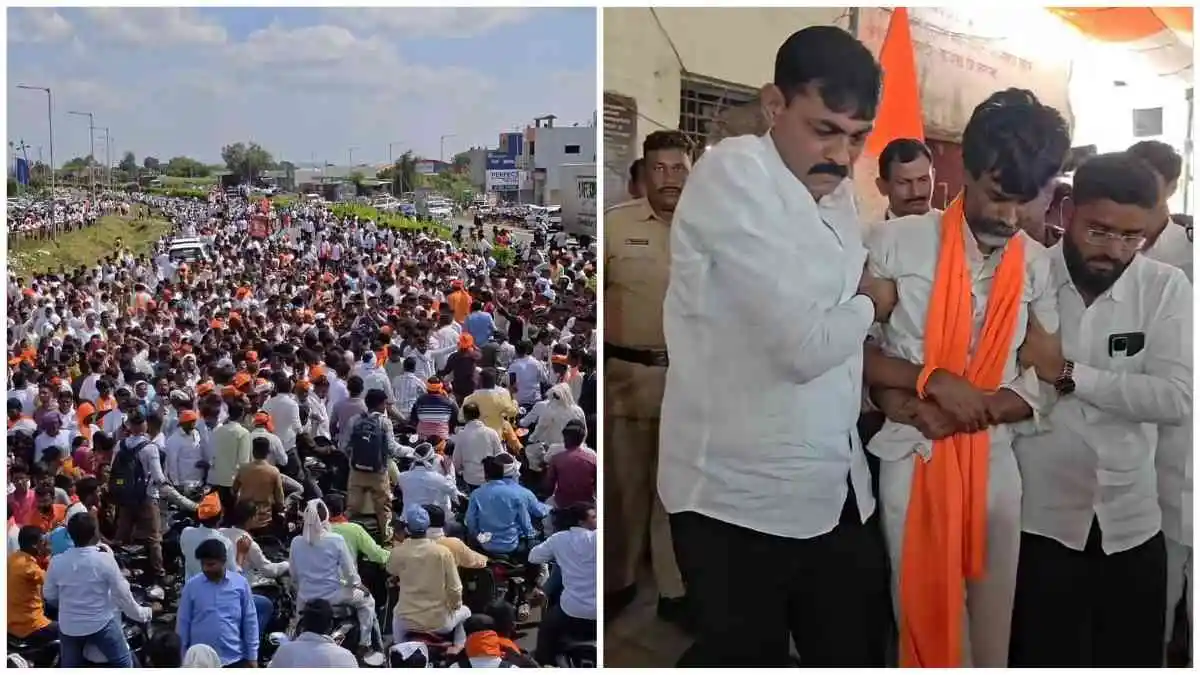
- Massive March in Pune: Thousands of candidates marched from Omkareshwar Temple to the Pune District Collectorate, demanding an immediate high-level judicial inquiry, the cancellation of contaminated lists, and the dismissal of key commission officials.
Key Concessions: What CM Fadnavis Declared at 'Varsha'
Following a high-stakes delegation meeting with student representatives, coaching academy heads, and youth activists at his official residence, Chief Minister Fadnavis conceded to several primary demands:
- Time-Bound SIT Inquiry: A dedicated SIT mechanism will be notified within eight days to investigate paper leaks, nexus networks, and all previous recruitment drives handled during the tenures of individuals named in police complaints.
- Stay on Interviews and Answer Sheet Re-checks: The government stayed upcoming interview schedules and directed the MPSC to permit re-checking of mains answer sheets, while urging the commission to facilitate paper disclosure under the Right to Information (RTI) Act.
- Crime Branch Report to be Made Public: Findings from the Mumbai Crime Branch’s preliminary investigation into the Drug Inspector paper leak will be placed in the public domain.
- Independent Grievance Redressal Cell: A dedicated cell headed by a retired judge will be established directly within the commission's structure to adjudicate future candidate grievances independently.
The Standoff: Chairman Vivek Bhimanwar Resignation Demand
Despite the concessions, political and student friction remains centered on the leadership of the commission:
- Opposition Offensive: Leaders including Baramati MP Supriya Sule, NCP (SP) MLA Rohit Pawar, and Shiv Sena (UBT) leader Aaditya Thackeray have ramped up pressure, meeting Governor Jishnu Dev Varma to demand judicial oversight and the sacking of MPSC Chairman Vivek Bhimanwar and Secretary Mahendra Harpalkar.
- CM Defends Due Process: Fadnavis firmly declined to sack Chairman Bhimanwar, noting that the Chairperson occupies a constitutional office and that the Drug Inspector leak predated his assumption of office. 'It is unfair to punish an officer who was not in the chair when the anomalies occurred. However, if credible evidence is presented against anyone, strict legal action will follow,' Fadnavis stated.
- Bhimanwar’s Defense: Rejecting accusations as politically motivated, Bhimanwar maintained that the commission lodged the initial police complaint itself, conducted 84 exams under reformed timelines, and challenged detractors to submit actionable proof of wrongdoing.
Frequently Asked Questions
Ketan
adminPassionate journalist and digital news editor committed to delivering accurate, timely, and fact-checked news.
Related Articles


Latest Articles

Trump, Tech Giants Ink Voluntary AI Pact Amid Glob...
Oct 01, 2026
Khanna Targets 'Recursive' AI with Landmark Safety...
Oct 01, 2026
Election Commission–SIR Row: INDIA Bloc Announces...
Oct 01, 2026
WHO Unveils Critical Global Guidance to Combat Hea...
Oct 01, 2026
Comments (0)
Leave a Comment
No comments yet. Be the first to comment!