
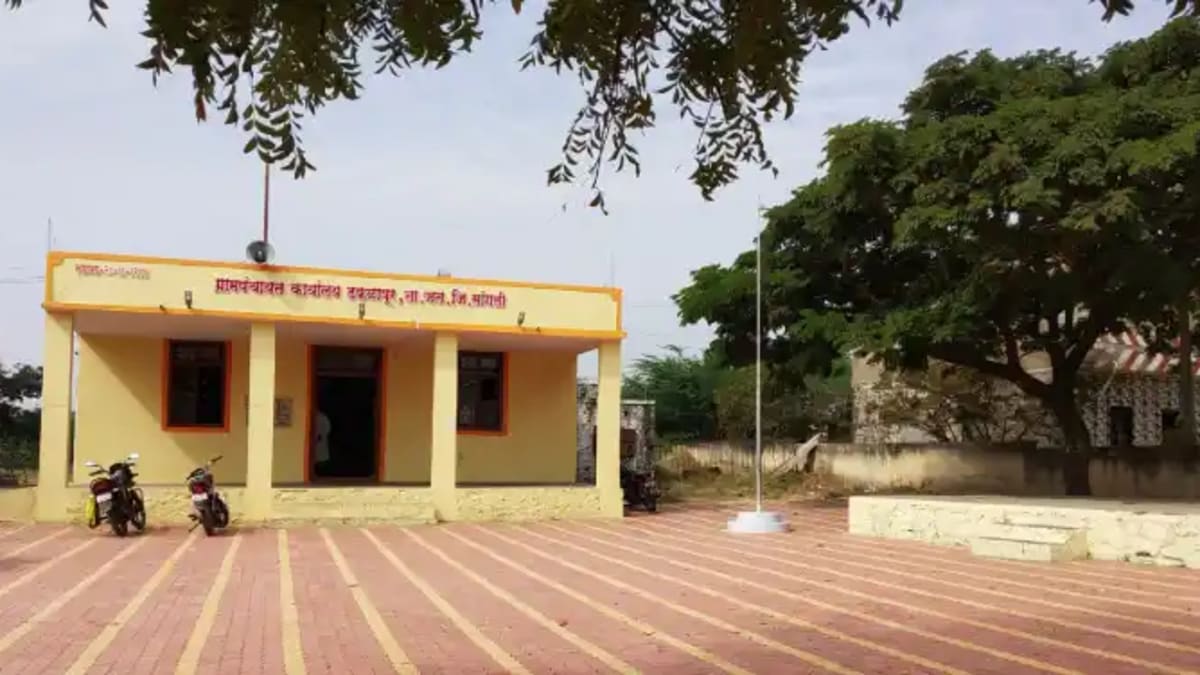

SATARA, MAHARASHTRA – The political landscape of Satara district is in disarray as elections for a staggering 1,350 Gram Panchayats have been indefinitely postponed, pushing the electoral process potentially to 2027. This unprecedented delay has caused widespread disappointment among local leaders and political hopefuls who were gearing up for the crucial grassroots polls.
Why Satara's Gram Panchayat Elections Are Delayed
The primary reason cited for the extensive postponement is the pending completion of the State Election Commission's (SIR) process. Officials familiar with the matter indicate that until this critical administrative procedure is finalized, no further steps can be initiated for the local body elections.
Sources within the State Election Commission suggest that once the SIR process concludes, the subsequent stages—including the preparation of new voter lists, delimitation of constituencies (Prabhag Rachana), finalization of reservations, and the actual voting process—are anticipated to commence only in the 'new year', effectively pushing the entire cycle to 2027.
The SIR Process: A Critical Bottleneck
The SIR process is a foundational step for any electoral exercise in Maharashtra's local self-governing bodies. It involves a meticulous review and update of electoral rolls and administrative boundaries, ensuring fair and accurate representation. Any delay in this intricate process inevitably cascades, affecting the entire election timeline.
Impact on Local Governance and Political Aspirations
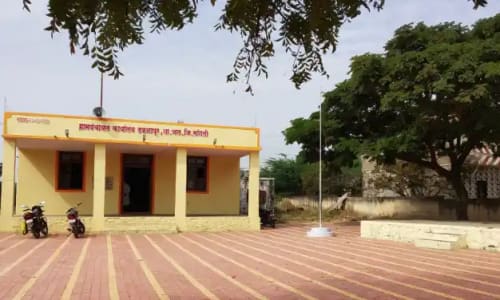
The postponement has significant ramifications for the governance of Satara's villages. Gram Panchayats are the bedrock of rural administration, responsible for local development, public services, and community welfare. A prolonged period without elected representatives can lead to administrative stagnation and a lack of accountability.
Disappointment Among Village Leaders
- Political Vacuum: The delay creates a vacuum in local leadership, potentially impacting decision-making at the village level.
- Aspirants' Frustration: Hundreds of aspiring 'Gavpudharis' (village leaders) and political workers who had begun their groundwork and campaigning efforts are now left disheartened.
- Development Stalls: Critical development projects and policy implementations might face delays without a fully functional elected body.
The Road Ahead for Satara's Villages
While the exact timeline remains fluid, the current outlook points towards a significant wait for the residents of Satara's 1,350 villages to elect their local representatives. The focus now shifts to the State Election Commission to expedite the SIR process, paving the way for the democratic exercise to resume.
Local political observers suggest that this delay could also lead to a reshuffling of alliances and strategies among political parties, as they prepare for a much-later electoral battle. The prolonged wait will test the patience and resilience of both the electorate and the political class in Satara district.
Frequently Asked Questions
Ketan
Editor-in-ChiefPassionate journalist and digital news editor committed to delivering accurate, timely, and fact-checked news.






Comments (0)
Leave a Comment
No comments yet. Be the first to comment!