
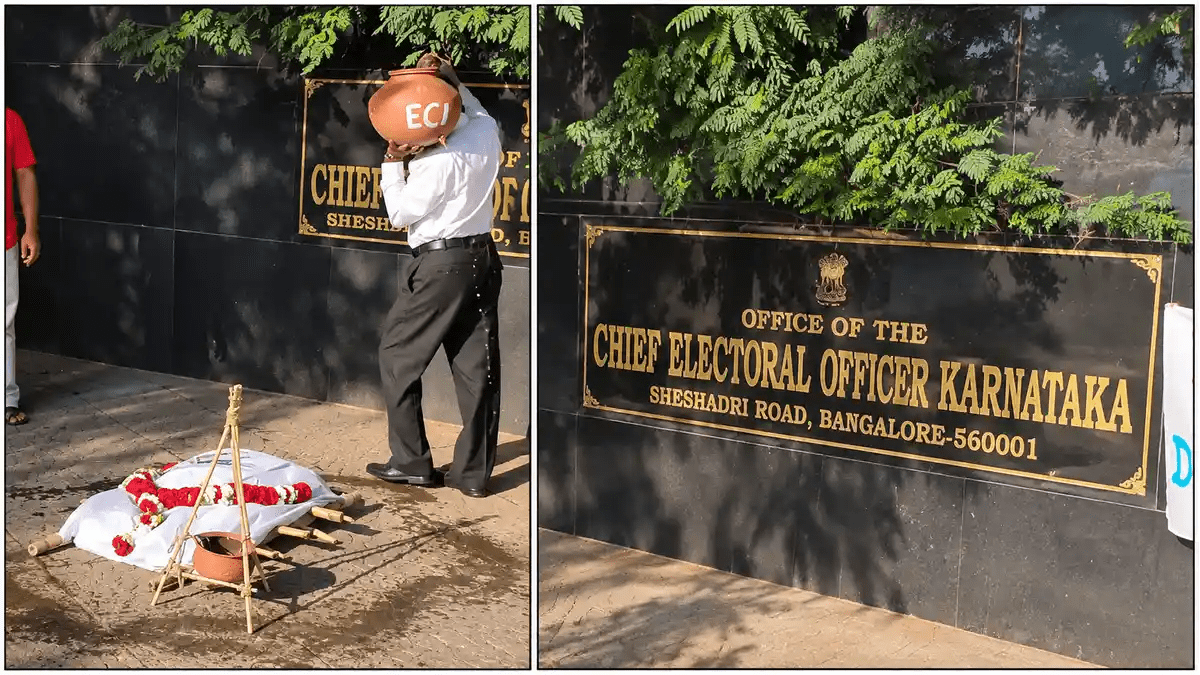

In an escalating public confrontation over the sanctity of electoral lists, a group of citizens, human rights defenders, and legal activists gathered outside the office of Karnataka's Chief Electoral Officer (CEO) on Sunday, September 27, 2026, to stage a symbolic demonstration. Protesters enacted mock funeral rites for democracy, complete with traditional mourning rituals and a symbolic cleansing ceremony, alleging that the Election Commission of India (ECI) has abdicated its constitutional duty to protect the franchise of Indian citizens. Demonstrators called for the immediate resignation of Chief Election Commissioner (CEC) Gyanesh Kumar, accusing the poll body of enabling mass disenfranchisement.
The Core Allegations: Mass Deletions and the SIR Controversy
The demonstration was fueled by nationwide scrutiny surrounding the ongoing Special Intensive Revision (SIR) of electoral rolls. Protesters alleged that recent roll-cleansing drives have led to the unlawful and arbitrary removal of millions of eligible voters without adequate field verification, prior notice, or transparent dispute redressal.
- Unchecked Disenfranchisement: Activists argued that vulnerable socio-economic demographics and minority pockets have been disproportionately impacted by automated and bureaucratic deletions.
- Opacity in Digital Portals: Legal advocates highlighted systemic opacity in the processing of Form 6, Form 7, and Form 8 submissions via the ECI Net portal, claiming that computerized duplicate-detection algorithms frequently purge legitimate citizens.
- Unsatisfactory Explanations: Speakers asserted that official clarifications issued by the election authority failed to resolve growing concerns regarding voter list discrepancies.
"The removal of eligible citizens from the rolls through an opaque, arbitrary process constitutes a direct attack on democratic rights. Recent statements by the Election Commission have generated more questions than answers," asserted legal activist and advocate Narasimhamurthy during the gathering.
Scrutiny of Constitutional Check-and-Balance Institutions
Beyond targeting the Election Commission, the demonstrators voiced sharp criticism against other democratic institutions, including the judiciary. Speakers argued that the courts have moved too slowly to address petitions challenging the revised appointment laws for election commissioners and complaints regarding mass voter roll purges.
Rights activist Tanveer Ahmed Gandhi urged citizens to look beyond political, regional, and sectarian lines to protect constitutional autonomy. He noted that the demonstration was designed to mark both mourning for democratic erosion and the launch of a sustained civic movement led by youths and constitutional defenders across southern India.
Broader National Context and Institutional Pushback
The Bengaluru demonstration coincides with a wider national pushback. Days earlier, major opposition formations organized demonstrations demanding institutional accountability, while an open letter signed by more than 2,000 civil society leaders—including retired senior bureaucrats, former military chiefs, and legal scholars—was dispatched to the Chief Justice of India seeking emergency judicial intervention.
While the Election Commission has officially maintained that the Special Intensive Revision is a routine, rule-bound exercise designed to eliminate deceased voters, duplicate entries, and permanently relocated citizens with unanimous commission approval, grassroots outrage shows no signs of dissipating. Protesters confirmed that the Bengaluru demonstration represents the opening salvo of a coordinated campaign demanding verifiable, independent oversight of India's voter registers ahead of major state and national electoral cycles.
Frequently Asked Questions
Ketan
adminPassionate journalist and digital news editor committed to delivering accurate, timely, and fact-checked news.
Related Articles


Latest Articles

Trump, Tech Giants Ink Voluntary AI Pact Amid Glob...
Oct 01, 2026
Khanna Targets 'Recursive' AI with Landmark Safety...
Oct 01, 2026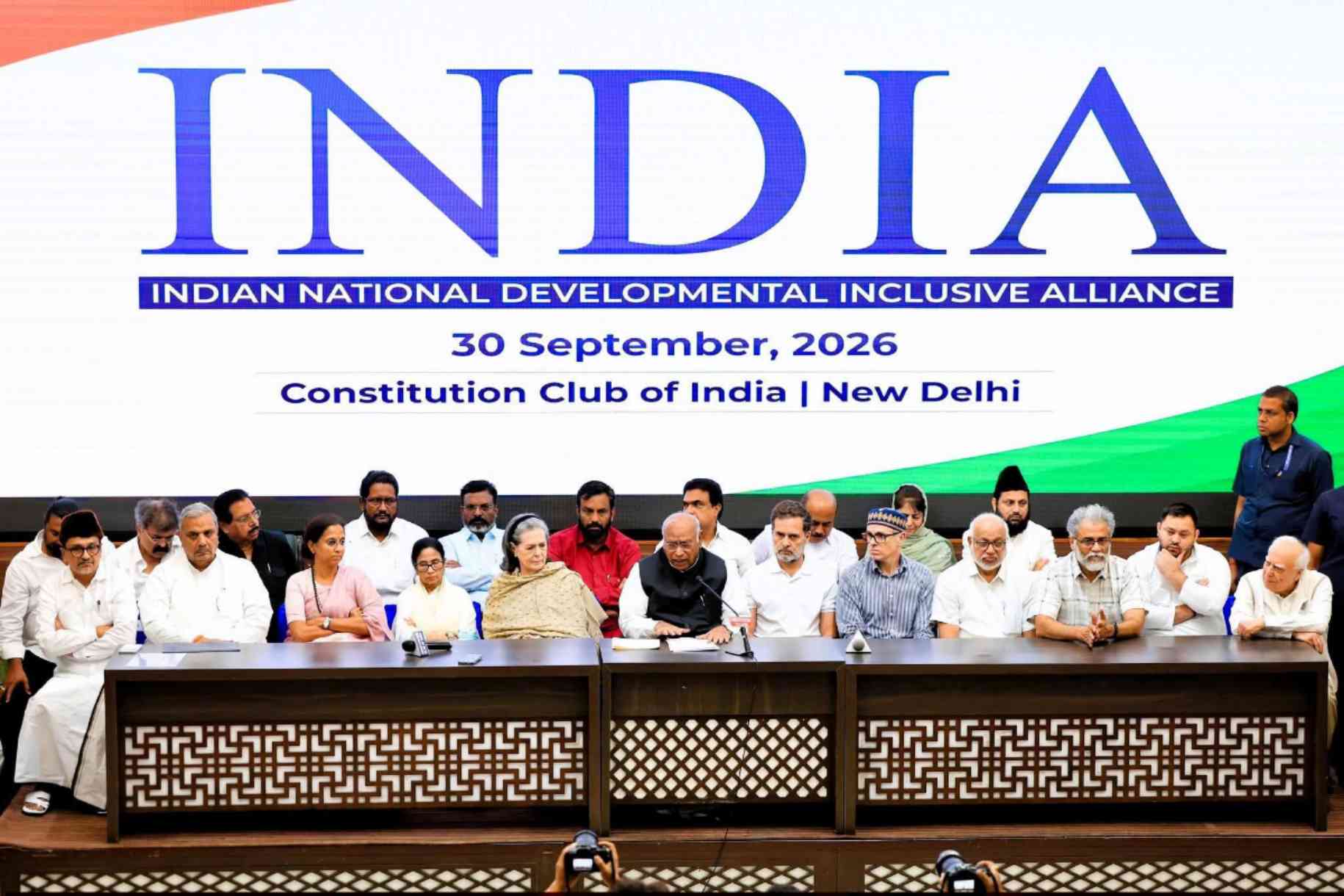
Election Commission–SIR Row: INDIA Bloc Announces...
Oct 01, 2026
WHO Unveils Critical Global Guidance to Combat Hea...
Oct 01, 2026
Comments (0)
Leave a Comment
No comments yet. Be the first to comment!