
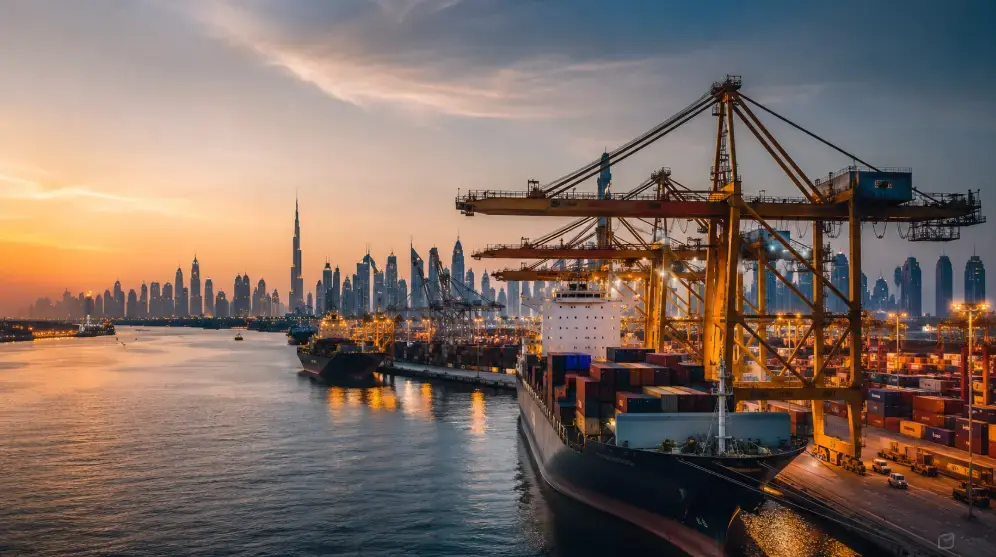

Recent explosions and fires at Dubai's Jebel Ali port have brought renewed focus to the geopolitical vulnerabilities of the UAE's economic model. While Dubai has long positioned itself as an insulated commercial oasis, geographic proximity to regional conflicts presents ongoing challenges for trade, tourism, and digital infrastructure investments.
- Explosions at Jebel Ali Port underscore the physical vulnerability of Dubai's critical trade infrastructure.
- Dubai's long-standing 'safe haven' marketing faces scrutiny amid ongoing Gulf regional tensions.
- Sectors including maritime shipping, tourism, and cloud data centers are assessing security and risk management.
- The UAE continues to leverage sovereign wealth and strategic infrastructure bypasses to adapt and maintain economic stability.
Re-evaluating Dubai's 'Switzerland of the Middle East' Model
For decades, Dubai has established itself as an oasis of commercial stability—a regional 'Switzerland' where trade, tourism, logistics, and foreign capital flourish insulated from Middle Eastern volatility. However, recent security developments, including multiple explosions and fires reported at the strategic Jebel Ali industrial zone, have put the long-term viability of this insulated 'safe haven' model under intense international focus. Explore our latest international news and economic analysis for ongoing global updates.
The Strategic Vulnerability of Jebel Ali Port
Jebel Ali is far more than a local commercial district; it is the largest man-made harbor in the world and a critical supply chain artery linking Asia, Europe, and Africa. Housing over 11,000 international companies within its free zone (JAFZA), any disruption to daily maritime or industrial operations sends immediate shockwaves through regional trade and logistics. Recent maritime slows and safety alerts highlight how susceptible key trade hubs are when regional tensions escalate between major powers.
Geographic Reality vs. Global Marketing
Dubai’s economic success has historically relied on the assurance that global investors and multinational corporations could operate seamlessly without political interference. Yet, geography remains an unalterable factor. Situated just 120 kilometers across the water from Iran and overlooking the Strait of Hormuz—the world's most vital maritime oil chokepoint—the emirate remains exposed to broader regional security dynamics and supply chain bottlenecks.
Impact Across Tourism, Shipping, and Digital Infrastructure
The economic impact of regional instability touches several core pillars of the UAE economy:
- Trade & Logistics: Disruptions at Jebel Ali port directly affect cargo movement, insurance premiums, and shipping schedules across the Persian Gulf.
- Tourism & Hospitality: Fluctuations in regional security lead to temporary drops in flight routes and hotel occupancies, prompting aggressive promotional initiatives like the 'Dubai Invite' program to restore visitor confidence.
- Digital & AI Capital Ambitions: The UAE's long-term vision to become a global hub for Artificial Intelligence and cloud computing faces scrutiny as cloud data centers in the region evaluate physical security risks against high investment yields.
Adaptation and Strategic Resilience
Despite these challenges, the United Arab Emirates possesses immense sovereign wealth, state-of-the-art infrastructure, and diplomatic agility. Measures such as developing bypass pipelines around the Strait of Hormuz, diversifying energy export routes, and bolstering regional air defenses demonstrate proactive adaptation. Ultimately, recent events serve as a sobering reminder that even the most advanced globalized mega-cities must continuously adapt to the geopolitical realities of their geographic neighborhood.
Frequently Asked Questions
Admin
adminPassionate journalist and digital news editor committed to delivering accurate, timely, and fact-checked news.
Latest Articles
Chinese Rocket Failure: Long March 7A Explodes 85...
Aug 13, 2026
Millions Across UK and Europe Witness Dramatic Sol...
Aug 13, 2026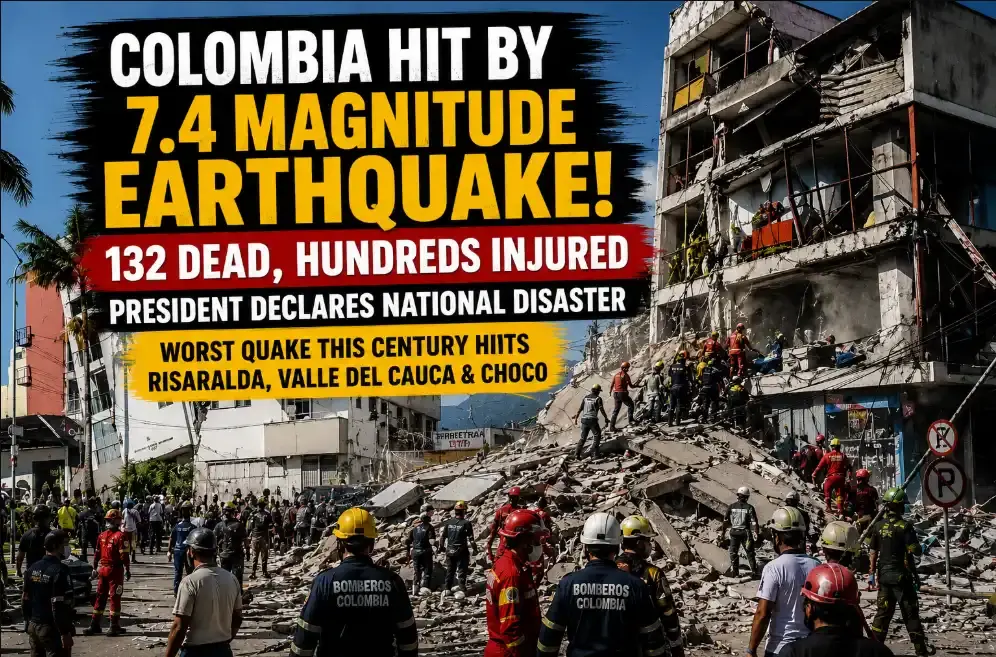
Colombia Earthquake: 7.4-Magnitude Quake Kills 132
Aug 11, 2026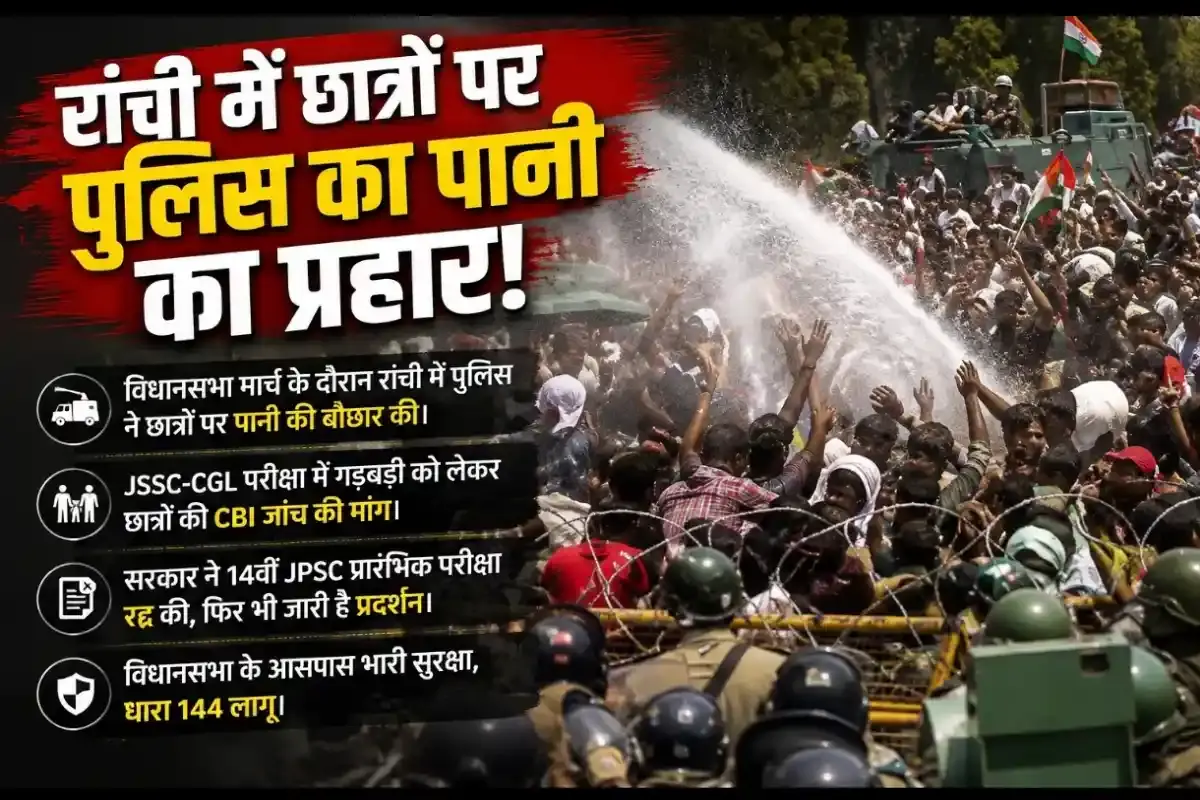
Jharkhand Protest: Police Use Water Cannons in Ran...
Aug 10, 2026
Comments (0)
Leave a Comment
No comments yet. Be the first to comment!