


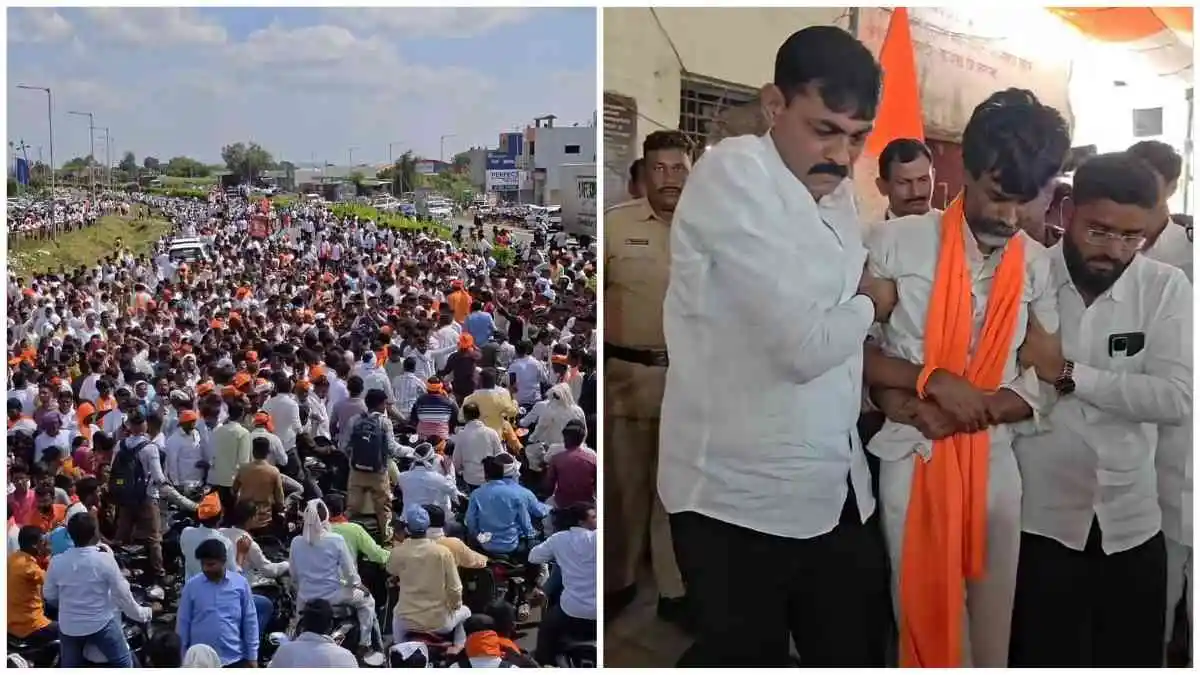
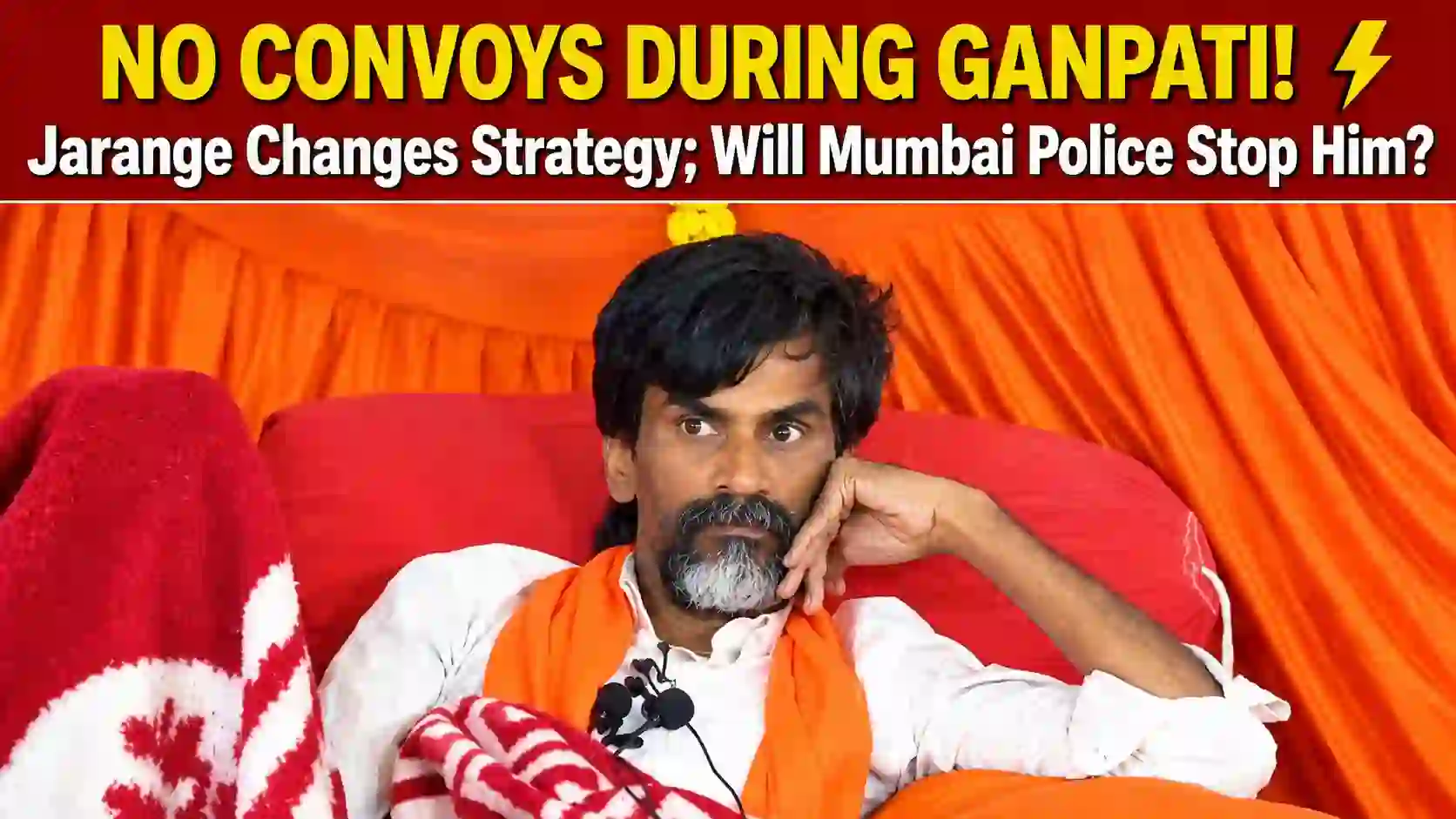
Mumbai: High-stakes administrative urgency gripped the Maharashtra government late Monday night as Chief Minister Devendra Fadnavis convened an emergency midnight strategy session at his official residence, 'Warsha', in Mumbai. The deliberations came as Maratha reservation activist Manoj Jarange Patil's indefinite hunger strike entered its 11th day at Antarwali Sarati in Jalna district. With Jarange Patil's vitals deteriorating after he turned away medical attendants and refused saline support, the state government moved to defuse his September 12 deadline for a massive march on Mumbai by issuing urgent executive orders to operationalize the distribution of Kunbi caste certificates. For official social justice circulars, gazette notifications, and reservation directives, visit the Government of Maharashtra Portal.
The Escalation at Antarwali Sarati: Ultimatum for a Mumbai March
The standoff at the protest epicentre in Jalna has intensified over the past 48 hours following the breakdown of initial ministerial talks:
- Refusal of Medical Care: Although Jarange Patil briefly accepted intravenous fluids following discussions with state ministers Radhakrishna Vikhe Patil and Uday Samant, he hardened his stance over delays in issuing formal Government Resolutions (GRs), ejecting medical personnel from the stage.
- The September 12 Deadline: Jarange Patil issued a strict ultimatum warning that unless binding administrative orders implementing the Justice Sandeep Shinde Committee recommendations and the 1921 and 1931 Hyderabad State Gazetteers are notified, hundreds of thousands of Maratha community members will assemble at Antarwali Sarati and commence an indefinite march toward Mumbai.
- Warning on Police Force: Addressing gathered crowds, Jarange Patil warned the administration against using state force: 'If even a single youth’s blood is spilled, all of Maharashtra will be brought to a complete shutdown within 10 minutes.'
The Midnight Warsha Strategy: 58 Lakh Kunbi Records Made Public
The midnight meeting at 'Warsha' brought together key cabinet ministers and revenue secretaries to establish a fast-track administrative bridge without precipitating legal bottlenecks:
- Notice Board Transparency: District Collectors across Marathwada and Western Maharashtra have been instructed to immediately mandate every Gram Panchayat to display its village-wise directory of the 58 lakh traced Kunbi entries on public notice boards.
- Special Scrutiny Camps (Sept 10–17): Village-level revenue teams—comprising Tehsildars, Talathis, and Gram Sevaks—will run dedicated on-spot scrutiny camps from September 10 to September 17, 2026 (concluding on Marathwada Liberation Day) to process blood-relative (Rakta Sambandh) applications.
- Hyderabad Gazette SOPs: District caste scrutiny committees have received standardized operating procedures to formally accept historical entries from the 1921 and 1931 Hyderabad State Gazetteers as valid primary evidentiary documentation.
- Collector Redressal Mechanism: District Collectors have been empowered to directly review and resolve grievances regarding arbitrary rejections by local sub-divisional scrutiny committees.
The Sage-Soyare Stalemate and OBC Counter-Mobilization
Despite the government's procedural accelerations, the primary political deadlock remains centered on the 'Sage-Soyare' (extended family lineage) draft notification. Jarange Patil insists that applicants possessing valid historical Kunbi entries must be permitted to extend eligibility to their entire extended clan network through self-affidavits. Conversely, senior Other Backward Classes (OBC) leaders, including cabinet minister Chhagan Bhujbal, maintain that issuing Kunbi certificates en masse under historical gazette references risks eroding the constitutional 27% OBC quota, foreshadowing legal challenges before the Bombay High Court once final notifications are gazetted.
Frequently Asked Questions
Ketan
adminPassionate journalist and digital news editor committed to delivering accurate, timely, and fact-checked news.
Related Articles


Latest Articles

Trump, Tech Giants Ink Voluntary AI Pact Amid Glob...
Oct 01, 2026
Khanna Targets 'Recursive' AI with Landmark Safety...
Oct 01, 2026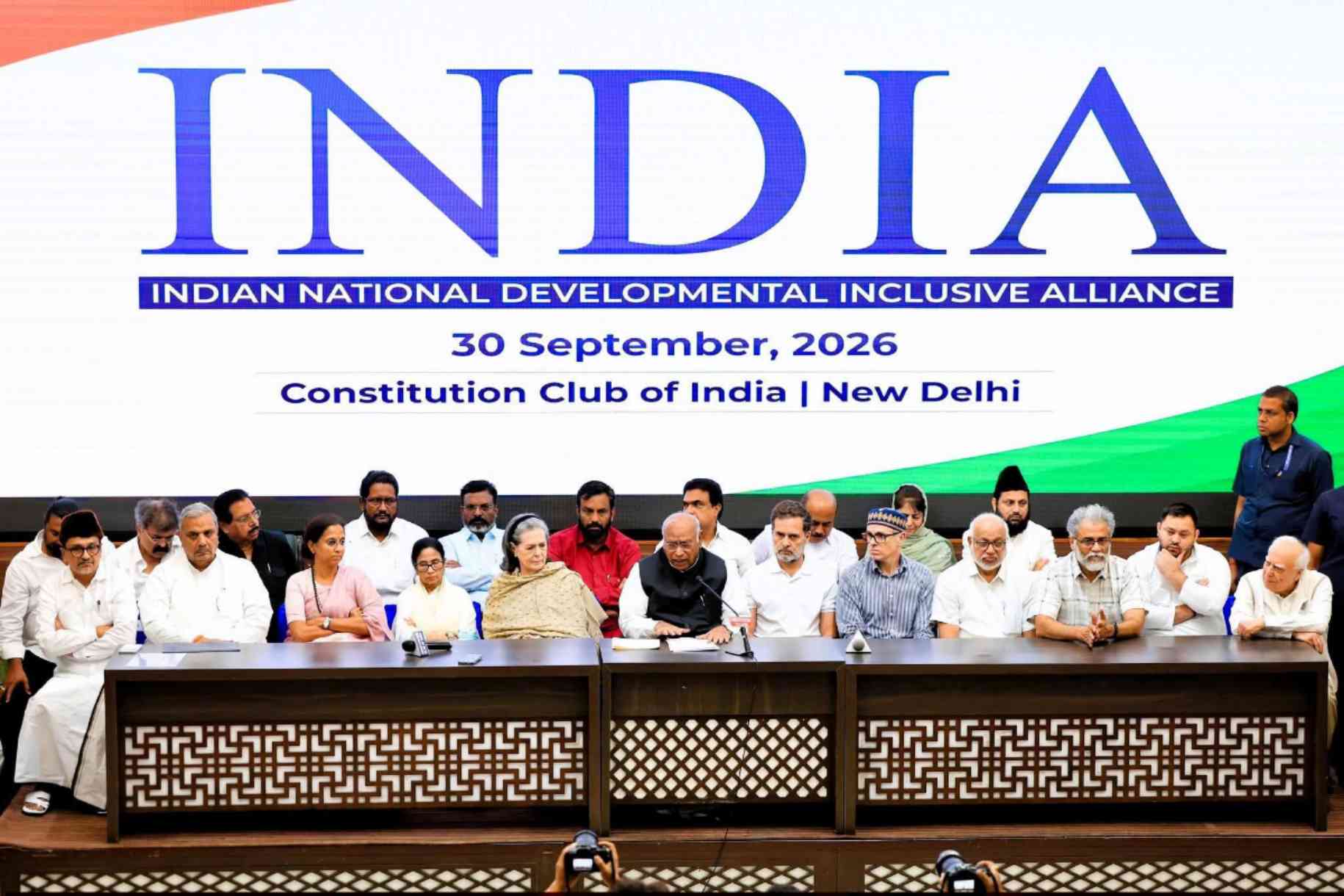
Election Commission–SIR Row: INDIA Bloc Announces...
Oct 01, 2026
WHO Unveils Critical Global Guidance to Combat Hea...
Oct 01, 2026
Comments (0)
Leave a Comment
No comments yet. Be the first to comment!