

Introduction to PMOS and its Impact on Women's Health
Polycystic Ovary Syndrome (PMOS) is a common endocrine disorder that affects millions of women worldwide. It is characterized by a range of symptoms, including irregular menstrual cycles, weight gain, acne, and excess hair growth. If left untreated, PMOS can lead to more severe health complications, such as infertility, diabetes, and heart disease.
The health watchdog's recommendation for yearly NHS checks for women with PMOS is a significant step towards addressing the condition. These checks will enable healthcare professionals to monitor the progression of the disease, identify potential complications early, and provide timely interventions.
The Benefits of Yearly NHS Checks for PMOS
Regular health checks can have a profound impact on the management of PMOS. Some of the benefits include:
- Early Detection of Complications: Yearly checks can help identify potential complications, such as diabetes, high blood pressure, and high cholesterol, allowing for early intervention and treatment.
- Improved Fertility Management: Regular monitoring of menstrual cycles and hormone levels can help women with PMOS manage their fertility and increase their chances of conception.
- Enhanced Mental Health Support: PMOS can have a significant impact on mental health, with many women experiencing anxiety, depression, and low self-esteem. Yearly checks can provide an opportunity for women to discuss their mental health concerns and receive support.
What to Expect from a Yearly NHS Check
A yearly NHS check for PMOS will typically involve a comprehensive review of the woman's medical history, lifestyle, and symptoms. The check may include:
- Physical Examination: A thorough physical examination to assess overall health and identify any potential complications.
- Blood Tests: Blood tests to check hormone levels, blood sugar, and cholesterol levels.
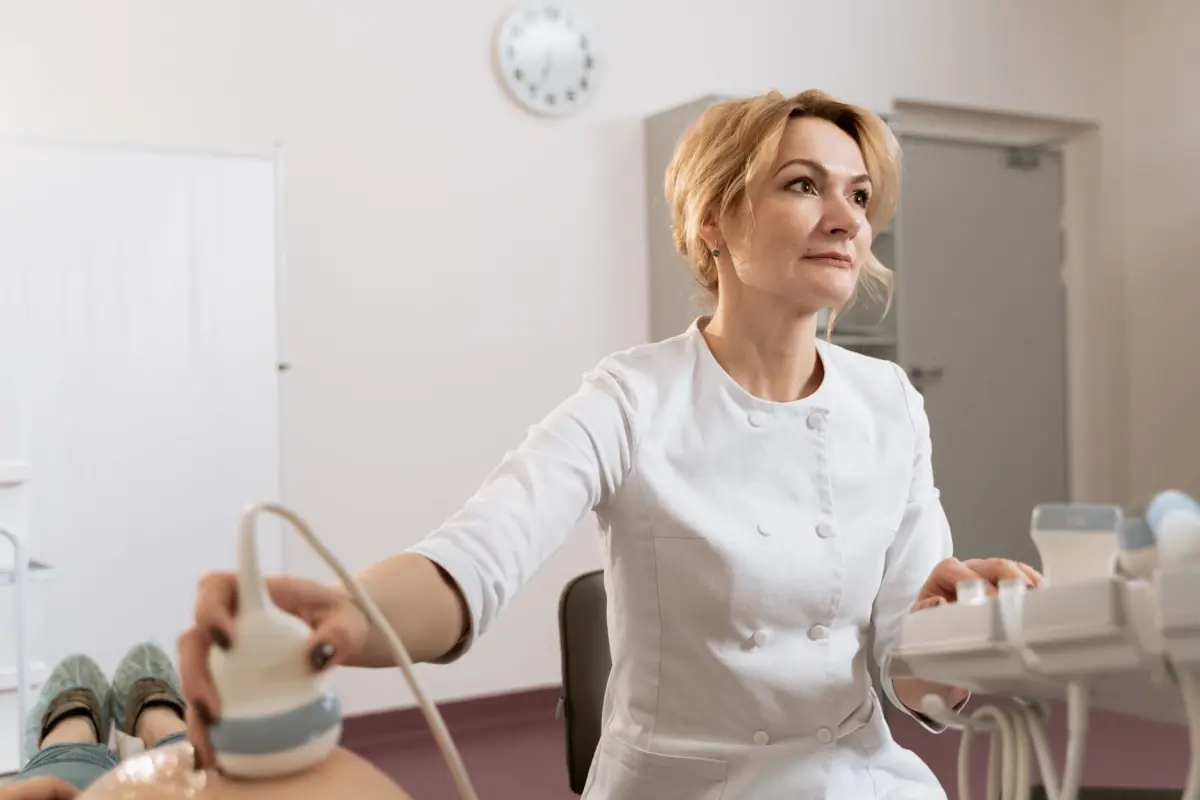
- Ultrasound Scan: An ultrasound scan to examine the ovaries and detect any cysts or other abnormalities.
Conclusion
The recommendation for yearly NHS checks for women with PMOS is a crucial step towards improving the diagnosis, treatment, and management of the condition. By providing regular monitoring and support, healthcare professionals can help women with PMOS manage their symptoms, reduce the risk of complications, and enhance their overall well-being.
Frequently Asked Questions
Sadashiv Shinde
editorSadashiv Shinde is a contributor at Digital Bharat Times, specializing in current affairs and regional reporting.
Related Articles


Latest Articles

Trump, Tech Giants Ink Voluntary AI Pact Amid Glob...
Oct 01, 2026
Khanna Targets 'Recursive' AI with Landmark Safety...
Oct 01, 2026
Election Commission–SIR Row: INDIA Bloc Announces...
Oct 01, 2026
WHO Unveils Critical Global Guidance to Combat Hea...
Oct 01, 2026
Comments (0)
Leave a Comment
No comments yet. Be the first to comment!