

New Delhi | World Desk
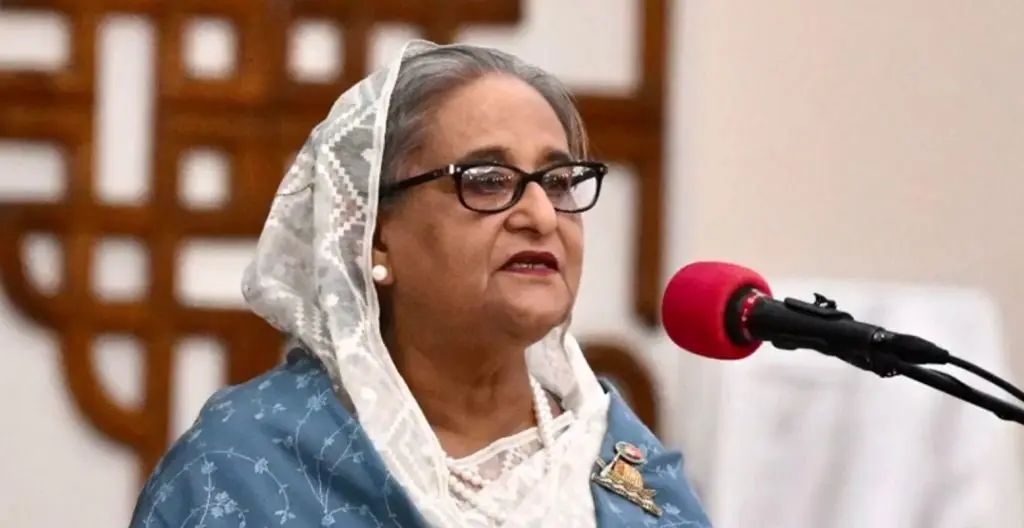
Former Bangladesh Prime Minister Sheikh Hasina has indicated that she intends to return to Bangladesh later this year, a move that could have significant political, legal and diplomatic implications for both Bangladesh and India. While Bangladesh's interim administration says it welcomes her return, it has also made it clear that she will have to face the country's judicial process.
India, meanwhile, has reiterated that its position remains unchanged and that any request for Sheikh Hasina's extradition will be handled strictly in accordance with the law.
India Says Its Position Has Not Changed
Responding to questions regarding Sheikh Hasina's possible return, India's Ministry of External Affairs (MEA) stated that there has been no change in New Delhi's stance. The ministry emphasized that any extradition request from Bangladesh would be considered through established legal procedures rather than political considerations.
India has maintained that the matter should be addressed within the framework of bilateral legal mechanisms and international obligations.
Bangladesh Welcomes Return, But Demands Legal Process
Bangladesh's current government has said it has no objection to Sheikh Hasina returning to the country. However, officials insist that she must surrender before the courts and face the legal proceedings pending against her.
Earlier, Dhaka had formally sought Sheikh Hasina's extradition from India in connection with cases registered following the political unrest that unfolded in 2024.
Legal Background of the Case
The controversy centres around a death sentence reportedly handed down in absentia by Bangladesh's International Crimes Tribunal in connection with the 2024 unrest. Sheikh Hasina has rejected the verdict, describing it as illegal, unconstitutional and politically motivated.
Bangladesh's authorities, however, maintain that the judicial process is aimed at ensuring accountability and that the law will take its course.
Sheikh Hasina Has Been Living in India Since 2024
According to multiple reports, Sheikh Hasina has been residing in India since leaving Dhaka during the political turmoil of August 2024. Her possible return is expected to influence Bangladesh's domestic politics while also carrying diplomatic significance for India-Bangladesh relations.
Political analysts believe any decision regarding her return could have wider implications for regional stability and bilateral engagement between the two neighbouring countries.
What Remains Unclear?
Although Sheikh Hasina has expressed her intention to return, the exact timeline remains uncertain. There is also no official confirmation on whether Bangladesh will submit another formal extradition request to India or how the legal process will proceed if she returns voluntarily.
Until further official announcements are made, the situation remains both a legal and diplomatic issue rather than a purely political one.
Why This Story Matters
The developments surrounding Sheikh Hasina's proposed return extend beyond domestic politics. They involve complex questions relating to extradition, judicial proceedings, diplomatic relations and political stability in Bangladesh. As both governments maintain their respective positions, the coming months are expected to be crucial in determining how the matter unfolds.
Frequently Asked Questions
Ketan
adminPassionate journalist and digital news editor committed to delivering accurate, timely, and fact-checked news.
Related Articles




Latest Articles

Trump, Tech Giants Ink Voluntary AI Pact Amid Glob...
Oct 01, 2026
Khanna Targets 'Recursive' AI with Landmark Safety...
Oct 01, 2026
Election Commission–SIR Row: INDIA Bloc Announces...
Oct 01, 2026
WHO Unveils Critical Global Guidance to Combat Hea...
Oct 01, 2026
Comments (0)
Leave a Comment
No comments yet. Be the first to comment!