

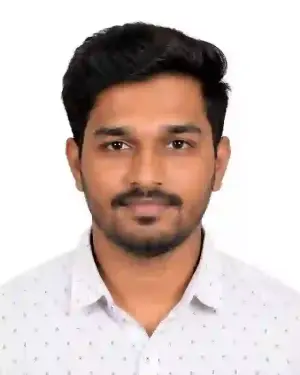
In an expansion of the state's flagship child nutrition framework, Tamil Nadu Chief Minister C. Joseph Vijay formally launched the extended phase of the Perunthalaivar Kamarajar Breakfast Scheme at the Government Middle School in Gandhi Gramam, Thiruvanmiyur, Chennai. The policy revision widens the state-funded morning nutrition safety net—which previously catered strictly to primary children in Classes 1 through 5—to middle-school students across Classes 6, 7, and 8 in 15,454 government and government-aided schools statewide. The Chief Minister served a morning meal of hot pongal, sambar, and sweet to 217 students before joining them for breakfast and inspecting classroom facilities to review foundational literacy and numeracy programmes.
Fiscal Sanctions, Expanded Demographics, and District-Level Phasing
The middle-school expansion brings an estimated 15.30 lakh additional students under the daily breakfast programme, raising the cumulative beneficiary cohort to over 35 lakh children across primary and middle tiers. To support the extended logistics and raw material procurement, the state administration cleared an additional ₹217.63 crore, pushing the dedicated annual outlay to ₹724 crore under the Social Welfare and Women Empowerment Department.
However, the launch was deferred exclusively across Chengalpattu and Tiruppur districts. Both administrative zones are currently under the Model Code of Conduct (MCC) enforced by the Election Commission of India for the scheduled October 6 Assembly by-elections in the Madurantakam and Dharapuram constituencies. The state confirmed that kitchens in these two districts will commence operations immediately upon the culmination of electoral counting.
"Universal morning nutrition removes the barrier of classroom hunger. Ensuring middle-school adolescents receive a protein-dense, hot meal directly safeguards academic retention and cognitive alertness during foundational learning hours," education department officials affirmed during the launch.
Decentralized Kitchen Clusters and Standardized Millet Menu
To ensure hot, hygienic meals arrive before school assemblies at 7:45 AM, the state deployed a multi-tier preparation and transport network:
- Greater Chennai Corporation (GCC) Cluster: In Chennai, the GCC oversees 447 government and aided schools using high-capacity centralized mechanized kitchens, delivering food through dedicated insulated transit vans.
- Urban Municipal Fleet: The Directorate of Municipal Administration monitors decentralized kitchens supplying 2,150 schools across tier-2 cities, municipalities, and suburban clusters.
- Rural Self-Help Group Management: The largest share—encompassing 12,857 institutions in rural blocks and panchayats—is prepared directly by women's self-help groups (SHGs) under the Tamil Nadu Women's Development Corporation (TNWDC), providing recurring micro-employment for thousands of local women.
- Nutritional Diversity: The standard weekly rotation features rava upma, semiya kichadi, and vegetable pongal. In accordance with adolescent dietary guidelines, millet-based items (including barnyard and foxtail millets) are integrated twice weekly to supply essential micronutrients and dietary fiber.
Historical Continuity and Retention Dividends
Rechristened in July 2026 as the Perunthalaivar Kamarajar Breakfast Scheme, the programme pays tribute to former Chief Minister K. Kamaraj, who introduced India's first universal free school lunch (mid-day meal) in Tamil Nadu during the 1950s. State education assessments reveal that providing a morning meal has improved overall attendance by 8% to 12% while curbing dropout rates among rural girl students transitioning from primary to upper-primary classes. By mitigating morning hypoglycemia, the initiative ensures children maintain sustained attention during early classroom hours.
Frequently Asked Questions
Ketan
adminPassionate journalist and digital news editor committed to delivering accurate, timely, and fact-checked news.
Related Articles
Latest Articles

Trump, Tech Giants Ink Voluntary AI Pact Amid Glob...
Oct 01, 2026
Khanna Targets 'Recursive' AI with Landmark Safety...
Oct 01, 2026
Election Commission–SIR Row: INDIA Bloc Announces...
Oct 01, 2026
WHO Unveils Critical Global Guidance to Combat Hea...
Oct 01, 2026
Comments (0)
Leave a Comment
No comments yet. Be the first to comment!