
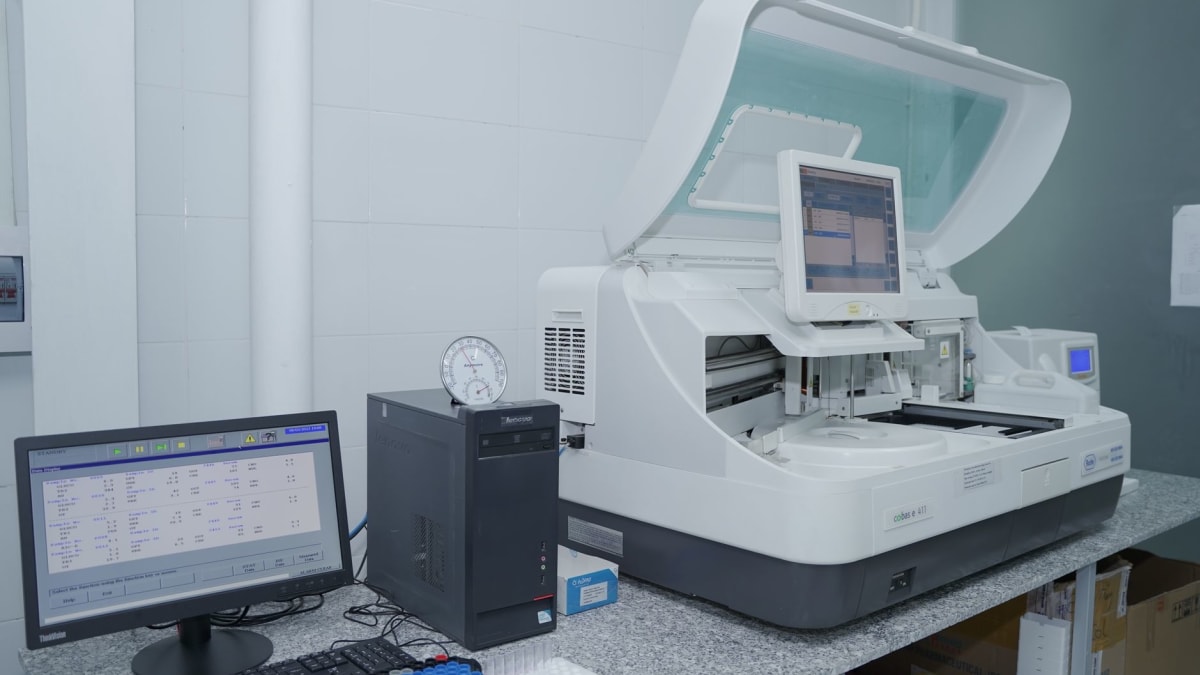

Silicon Valley's technological vanguard is spearheading a profound transformation in global healthcare, leveraging advanced artificial intelligence, machine learning, and vast data analytics to unlock unprecedented insights into disease mechanisms and pioneer more effective treatment modalities. This ambitious endeavor, prominently featuring contributions from tech giants like Google, aims to revolutionize everything from early diagnosis and drug discovery to personalized therapeutic interventions, promising a future where medical care is both more precise and universally accessible.
The Dawn of Precision Medicine: AI's Diagnostic Prowess
The integration of artificial intelligence into medical diagnostics represents one of the most immediate and impactful applications of technology in healthcare. AI algorithms, trained on colossal datasets of medical images and patient records, are demonstrating capabilities that often rival, and sometimes surpass, human experts in specific tasks. This paradigm shift is particularly evident in:
Revolutionizing Medical Imaging
AI-powered tools are dramatically enhancing the accuracy and speed of interpreting complex medical images. For instance, deep learning models are now adept at detecting subtle anomalies in retinal scans that indicate diabetic retinopathy or glaucoma years before symptoms manifest. In radiology, AI assists in identifying cancerous lesions in mammograms, polyps in colonoscopies, and neurological conditions in MRI scans, often reducing false positives and negatives. Studies have shown AI systems achieving up to 95% accuracy in detecting certain cancers from imaging data, significantly boosting early intervention prospects.
Pathology and Early Detection
Beyond imaging, AI is transforming pathology by analyzing microscopic tissue samples with unparalleled precision. Machine learning algorithms can identify malignant cells, grade tumor aggressiveness, and even predict treatment response from biopsy slides. This not only streamlines the diagnostic process for pathologists but also ensures a more consistent and objective assessment, crucial for diseases like cancer where early and accurate diagnosis is paramount. The sheer volume of data processed by these systems allows for a level of pattern recognition impossible for the human eye alone.
Accelerating the Drug Discovery Pipeline
The traditional drug discovery process is notoriously protracted and expensive, often taking over a decade and costing billions of dollars per new drug. Technology, particularly AI, is now acting as a powerful catalyst, compressing timelines and reducing financial burdens.
Computational Drug Design
AI algorithms can rapidly screen billions of potential molecular compounds, predicting their interactions with target proteins and identifying promising candidates for new therapies. This 'in silico' approach drastically reduces the need for costly and time-consuming laboratory experiments. Companies are leveraging AI to tackle complex challenges like protein folding – predicting a protein's 3D structure from its amino acid sequence – a critical step in understanding disease mechanisms and designing effective drugs. This has led to a reduction in early-stage drug discovery time by an estimated 25-30% in some cases.
Optimizing Clinical Trials
AI is also streamlining clinical trials by identifying ideal patient cohorts, predicting patient response to experimental drugs, and monitoring adverse events. This not only accelerates trial completion but also improves the chances of success, leading to faster approval and availability of life-saving medications. The ability to analyze vast amounts of patient data helps researchers make more informed decisions at every stage of development.
Genomics, Personalized Therapies, and Public Health
The convergence of genomics and AI is paving the way for truly personalized medicine, tailoring treatments to an individual's unique genetic makeup. Simultaneously, AI is becoming an indispensable tool for public health initiatives.
Unlocking Genetic Blueprints
Analyzing an individual's entire genome generates terabytes of data. AI is crucial for interpreting this complex information, identifying genetic predispositions to diseases, predicting drug efficacy based on genetic markers, and even designing gene therapies. This allows for bespoke treatment plans, moving away from a 'one-size-fits-all' approach to medicine.
Predictive Epidemiology
Beyond individual care, AI models are being deployed to predict disease outbreaks, track pathogen spread, and optimize resource allocation during public health crises. By analyzing data from diverse sources – including social media trends, climate patterns, and travel data – AI can provide early warnings, enabling governments and health organizations to mount more effective and timely responses. The lessons learned during recent global health emergencies have underscored the critical need for such predictive capabilities.
Navigating the Ethical Labyrinth: Data, Bias, and Accessibility
While the promise of technology in healthcare is immense, its deployment is not without significant ethical and societal challenges. Policymakers, technologists, and medical professionals must collaborate to address these complexities:
- Data Privacy and Security: The collection and analysis of sensitive health data necessitate robust cybersecurity measures and stringent privacy regulations to prevent misuse and breaches.
- Algorithmic Bias and Equity: AI models trained on unrepresentative datasets can perpetuate and even amplify existing health disparities. Ensuring diverse and inclusive training data is critical to developing equitable AI solutions.
- Bridging the Digital Divide: Advanced technological healthcare must not exacerbate inequalities. Efforts are needed to ensure that these innovations are accessible to all populations, regardless of socioeconomic status or geographical location.
"The true revolution isn't just in the algorithms themselves, but in how we ethically integrate them into clinical practice to empower both patients and practitioners," stated Dr. Anya Sharma, a leading bioethicist at the Global Health Institute. "We must ensure these powerful tools serve humanity, not just profit."
The Future Horizon: Collaboration and Integration
The trajectory for technology in healthcare points towards deeper integration and intensified collaboration. Partnerships between tech giants, pharmaceutical companies, research institutions, and governmental bodies will be crucial to overcoming regulatory hurdles, sharing data responsibly, and scaling these innovations globally. As technology continues to evolve, its role in understanding and treating disease will only grow, promising a healthier, more resilient future for humanity.
Frequently Asked Questions
Ketan
Editor-in-ChiefPassionate journalist and digital news editor committed to delivering accurate, timely, and fact-checked news.















Comments (0)
Leave a Comment
No comments yet. Be the first to comment!