
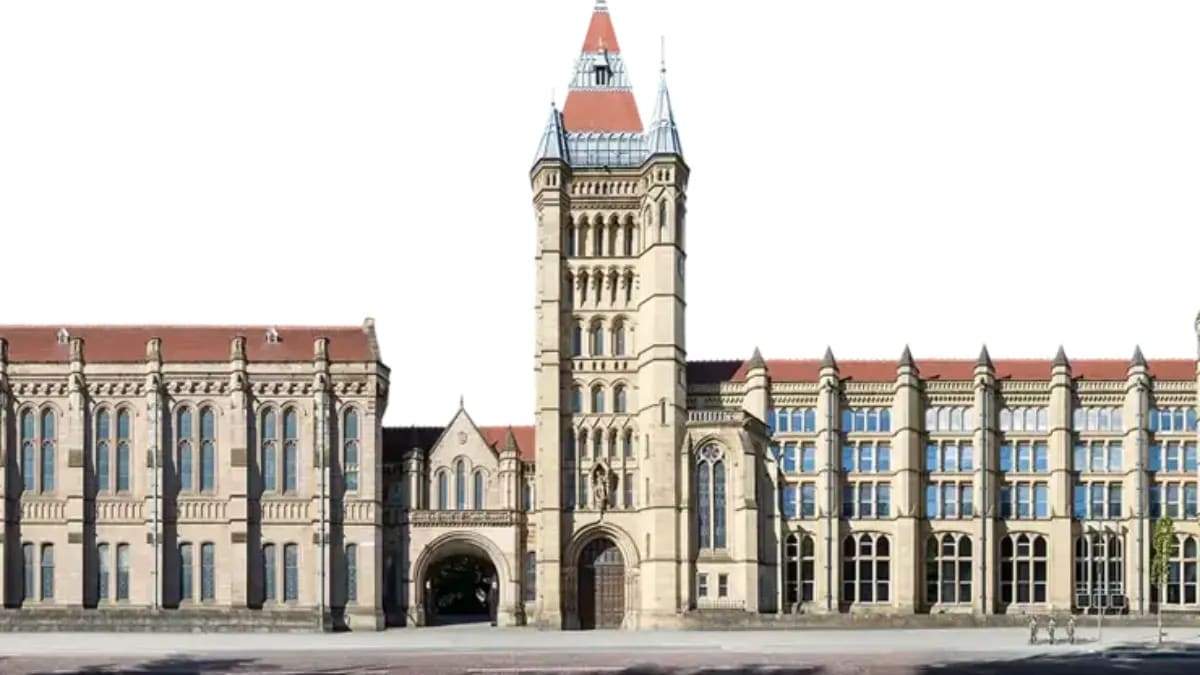

University of Manchester to Establish Bengaluru Centre, Boosting India-UK Academic Collaboration
The esteemed University of Manchester (UoM), a globally recognised institution from the United Kingdom, is poised to significantly expand its international presence by establishing a new academic centre in Bengaluru, India's dynamic technology capital. This strategic initiative underscores a growing trend among premier global universities to deepen engagement with India, driven by its vast talent pool, burgeoning economy, and recent policy reforms facilitating foreign educational institutions.
While specific operational details and the precise launch timeline for the Bengaluru centre are yet to be officially unveiled, the choice of location strongly indicates a focus on disciplines critical to the city's innovation ecosystem. These are anticipated to include:
- Advanced Research: Potentially in fields such as Artificial Intelligence, Data Science, Machine Learning, and sustainable technologies.
- Postgraduate Programmes: Offering specialised master's and doctoral opportunities aligned with industry demands.
- Executive Education: Tailored programmes for corporate leaders and professionals in India's rapidly evolving sectors.
- Industry Partnerships: Collaborations with Indian tech giants and startups to drive applied research and innovation.
- Faculty and Student Exchange: Facilitating cross-cultural academic experiences and joint research projects.
Strategic Rationale: Why Bengaluru, Why India?
The decision to establish a physical presence in Bengaluru is rooted in several compelling strategic considerations:
- India's Demographic Dividend: With the world's largest youth population, India presents an unparalleled demographic dividend and a massive aspirational cohort seeking world-class higher education.
- Bengaluru as a Global Tech Hub: Often dubbed India's 'Silicon Valley', Bengaluru is a magnet for technological innovation, boasting a robust R&D infrastructure, a vibrant startup ecosystem, and a concentration of skilled professionals.
- National Education Policy (NEP) 2020: India's landmark NEP 2020 has significantly liberalised the higher education landscape, creating a conducive environment for top-ranked global universities to establish campuses or centres, either independently or through collaborations. This policy shift has made India an increasingly attractive destination for international academic expansion.
- UoM's Internationalisation Strategy: This move aligns seamlessly with the University of Manchester's broader vision to enhance its global reputation, diversify its revenue streams, and foster deeper cross-cultural academic and research collaborations.
Historical Context and Evolving UK-India Academic Ties
The relationship between the United Kingdom and India in the realm of education and research is long-standing and robust. Annually, tens of thousands of Indian students choose UK universities for their higher studies, contributing significantly to the UK's academic and economic landscape. While numerous UK universities maintain active partnerships with Indian institutions, the establishment of a dedicated physical centre by a university of UoM's stature signifies a deeper, more committed engagement.
"This initiative by the University of Manchester reflects a broader trend of top-tier global institutions recognising India not just as a source of students, but as a crucial partner in research, innovation, and talent development," noted an education policy analyst, highlighting the evolving dynamics of international academic collaboration.
This development follows similar explorations and establishments by other foreign universities, such as Australia's Deakin University and University of Wollongong, which have set up campuses in India's GIFT City. UoM's entry into Bengaluru further solidifies India's position as a burgeoning global hub for education and research, attracting significant foreign academic investment and expertise.
What This Means for Citizens and the Sector
Impact on Indian Students and Researchers
- Enhanced Access to Global Standards: Indian students and researchers will gain direct access to the University of Manchester's renowned academic rigor, cutting-edge research methodologies, and extensive global network without the immediate necessity of international relocation.
- Skill Alignment with Industry: Programmes offered are expected to be highly industry-aligned, specifically addressing critical skill gaps in emerging technologies and high-growth sectors within India.
- Collaborative Research Opportunities: The centre will serve as a catalyst for joint research projects, fostering innovation, knowledge transfer, and the development of solutions pertinent to both local and global challenges.
Impact on Bengaluru's Innovation Ecosystem
- Global Collaboration Hub: The presence of a leading UK university will further cement Bengaluru's status as a premier global hub for cutting-edge research and development, attracting more international talent and investment.
- Talent Retention and Development: It offers local opportunities for India's top talent to engage with international academic standards and research, potentially mitigating brain drain.
- Economic Stimulus: The establishment and operation of the centre will generate high-value employment opportunities and stimulate local economic activity.
Broader UK-India Bilateral Relations
This academic venture is a tangible manifestation of the deepening educational and research cooperation outlined in the UK-India '2030 Roadmap'. It enhances the UK's soft power influence in India through academic excellence and strengthens bilateral ties beyond traditional trade and diplomacy.
Challenges and Opportunities Ahead
While the prospects are promising, the University of Manchester will navigate a landscape of both opportunities and challenges. These include:
- Regulatory Compliance: Adhering to India's evolving regulatory framework for foreign universities, which, while more liberal, still requires careful navigation.
- Competitive Landscape: Operating within a highly competitive educational market, alongside established domestic institutions and other international players.
- Talent Acquisition: Attracting and retaining top-tier faculty and administrative staff locally, ensuring the centre maintains UoM's global standards.
- Sustainable Funding Models: Developing robust and sustainable financial models to ensure the long-term viability and growth of the centre.
The University of Manchester's planned Bengaluru centre marks a pivotal moment in India's journey to become a global education and research powerhouse. It signifies a mutual recognition of strengths – India's vast demographic dividend and innovation drive, coupled with UoM's academic excellence and research prowess – promising a future of enhanced collaboration and shared progress in the global knowledge economy.
Frequently Asked Questions
Aniket More
Senior EditorAniket More is an editorial writer and journalist for Digital Bharat Times, specializing in verified news reporting, regional developments, and national policy analysis.














Comments (0)
Leave a Comment
No comments yet. Be the first to comment!