
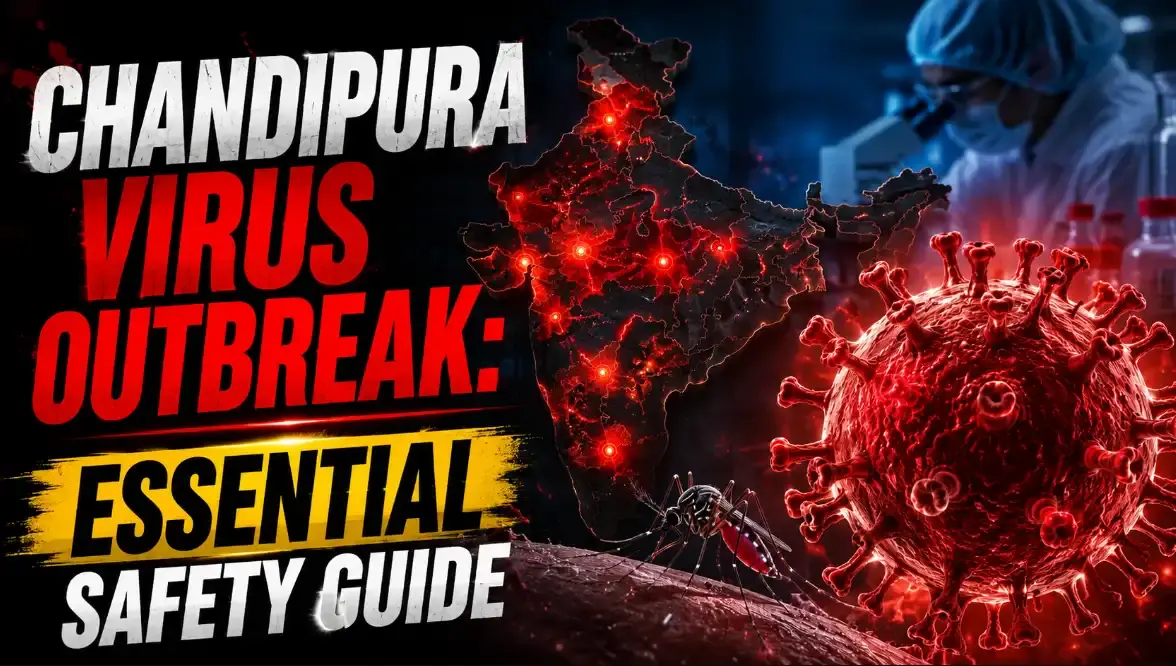

The Chandipura Virus (CHPV) is a high-fatality vector-borne pathogen transmitted by sandflies that causes Acute Encephalitis Syndrome (AES) in children under 15. Without an available vaccine, early hospitalization and sandfly vector control remain the primary safeguards.
- Chandipura Virus (CHPV) primarily affects children under 15 years through infected sandfly bites.
- The virus progresses rapidly within 24 to 48 hours, causing fever, seizures, and acute encephalitis.
- It carries a high case fatality rate between 56% and 75%.
- Vector control, sealing wall cracks, protective clothing, and immediate ICU admission save lives.
What Is Chandipura Virus (CHPV) and Why Is It Dangerous?
The Chandipura Virus (CHPV) is a severe vector-borne pathogen belonging to the Rhabdoviridae family and Vesiculovirus genus. Primarily targeting children under 15 years of age, CHPV causes rapid inflammation of brain tissue, leading to Acute Encephalitis Syndrome (AES). Health experts warn that the virus carries an extraordinarily high case fatality rate (CFR) ranging between 56% and 75%, making early medical intervention crucial during seasonal outbreaks.
Origin and History of the Virus
The virus was first identified in 1965 in Chandipura village, Nagpur district, Maharashtra, by scientists from the National Institute of Virology (NIV), Pune, during an investigation into dengue-like illnesses. Over the decades, sporadic localized outbreaks have occurred across western, central, and southern regions of India—most notably in Gujarat, Andhra Pradesh, Rajasthan, and Madhya Pradesh during the monsoon season.
How Does Chandipura Virus Spread?
Unlike contagious respiratory viruses, CHPV does not spread directly from person to person. Instead, transmission occurs through insect vectors:
- Sandflies (Phlebotomus species): The primary vector responsible for transmitting the virus to humans. Sandflies breed in dark, humid environments, mud wall cracks, and cattle sheds.
- Secondary Vectors: Researchers are investigating whether mosquitoes, ticks, and mites play a supplementary role in propagating the virus during humid weather.
Recognizing Key Symptoms in Children
Symptoms of Chandipura virus infection escalate rapidly, often progressing from mild febrile illness to severe neurological distress within 24 to 48 hours:
- Sudden High-Grade Fever: Abrupt onset of intense fever.
- Gastrointestinal Distress: Persistent vomiting, diarrhea, and severe abdominal pain.
- Neurological Signs: Uncontrollable seizures (convulsions), severe headache, altered consciousness, and sudden lethargy.
- Loss of Consciousness / Coma: Severe brain swelling can lead to rapid loss of consciousness and coma if medical care is delayed.
Treatment Protocol and Vaccine Status
Currently, there is no specific antiviral medicine or approved vaccine available for the Chandipura virus. Treatment relies entirely on symptomatic management and emergency ICU supportive care:
- Immediate admission to pediatric ICUs for airway management and mechanical ventilation.
- Administration of anti-convulsant drugs to control brain seizures.
- Intravenous fluid maintenance to stabilize electrolyte levels and manage intracranial pressure.
Key Prevention and Vector Control Measures
Vector control and community hygiene remain the most effective defenses against the spread of CHPV:
- Insecticidal Spraying: Regularly apply malathion or insecticides around mud houses, dark corners, and cattle shelters.
- Seal Wall Cracks: Fill cracks in mud and clay walls with plaster or lime to eliminate sandfly breeding sites.
- Protective Clothing: Dress children in full-sleeved clothing and pants, especially during dawn and dusk hours.
- Insect Repellents & Nets: Use insect repellent creams and fine-mesh mosquito nets over sleeping areas.
- Immediate Hospitalization: If a child exhibits sudden high fever accompanied by vomiting or drowsiness, seek emergency care at the nearest government hospital without delay.
For more breaking health updates and expert medical guides, visit our latest health news portal.
Frequently Asked Questions
Admin
adminPassionate journalist and digital news editor committed to delivering accurate, timely, and fact-checked news.
Related Articles



Latest Articles
Chinese Rocket Failure: Long March 7A Explodes 85...
Aug 13, 2026
Millions Across UK and Europe Witness Dramatic Sol...
Aug 13, 2026
Colombia Earthquake: 7.4-Magnitude Quake Kills 132
Aug 11, 2026
Jharkhand Protest: Police Use Water Cannons in Ran...
Aug 10, 2026
Comments (0)
Leave a Comment
No comments yet. Be the first to comment!