
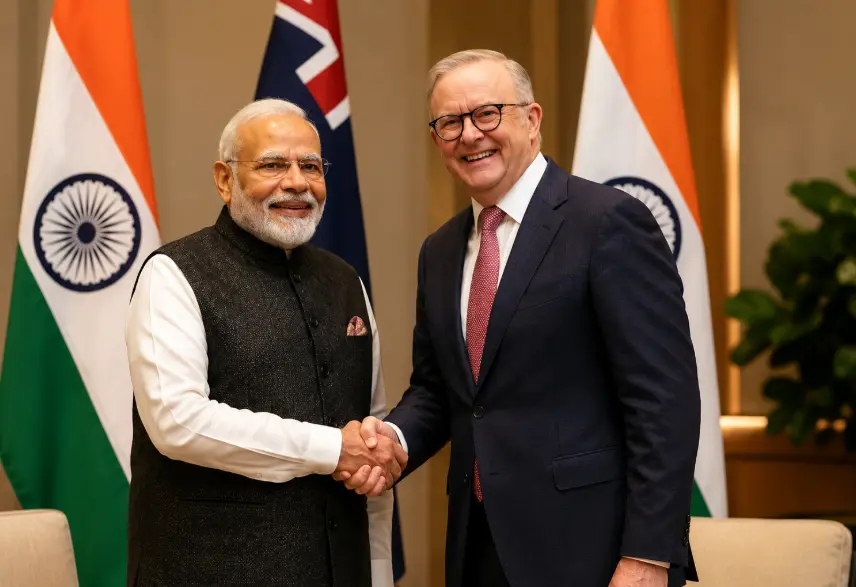

Uranium Deal Headlines Modi-Albanese Summit
India and Australia signed a landmark agreement on Thursday to facilitate the export of Australian uranium for India's civilian nuclear energy programme, during the third India-Australia Annual Summit held in Melbourne. The agreement was signed as Prime Minister Narendra Modi met his Australian counterpart, Anthony Albanese, during the second leg of Modi's three-nation visit, which began in Indonesia.
"In the field of nuclear energy, we have reached an important agreement today. This will open the way for uranium supplies from Australia to India and give fresh momentum to our clean energy goals," Modi said at a joint press conference following the talks.
What the Agreement Covers
Albanese confirmed the signing of what he described as an administrative arrangement to export uranium to India for peaceful purposes, operating under the countries' 2015 civil nuclear cooperation agreement. A joint statement said the arrangement allows long-term uranium exports "exclusively for peaceful purposes."
India has been seeking greater access to Australian uranium reserves, the largest in the world, to help meet its target of reaching 100 gigawatts of nuclear energy capacity by 2047. India and Australia first entered a nuclear cooperation agreement in 2014, though Australia had until now supplied only limited quantities of uranium to India due to non-proliferation concerns.
Trade, Defence and Education Ties Expanded
Beyond the uranium deal, the two countries agreed to fast-track negotiations on a long-pending Comprehensive Economic Cooperation Agreement, building on the Economic Cooperation and Trade Agreement signed in 2022. They also agreed to expedite talks on a bilateral investment treaty.
On the defence front, India and Australia agreed to allow greater aircraft deployment access in each other's territories and to increase information-sharing on terrorist threats, terror financing, and online radicalisation. The countries will also build a temporary space tracking terminal on Australia's Cocos Keeling Islands in the Indian Ocean to support Indian space missions.
In education, Australia's Flinders University received a letter of intent from India's University Grants Commission to open a campus in Bengaluru, while Victoria University will open a campus in Gurugram, taking the total number of Australian universities with a presence in India to eight.
Modi Highlights Clean Energy and Solar Push
Modi also announced the establishment of a rooftop solar training academy in Gujarat, supported by Australia, to train youth and women in the renewable energy sector under India's PM Surya Ghar Yojana scheme. He described the broader partnership as one focused on shaping both the present and future of India-Australia ties.
Regional Context
The strengthened defence cooperation comes two days after China tested a nuclear-capable missile in the Pacific, an act Albanese had earlier described as "provocative" and destabilising for the region. Modi's Melbourne visit followed stops in Indonesia as part of his three-nation tour, and he was given a reception by the Indian diaspora upon arrival.
Frequently Asked Questions
Ketan
adminPassionate journalist and digital news editor committed to delivering accurate, timely, and fact-checked news.
Related Articles



Latest Articles

Trump, Tech Giants Ink Voluntary AI Pact Amid Glob...
Oct 01, 2026
Khanna Targets 'Recursive' AI with Landmark Safety...
Oct 01, 2026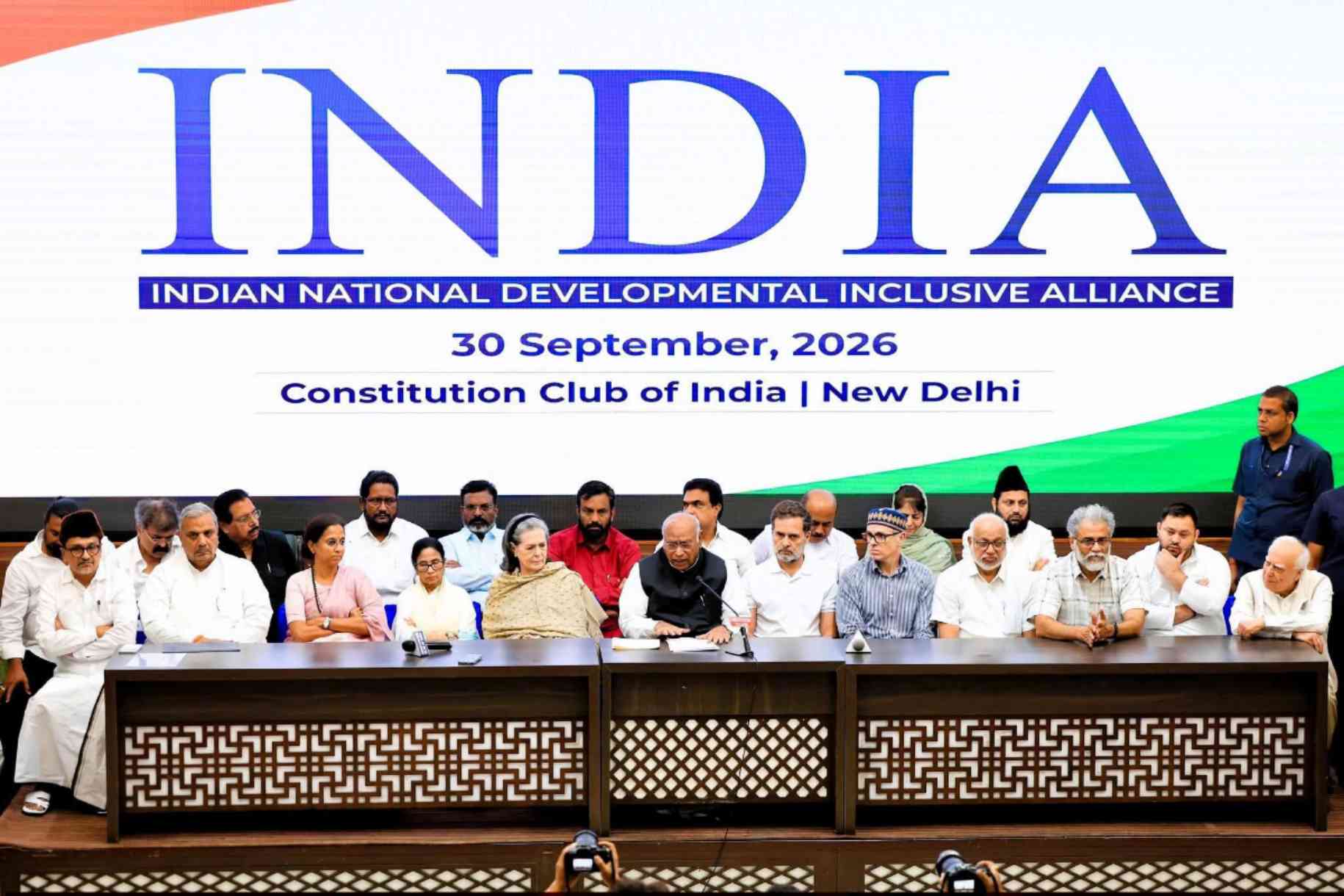
Election Commission–SIR Row: INDIA Bloc Announces...
Oct 01, 2026
WHO Unveils Critical Global Guidance to Combat Hea...
Oct 01, 2026
Comments (0)
Leave a Comment
No comments yet. Be the first to comment!