
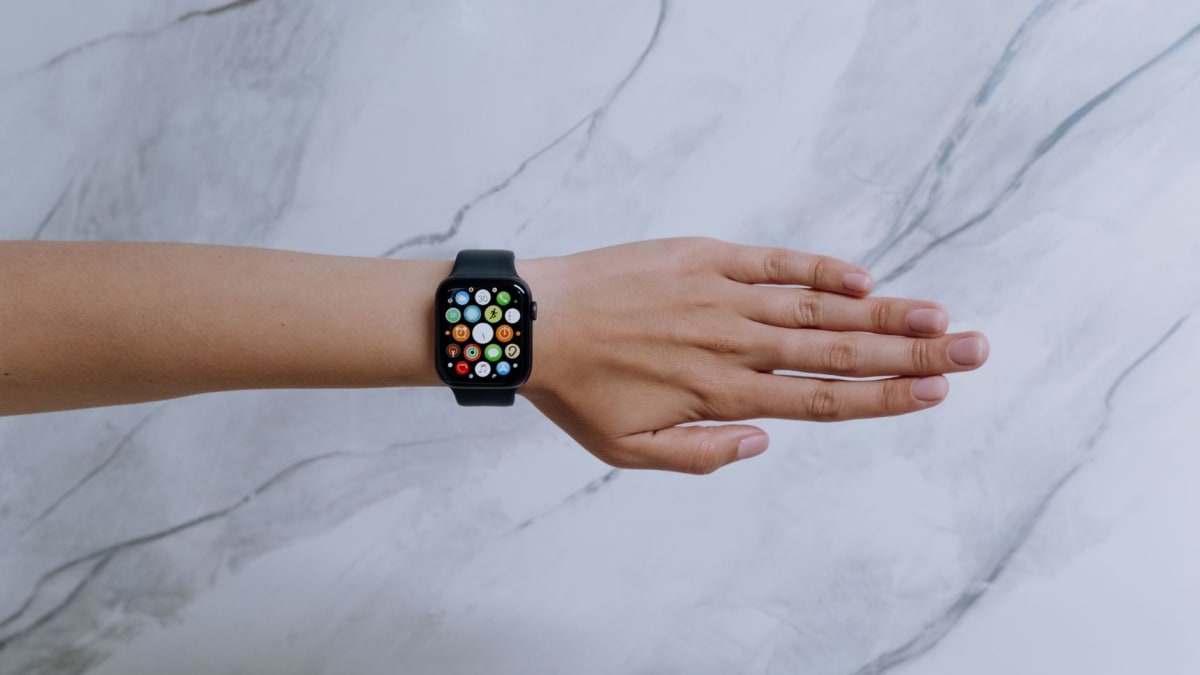
India's Wearables Market: A Strategic Shift Towards Premiumization
The Indian wearable device market is at a pivotal juncture, experiencing a strategic shift that prioritizes value over sheer volume. According to IDC's India Monthly Wearable Device Tracker, the second quarter of 2026 saw a 7.4 percent year-over-year decline in wearable shipments, totaling 24.7 million units. This marks an acceleration of the trend observed in Q1 2026, which saw a 1.1 percent decline. The reduction in unit sales is attributed to fewer product launches and a deliberate focus by manufacturers on higher-priced devices.
However, this contraction in volume tells only half the story. The average selling price (ASP) for wearables surged by a record 8.8 percent to $21.0, a significant reversal from the 1.1 percent decline in Q1 2026. This increase in ASP, despite lower shipments, led to a 0.7 percent growth in the overall wearable market value, underscoring the powerful impact of premiumization. For the first half of 2026, India shipped 49.4 million wearable devices, a 4.4 percent decrease, while the ASP climbed 3.9 percent to $19.5, solidifying the market's new direction.
Smartwatches: Trading Up for Advanced Features
The smartwatch segment, a key indicator of this premium shift, recorded its tenth consecutive quarter of shipment decline, with volumes falling 4 percent to 6.38 million units. Yet, smartwatches managed to increase their share of the total wearable market from 24.9 percent to 25.8 percent, demonstrating their growing importance within the ecosystem.
The most striking development was the pricing. Smartwatch ASP experienced a remarkable 23.9 percent surge, rising from $22.0 to $27.3. This substantial increase signals a clear trend: consumers are increasingly willing to invest in devices offering superior displays, comprehensive health monitoring, advanced fitness features, robust build quality, and seamless ecosystem integration.
Advanced smartwatches, in particular, showcased exceptional growth, with shipments soaring by 94.8 percent. This nearly doubled their market share from 2.2 percent to 4.5 percent. Leading this high-growth segment were global giants like Apple, Samsung, and Garmin. Garmin, in particular, recorded an astounding 234.2 percent shipment increase, benefiting from a burgeoning consumer interest in running, fitness, and sporting events across India.
The premium trend is pervasive across various price bands. Smartwatches priced below $50 saw an 8.3 percent decline, reducing their market share from 95.9 percent to 91.6 percent. Conversely, the $50-$100 segment expanded its share significantly, from 1.9 percent to 4.3 percent, indicating a clear upward migration in consumer spending.
Earwear: Elevating the Audio Experience with Premium Features
Earwear continues to be India's largest wearable category, accounting for 18.05 million units in Q2 2026, despite a 9.1 percent year-over-year decline in shipments. Similar to smartwatches, the segment's ASP increased by 2.2 percent to $17.8, suggesting that premium audio features are enabling brands to generate greater value even with weaker volumes.
True wireless stereo (TWS) devices maintained their dominance with a 71.1 percent share, though TWS shipments also dropped by 9.3 percent. Neckbands faced considerably greater pressure, with shipments plunging 22.9 percent, indicating a significant shift in consumer preference within the audio segment.
A strong growth opportunity emerged in over-the-ear devices, which saw shipments jump by 31.5 percent to 2.0 million units. This growth is largely supported by the rise of hybrid working models, the expanding gaming industry, entertainment consumption, and a general consumer preference for premium audio experiences. Leading brands in this category include boAt, Zebronics, JBL, and Noise. Apple also demonstrated remarkable growth with a 448.6 percent year-over-year increase, highlighting the expanding market for premium lifestyle audio products.
boAt Strengthens Leadership Amidst Market Evolution
Imagine Marketing's boAt continued to strengthen its leadership position in India's contracting wearable market. The company's total market share increased from 28.0 percent in Q2 2025 to 29.2 percent in Q2 2026, even as its overall shipments declined by 3.4 percent.
boAt's dominance is particularly evident in the audio segment, where it commanded 34.7 percent of India's earwear market, leveraging its strong presence across TWS, tethered, and over-the-ear products. The company also improved its standing in the smartwatch category, with its share increasing from 13.7 percent to 15.2 percent, driven by a 6 percent year-over-year growth in shipments, securing its position as the second-largest player in this segment.
The overall top five wearable companies in India during Q2 2026 were boAt, OPPO (including OPPO, OnePlus, and Realme), Noise, GoBoult, and Fire-Boltt.
Emerging Categories: Smart Glasses and Wristbands on the Rise
While smartwatches and earwear continue to dominate, smaller wearable categories are showing promising signs of expansion. Wristband shipments more than doubled, rising by an impressive 109.2 percent to 184,400 units, with Pebble and Samsung leading the charge.
Smart glasses shipments also saw significant growth, increasing by 38.3 percent to 69,400 units, led by Meta and Fire-Boltt. Although current volumes are modest compared to established categories, smart glasses are poised to become an increasingly important wearable segment as advancements in AI assistants, cameras, and hands-free computing capabilities continue to improve.
In contrast, smart rings moved in the opposite direction, with shipments declining by 23.5 percent to 57,100 units. This highlights the ongoing challenge of translating interest in health-focused smart rings into widespread mass-market demand.
Offline Retail Gains Ground as Consumers Seek Experience
An important shift is also occurring in distribution channels. Offline wearable shipments increased by 2.1 percent, boosting the channel's market share to 43.8 percent, up from approximately 39.8 percent a year earlier. Concurrently, online shipments plunged by 13.7 percent, reducing online's share to 56.2 percent.
This divergence was particularly pronounced in the earwear segment, where online shipments fell by 16.2 percent while offline shipments grew by 2.7 percent. Similarly, online smartwatch volumes declined by 7.3 percent, whereas offline smartwatch shipments remained broadly stable. This trend suggests that physical retail is becoming increasingly crucial as wearable products move towards higher price points, where consumers often prefer the opportunity to see, test, and compare devices before making a purchase.
The AI-Powered Future of Earwear: Intelligent Companions
IDC anticipates a transformative evolution for earwear, moving beyond its traditional role as a mere audio accessory. The future of earwear will increasingly combine premium sound, active noise cancellation, low latency, extended battery life, and enhanced comfort with advanced features such as AI, biometric sensing, and health-monitoring capabilities.
Vikas Sharma, Senior Market Analyst for Smart Wearable Devices at IDC India, foresees Open Wireless Solution (OWS) and Open Ear Solution (OES) products gaining traction as consumers prioritize comfort and ear health. Emerging technologies, including camera-enabled earbuds, real-time health monitoring, and context-aware AI, are expected to eventually transform wireless earbuds into intelligent, everyday computing companions. Such innovation will not only enhance user experience but also help manufacturers justify higher prices and extend the value opportunity in a market where traditional TWS replacement cycles are maturing.
The Q2 2026 figures clearly indicate a structural change in India's wearable technology market. The era of growth driven almost exclusively by inexpensive smartwatches and TWS earbuds is giving way to a new phase. Premium devices, AI-enabled audio, advanced health and fitness features, nascent smart glasses, and a stronger emphasis on offline distribution are emerging as the industry's next powerful growth engines, promising a more valuable and sophisticated wearable landscape.
Frequently Asked Questions
Related Articles


Latest Articles

Trump, Tech Giants Ink Voluntary AI Pact Amid Glob...
Oct 01, 2026
Khanna Targets 'Recursive' AI with Landmark Safety...
Oct 01, 2026
Election Commission–SIR Row: INDIA Bloc Announces...
Oct 01, 2026
WHO Unveils Critical Global Guidance to Combat Hea...
Oct 01, 2026
Comments (0)
Leave a Comment
No comments yet. Be the first to comment!